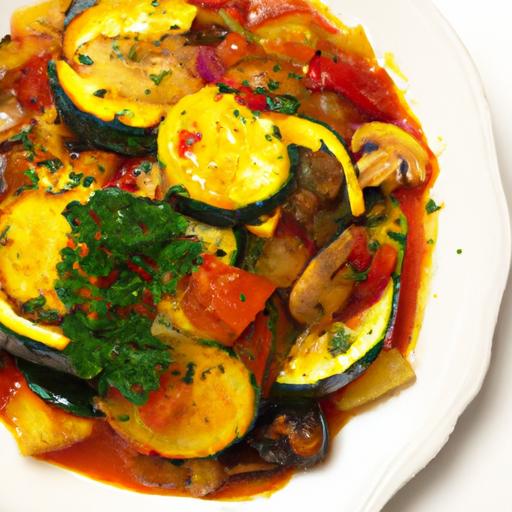
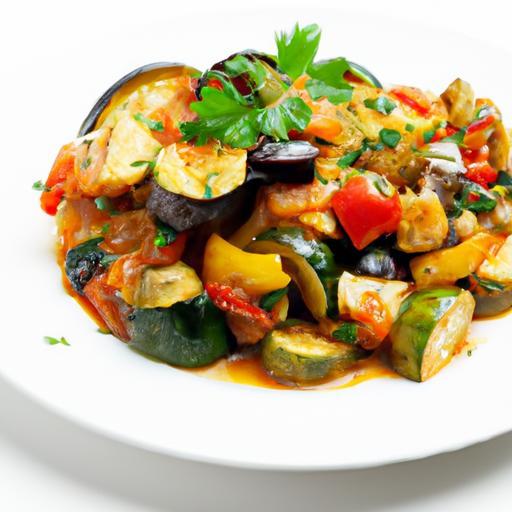

There’s something irresistibly charming about a dish that captures the heart of french countryside living in every bite-and ratatouille,with its vibrant medley of fresh vegetables and fragrant herbs,does just that. More then just a colorful side, this timeless recipe is a celebration of simplicity, seasonality, and rustic comfort. Whether you’re a seasoned home cook or a curious food lover, our flavorful guide to classic French ratatouille will walk you through the art of creating this harmonious blend of zucchinis, eggplants, bell peppers, and tomatoes. Get ready to immerse yourself in the rich traditions of Provençal cuisine and discover why ratatouille remains a beloved staple on tables around the world.
Ratatouille recipe: a flavorful guide to classic French comfort begins with selecting the freshest, ripest vegetables to capture the essence of Provence’s sunny gardens. This rustic vegetable stew is more than just a medley of eggplant, zucchini, and tomatoes-it’s a harmonious celebration of flavors and textures, where the quality of each ingredient shines through every bite. Whether you’re new to French cuisine or a seasoned cook craving sophistication in simplicity, mastering ratatouille is a rewarding culinary adventure.
Prep and Cook Time
- Planning: 30 minutes
- Cooking: 1 hour 15 minutes
- Total: 1 hour 45 minutes
Yield
- Serves 6 generously
Difficulty Level
- Medium
Ingredients
- 2 medium eggplants, sliced into 1/4-inch rounds
- 3 medium zucchinis, sliced into 1/4-inch rounds
- 4 ripe tomatoes, peeled and quartered
- 1 large red bell pepper, thinly sliced
- 1 large yellow bell pepper, thinly sliced
- 1 large onion, finely chopped
- 4 cloves garlic, minced
- 3 tbsp olive oil, plus extra for drizzling
- 2 tsp fresh thyme leaves
- 2 tsp fresh rosemary, chopped
- 1 bay leaf
- Salt and freshly ground black pepper, to taste
- Fresh basil leaves, for garnish
- 1 tbsp tomato paste
Instructions
- Prepare the Base: Heat 2 tablespoons of olive oil in a large sauté pan over medium heat. Add the finely chopped onion and minced garlic, sauté until translucent and fragrant, about 5 minutes. Stir in the tomato paste and cook for another 2 minutes to deepen the flavour.
- Create a Tomato Sauce: Add the peeled, quartered tomatoes to the pan along with thyme, rosemary, bay leaf, salt, and pepper. Gently simmer for 20 minutes, stirring occasionally until the sauce thickens. Remove bay leaf and keep warm.
- Cook Vegetables Separately: In another pan, heat 1 tablespoon olive oil. Lightly salt the eggplant rounds and let them sweat for 15 minutes to reduce bitterness; pat dry with paper towels. Sauté eggplants in two batches until golden, about 4 minutes per side. Repeat with zucchini and bell peppers separately, cooking until just tender but still vibrant.
- Layer the flavors: In a deep baking dish or Dutch oven, spread a thin layer of the prepared tomato sauce to prevent sticking. Neatly arrange eggplant,zucchini,and bell pepper slices in overlapping circles,alternating colors to create a visual mosaic.
- Finish and Bake: drizzle remaining olive oil over the layered vegetables, season with a pinch more salt, pepper, and scatter fresh thyme on top. Cover with foil and bake in a preheated oven at 375°F (190°C) for about 45 minutes until the vegetables are tender but retain their shape.
- Rest and Serve: Let the ratatouille rest for 10 minutes before serving. garnish with fresh basil leaves for a luminous, aromatic finish.
Tips for Success
- Ingredient Freshness: Choosing plump, firm eggplants without blemishes ensures the best texture. The zucchinis should be slightly small for rare seeds and sweetness. Opt for fully ripened tomatoes to achieve a naturally sweet and tangy sauce.
- Texture mastery: Cooking vegetables separately maintains their integrity and prevents a mushy final result, highlighting each vegetable’s individual flavor and bite.
- Make Ahead: Ratatouille benefits from resting overnight, allowing the flavors to meld beautifully. Reheat gently to retain texture.
- Variations: Incorporate other garden vegetables like yellow squash or add a splash of balsamic vinegar for a subtle acidity.
Serving Suggestions and Pairing Ideas
Serve ratatouille as a heartwarming vegetarian main or as a colorful side dish to grilled meats or fish. spoon over creamy polenta or crusty baguette slices for a rustic French tableau. A drizzle of high-quality extra virgin olive oil and a sprinkle of crumbled goat cheese or shaved Parmesan adds extra decadence.
For drinks, pair with a light-bodied red like a French Pinot Noir or a chilled crisp Rosé, balancing the dish’s earthy and herbaceous notes.

Nutritional Information
| Nutrient | Per Serving |
|---|---|
| Calories | 140 kcal |
| Protein | 3g |
| Carbohydrates | 18g |
| Fat | 7g |
Discover more vegetable-forward French dishes in our French vegetable recipes collection.
For deeper insights into customary Provencal herbs, visit Epicurious’ fresh herbs guide.
Q&A
Q&A: Ratatouille Recipe – A Flavorful Guide to Classic French Comfort
Q1: What exactly is ratatouille?
A1: Ratatouille is a traditional french Provençal stewed vegetable dish, brimming with vibrant summer produce like eggplants, zucchinis, bell peppers, tomatoes, onions, and garlic. it’s a celebration of simple ingredients transformed into a hearty, flavorful comfort food that sings with the essence of the Mediterranean.
Q2: Where does ratatouille come from?
A2: Hailing from the sunny region of Provence in southeastern France, ratatouille has humble roots as a farmers’ dish meant to use up seasonal vegetables. Over time, it evolved into a beloved classic, symbolizing rustic French cooking that emphasizes freshness and rustic charm.
Q3: What makes a ratatouille recipe “classic”?
A3: A classic ratatouille recipe balances the fresh,distinct flavors of each vegetable while allowing them to meld slowly through gentle cooking. The key lies in layering ingredients thoughtfully-sautéing onions and garlic first, then adding vegetables gradually, and finishing with herbs like thyme and basil. The result is a harmonious, melt-in-your-mouth dish that is both rustic and refined.
Q4: can ratatouille be served in different ways?
A4: absolutely! Ratatouille is wonderfully versatile. Serve it as a warm side dish alongside grilled meats or fish, spoon it over creamy polenta or rice for a vegetarian main, or even enjoy it cooled with crusty bread. It also makes a brilliant filling for savory tarts or a colorful topping for pasta.
Q5: What tips ensure the best flavor and texture?
A5: Patience is your best friend. Cook vegetables separately or in stages to keep their flavors distinct and textures intact, then combine them for a slow simmer so the ingredients marry beautifully. Use high-quality olive oil, fresh herbs, and ripe tomatoes to amplify the dish’s natural vibrancy. A pinch of sea salt and a splash of good vinegar or lemon juice at the end can brighten the flavors.
Q6: Is ratatouille suitable for special diets?
A6: Yes! Ratatouille is naturally vegan, gluten-free, and low in calories. It’s packed with fiber, antioxidants, and vitamins, making it perfect for anyone seeking a wholesome, plant-based comfort meal.Q7: How long can ratatouille be stored?
A7: Ratatouille keeps well in the refrigerator for up to 4-5 days.Its flavors frequently enough deepen overnight, making leftovers just as delicious, if not more so. It also freezes well,so you can prepare a big batch and enjoy a taste of Provence whenever the craving strikes.
Q8: can I personalize the ratatouille recipe?
A8: Definitely! Feel free to experiment with other veggies like mushrooms or carrots, add a splash of balsamic vinegar for sweetness, or sprinkle with freshly grated Parmesan or vegan cheese for an extra layer of indulgence. Ratatouille invites creativity while honoring its time-tested foundation.
Embrace the soulful simplicity of ratatouille, and let this timeless recipe bring a little piece of French comfort to your kitchen!
Concluding Remarks
As the final serving of this vibrant, vegetable-packed masterpiece finds its place on your plate, you’ll realize that Ratatouille is more than just a dish-it’s a celebration of French countryside charm and culinary simplicity. With its rich layers of flavor and colorful medley of ingredients, this classic comfort food invites you to savor the essence of provence in every bite. Whether you’re a seasoned cook or a kitchen novice, embracing this recipe opens the door to endless creativity and wholesome enjoyment. so next time you crave a taste of tradition wrapped in rustic elegance, remember that Ratatouille is always ready to transport your palate to the heart of France, one simmering spoonful at a time. Bon appétit!