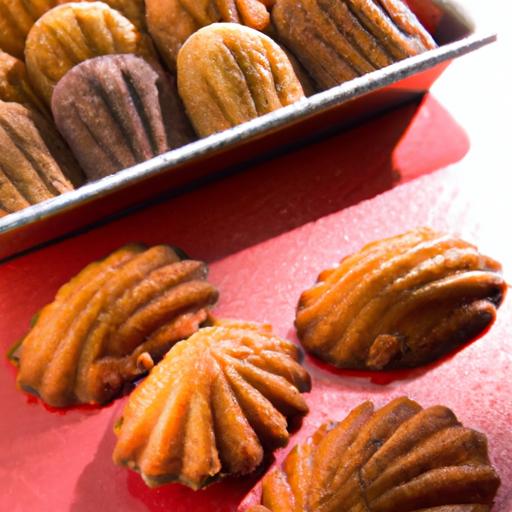
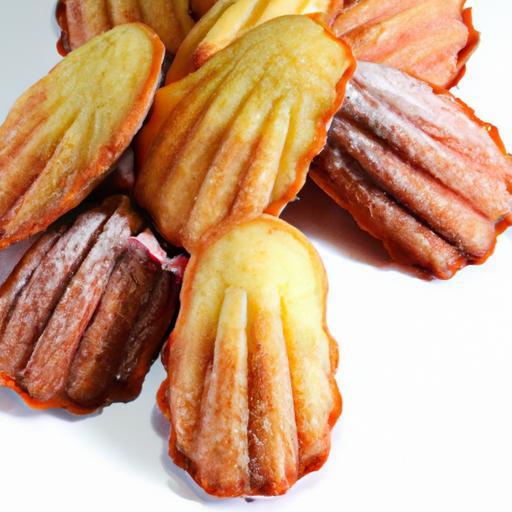

in the world of pastries, few treats carry the graceful elegance and comforting charm quite like the classic French madeleine. These petite, shell-shaped cakes are more than just a tasty indulgence-they are a storied symbol of French culinary heritage, whispering tales of tradition, artistry, and timeless delight with every tender bite. From their golden ridges to their buttery aroma, madeleines embody the delicate balance of simplicity and sophistication that defines French pâtisserie. Join us as we explore the art of crafting these iconic confections, uncovering the secrets behind their delicate texture, subtle flavors, and enduring allure that continues to captivate taste buds across generations.
Timeless Delight: The Art of Classic French madeleines invites you to experience an iconic French pastry that is as elegant as it is indeed tender.these petite, shell-shaped cakes have charmed palates as the 18th century, steeped in tradition and crafted with precision. Originating from the Lorraine region of France, classic madeleines embody both rustic charm and courtly grace, a sensory journey where buttery richness meets the subtle zest of citrus-all wrapped in a perfectly scalloped shell. As a culinary artist,I cherish the ritual of mastering their form and crumb,an art that transforms humble ingredients into a delicate masterpiece worth savoring with your favorite tea or coffee.
Prep and Cook Time
Preparation: 20 minutes
Chilling: 1 hour (for optimal rise)
Baking: 10-12 minutes
Yield
Makes approximately 24 classic French madeleines
difficulty Level
Medium: Requires attention to technique and timing for best results
Ingredients
- 1 cup all-purpose flour, sifted
- ½ cup granulated sugar
- ½ teaspoon baking powder
- 3 large eggs, at room temperature
- ½ cup (1 stick) unsalted butter, melted and cooled
- 1 teaspoon pure vanilla extract
- Zest of 1 lemon (or orange, for variation)
- Pinch of fine sea salt
- butter and flour for greasing the madeleine pan
Instructions
- Prepare the pan: Generously butter and flour your madeleine mold, tapping out excess flour to ensure the shell shapes release beautifully after baking.
- Whisk eggs and sugar: In a large mixing bowl, beat together eggs and sugar using a hand mixer or stand mixer on high speed until the mixture triples in volume and forms a pale, thick ribbon-about 5 minutes. This aeration is crucial for the signature tender crumb.
- Incorporate dry ingredients: Gently fold in the sifted flour, baking powder, and salt in two additions. Use a rubber spatula and fold with care to preserve the airiness of the batter.
- Add flavor and butter: Fold in the lemon zest and vanilla extract. Gradually drizzle in the cooled melted butter, folding gently until just combined. Avoid overmixing to maintain a light texture.
- Chill the batter: Cover the bowl with plastic wrap and refrigerate for at least 1 hour. This chilling rest helps the batter thicken and improves the rise and “bump” that defines authentic madeleines.
- Preheat your oven: Set your oven to 375°F (190°C) and place a rack in the middle position.
- Fill the molds: Spoon the chilled batter into each mold, filling about three-quarters full. avoid overfilling to prevent overflow and to ensure the perfect hump.
- Bake: Bake for 10-12 minutes or until the madeleines are golden around the edges and spring back lightly when touched. Look for the signature hump rising in the center-a sign of successful baking.
- Cool and unmold: Let the madeleines cool in the pan briefly (about 1-2 minutes), then gently release them onto a wire rack to cool fully before serving.
Tips for Success
- Use room temperature eggs: This ensures better emulsification and helps the batter achieve maximum volume.
- Don’t skip chilling: Resting the batter is essential to developing the iconic dome and tender crumb.
- Butter your pans thoroughly: This prevents sticking and defines the fluted shell shape perfectly.
- try browned butter: For a nutty, complex flavor, swap regular melted butter for beurre noisette-just be sure to cool it fully before adding.
- Storage: Store madeleines in an airtight container for up to 3 days or freeze them to retain freshness.
Serving Suggestions
Presented best on a delicate porcelain plate, these petite cakes pair beautifully with a light dusting of powdered sugar or a thin drizzle of dark chocolate. Garnish with a fresh sprig of mint or edible flowers for an elegant touch. Serve alongside a steaming cup of Earl Gray, chamomile, or a robust French press coffee to balance their buttery sweetness. For a seasonal twist, infuse the batter with lavender or orange blossom water, or accompany them with a vibrant berry compote for brunch or afternoon tea.

| Nutritional Info (per Madeleine) | Amount |
|---|---|
| Calories | 95 kcal |
| protein | 1.5 g |
| Carbohydrates | 10 g |
| Fat | 5 g |
For those eager to dive deeper into French pastry mastery, also explore our guide on perfect French financiers. To understand the chemical magic behind rising cakes, visit The Science of Cooking for insightful resources.
Q&A
Q&A: Timeless Delight – The Art of Classic French Madeleines
Q1: What exactly are madeleines, and why are they considered a classic French delicacy?
A1: Madeleines are petite, shell-shaped sponge cakes that originate from the Lorraine region of France. Their delicate texture, buttery aroma, and iconic scalloped form have made them a beloved symbol of French pâtisserie.Often enjoyed with tea or coffee, madeleines embody the simplicity and elegance of traditional French baking-timeless treats that evoke a sense of nostalgia and refined indulgence.
Q2: What makes the texture of classic madeleines so distinctive?
A2: The magic lies in their airy crumb and slight crispness on the edges,achieved through a precise balance of ingredients and technique.The batter is typically light and egg-enriched, and a key secret is frequently enough resting the batter before baking, which helps develop an ethereal softness inside while the exterior gains a gentle golden crust. The result? A melt-in-the-mouth experience that’s both tender and subtly springy.
Q3: How do classic madeleines differ from other small cakes or cookies?
A3: Unlike denser cookies or buttery shortbreads, madeleines are sponge-like with an almost soufflé-like lift, thanks to whipped eggs and gentle folding techniques.Their signature shell shape, created by specialized pans, sets them apart aesthetically. Flavor-wise,they are typically vanilla or lemon scented-elegant undertones that complement rather than overpower,unlike richer or heavily spiced confections.
Q4: What is the cultural significance of madeleines in French literature and history?
A4: Madeleines hold a special place in French cultural memory, famously immortalized by Marcel Proust in In search of Lost Time. The narrator’s sensory revival upon tasting a madeleine dipped in tea sparks a flood of childhood memories-turning this humble cake into a poetic symbol of nostalgia and the intimate connection between taste and memory.
Q5: Are there any essential tips for baking perfect madeleines at home?
A5: Absolutely! First, invest in a quality madeleine pan to get that classic scalloped shape.Butter your molds generously and refrigerate the batter for at least an hour to promote that desirable “hump” in the cake. Use fresh eggs and sift your dry ingredients for a light batter. Bake in a preheated oven at moderate heat to achieve the perfect golden edges without overbaking. Lastly, savor them fresh-they’re at their peak tenderness shortly after baking.
Q6: Can classic madeleines be adapted with modern flavors or ingredients?
A6: While the essence of a classic madeleine lies in its simplicity,modern interpretations abound! Chefs and home bakers experiment with lavender,orange blossom,matcha,or even dipped in chocolate. However, the key is to preserve the delicate crumb and subtle sweetness that define the madeleine’s character-innovations should enhance, not overshadow, this timeless delight.
Q7: Why do madeleines remain popular worldwide, beyond France?
A7: Their worldwide appeal stems from a perfect trifecta: simplicity, elegance, and emotional resonance. Madeleines are easy to enjoy, visually charming, and carry cultural stories that invite curiosity. They fit effortlessly into teatime or dessert menus globally, bridging French tradition with contemporary culinary recognition, ensuring their place in hearts and kitchens worldwide.
The Way Forward
As the golden edges of a classic French madeleine yield to a tender, buttery crumb, we’re reminded that some culinary treasures transcend time and trend. These petite cakes,simple in ingredients yet profound in history,invite us not only to savor their delicate flavors but also to partake in a ritual that has enchanted palates for centuries. Embracing the art of the madeleine is to celebrate patience, precision, and the joy found in small, flavorful moments. Whether enjoyed with a quiet tea or shared among friends, the timeless delight of this humble cake continues to inspire both home bakers and gourmands alike-proving that sometimes, the sweetest pleasures realy are the classics.