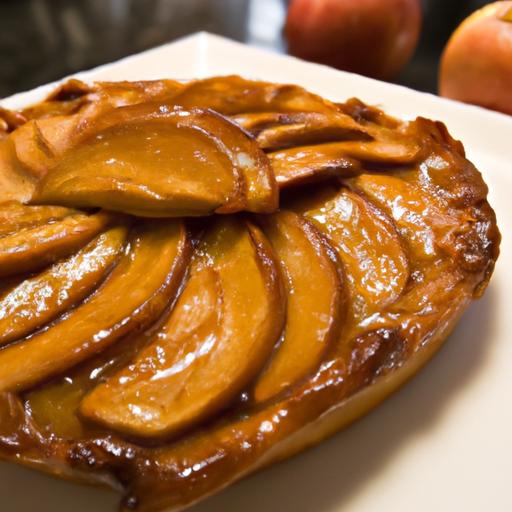
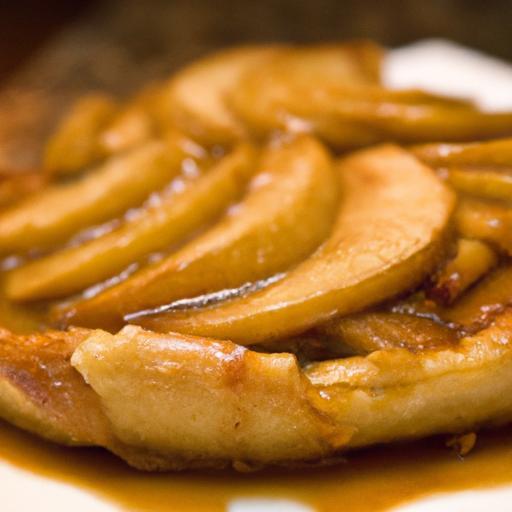

There’s something magically irresistible about a Tarte Tatin-a dessert that masterfully marries simplicity with sophistication through its gleaming, caramelized apples and buttery, flaky crust. Born from a happy accident in a quaint French kitchen, this upside-down apple tart has transcended its humble origins to become a timeless symbol of culinary artistry. Behind its deceptively simple appearance lies a delicate balance of technique and timing,were perfectly caramelized apples cloak a tender pastry in a golden,glossy embrace. In this article, we’ll explore the secrets and stories behind the Tarte Tatin, unlocking the art of achieving that perfect caramelization that transforms humble apples into a symphony of sweet, buttery delight. Weather you’re a seasoned baker or a curious foodie, prepare to discover how this classic tart captivates both the eyes and the palate-one luscious slice at a time.
tarte Tatin: The Art of Perfectly Caramelized Apple Tart
Tarte Tatin: the art of perfectly caramelized apple tart is a timeless French classic that marries tender apples with a luscious,amber-hued caramel and a crisp,buttery crust.This exquisite dessert was born out of a serendipitous kitchen accident in the late 19th century, resulting in an irresistible upside-down tart that has as tantalized palates worldwide. Each bite embodies the magic of caramelization, the balance of sweetness with subtle tartness, and the artistry of rustic elegance.
The History and Origins Behind Tarte Tatin
Legend attributes the creation of this dessert to the Tatin sisters, Stéphanie and Caroline, who ran a small hotel in Lamotte-Beuvron, France. One busy day, Stéphanie accidentally left apples cooking too long in butter and sugar. In a swift effort to save the dish, she covered the caramelized apples with pastry and baked it all upside down. The result was a revelation: a beautifully caramelized apple tart that swiftly became a signature dish. This humble, yet divine tart remains a symbol of French ingenuity and the joy found in happy accidents.
With its rustic charm and deep caramel flavors, the dish invites home cooks and professional chefs alike to master the balance between fruit, sweetness, and texture-a hallmark of superior patisserie.
Choosing the Ideal Apples for Optimal caramelization
Not all apples where created equal when it comes to crafting this dessert. The perfect apple must hold its shape under heat and develop a rich, complex sweetness during caramelization. Varieties like Golden Delicious, Granny Smith, and Pink Lady are stellar choices. Golden Delicious offers natural sweetness and a tender bite, while Granny Smith lends a pleasing tartness that cuts through the caramel.Pink Lady brings a perfect balance of sweet-tart flavors and firmness, allowing slices to hold beautifully without turning mushy.
For the best results, select firm, ripe apples with smooth, unblemished skin. Avoid softer or overly sweet types such as McIntosh or Fuji, which tend to break down too quickly, losing that coveted texture that elevates the tarte’s visual and mouthfeel appeal.
Mastering the Caramel: Techniques for Deep Flavor and Texture
Unlocking the secret to deeply flavored caramel is the cornerstone of this tart’s success. Begin by melting granulated sugar gently over medium heat, stirring sparingly to avoid crystallization. Patience is key-allow the sugar to transform into a golden ambrosia with slightly nutty notes, then enrich it with a generous pat of unsalted butter for silkiness. adding a splash of heavy cream can lend a creamier, softer caramel, but classic preparations frequently enough lean on butter alone.
Ensure the caramel coats the pan evenly before nestling in the apple halves or wedges.This direct contact is what creates that spectacularly glossy, deeply caramelized surface. Avoid overcooking the caramel to a dark burnt stage, as bitterness can overpower the natural fruit sweetness.
Baking Tips to Achieve the Perfect Golden Crust
Your choice of pastry can make or break the texture contrast that defines the tart.A traditional pâte brisée or shortcrust pastry works beautifully, offering buttery richness and a flaky snap. Blind baking the dough lightly before inversion helps prevent sogginess. When assembling, drape the rolled dough neatly over the caramelized apples and tuck edges carefully for an even bake.
Oven temperature should be moderate-typically 375°F (190°C)-to allow the pastry to develop a golden hue without burning the caramel underneath. Bake until the crust is crisp and the apples bubble enticingly at the edge. After baking,allow a brief rest before inverting gently onto a serving plate. The unveiling is part theater,revealing a glossy,jewel-like apple mosaic atop a perfectly browned crust.
Prep and Cook Time
- Prep Time: 20 minutes
- Cook Time: 40 minutes
- Total Time: 1 hour
Yield
Serves 6
Difficulty Level
Medium
Ingredients
- 6 large firm apples (Golden Delicious, Granny Smith, or Pink Lady), peeled, cored, and halved
- 1 cup granulated sugar
- 6 tablespoons unsalted butter, cut into pieces
- 1 sheet of pâte brisée or shortcrust pastry, chilled and rolled to fit your pan
- 1 tablespoon fresh lemon juice (optional, to prevent browning)
- Pinch of salt
Instructions
- Prepare the apples: Peel, core, and halve the apples. Toss them lightly with lemon juice to prevent discoloration.
- Make the caramel: In a heavy, ovenproof skillet or tarte tatin pan, heat the granulated sugar over medium heat. Allow it to melt slowly, stirring only as needed to avoid crystallization. When the sugar turns a rich amber color, carefully add butter and a pinch of salt, stirring until smooth.
- Arrange the apples: Promptly place the apple halves cut-side up in the caramel. Pack them tightly as they will shrink while cooking. Cook for about 15 minutes over medium heat, spooning caramel over the apples to ensure even coating. The apples should start to soften but keep their structure.
- Preheat the oven to 375°F (190°C).
- Cover with pastry: Remove the skillet from heat. Lay the rolled pastry evenly over the apples, tucking the edges between the fruit and sides of the pan.
- Bake: Place the skillet in the oven and bake for 25-30 minutes until the pastry is golden and crisp.
- Invert the tart: After removing from the oven, let cool for 5 minutes. place a large plate over the skillet and flip the tart swiftly and carefully to reveal the caramelized apples on top.
- Serve warm: Best enjoyed slightly warm with a scoop of vanilla ice cream or a dollop of crème fraîche.
Tips for Success
- Use a heavy-bottomed pan to cook caramel evenly without burning.
- Don’t rush the caramelization; slow melting yields deeper flavor.
- If the pastry edges brown too soon, cover lightly with foil during baking.
- For a make-ahead option, prepare the apples and caramel up to the baking step, then refrigerate covered. Bake fresh when ready.
- Experiment with a sprinkle of cinnamon or a splash of Calvados (apple brandy) added to the caramel for a seasonal twist.
Serving Suggestions
Present this tart on a rustic wooden board or a classic white platter for contrast. Garnish with fresh mint leaves or a light dusting of powdered sugar to elevate the visual appeal. Pair the warm tart with a scoop of creamy vanilla bean ice cream, homemade whipped cream, or a drizzle of crème fraîche for luxurious balance. A glass of chilled Sauternes or late harvest Riesling pairs beautifully with the rich caramel notes, elevating the experience into a true French indulgence.
| Nutritional Facts (per serving) | Amount |
|---|---|
| Calories | 320 kcal |
| Protein | 2 g |
| Carbohydrates | 48 g |
| Fat | 12 g |
For those wanting to explore more French pastries, check out our detailed Classic French Appetizers guide. To learn about the science behind caramelization, visit the Science of Cooking for an in-depth description.

Q&A
Q&A: Tarte Tatin – The Art of Perfectly Caramelized Apple Tart
Q1: What exactly is a Tarte Tatin?
A: Tarte tatin is a classic French dessert that flips the traditional apple tart on its head-literally.It’s an upside-down caramelized apple tart where tender,buttery apples are cooked in caramel before being topped with pastry and baked. Once inverted, it reveals a golden, glossy crown of caramel-coated apples that’s as visually stunning as it is indeed delicious.
Q2: Where did the Tarte Tatin originate?
A: Legend has it that tarte tatin was born out of a sweet accident in the late 19th century at the Hôtel Tatin in Lamotte-Beuvron, France. The Tatin sisters, Stéphanie and Caroline, allegedly caramelized apples too long before covering them with pastry, then baked the whole pan.The lucky mistake became a beloved culinary masterpiece, emblematic of rustic French charm.
Q3: What makes the caramelization step so crucial?
A: caramelization is where magic happens. It’s the process that transforms simple apples and sugar into rich, golden caramel with complex, nutty notes. Perfect caramelization gives the tart its signature depth-balancing sweet and slightly bitter undertones-that turns every bite into a symphony of flavor and texture.
Q4: Can you use any type of apple for Tarte Tatin?
A: While there’s room for experimentation,tart and firm apples like Granny Smith,Braeburn,or Honeycrisp work best. They maintain their shape and provide a bright acidity that cuts through the buttery caramel, preventing the tart from becoming overly sweet or mushy.
Q5: What’s the secret to achieving the perfect texture in Tarte Tatin?
A: It’s a delicate dance between caramel, apples, and pastry. The apples should be tender but still hold their shape, the caramel silky and not too hard, and the pastry crisp and buttery. Using cold butter in your dough, cooking the apples slowly in caramel, and watching the pan carefully while caramelizing are all key steps.
Q6: How do you prevent the caramel from burning?
A: Patience and attention are your best allies. Cooking caramel over medium heat and stirring gently helps avoid hot spots. Keeping a close eye on the color-it should be a deep amber, not dark brown-is essential. If it smells burnt or looks too dark, it’s time to start over.
Q7: Is Tarte Tatin always made with apples?
A: While apples are the quintessential choice,the technique can be adapted. Pears, peaches, pineapples, or even savory vegetables like tomatoes or onions can be caramelized and baked in the same style, creating captivating twists on this timeless tart.Q8: What’s the best way to serve Tarte Tatin?
A: Serve it warm, ideally fresh from the oven, so the caramel is luscious and the apples are tender. Accompany it with a dollop of crème fraîche, a scoop of vanilla ice cream, or a drizzle of heavy cream to add a cool, creamy counterpoint to the rich tartness.
Q9: Can Tarte Tatin be made ahead of time?
A: Absolutely, but it’s best enjoyed the day it’s made. If you need to prepare in advance,you can caramelize the apples and make the pastry separately,then assemble and bake just before serving. Reheat gently to revive that melting caramel texture.
Q10: Why does Tarte Tatin remain so beloved across generations?
A: Tarte Tatin captures the essence of comfort and sophistication in one dish-a perfect harmony of simple ingredients elevated by skillful technique. Its story of serendipity, combined with its irresistible flavor and rustic beauty, makes it a timeless symbol of French culinary artistry.
Whether you’re a patisserie novice or a caramel connoisseur, mastering the art of Tarte Tatin promises a rewarding journey into the heart of caramelized perfection. Bon appétit!
Final Thoughts
As the warm, golden hues of a perfectly caramelized Tarte Tatin come into view, it’s clear that this timeless dessert is much more than just apples and pastry. it is indeed a delicate dance of technique and patience-a harmonious blend of sugar, butter, and fruit transformed by the simple magic of heat. Whether you’re a seasoned baker or an adventurous novice, mastering the art of the Tarte Tatin invites you to savor not only a dessert but a rich culinary heritage steeped in tradition and flavor. So, next time you bite into that glossy, caramel-kissed slice, remember: you’re tasting centuries of craft, passion, and the sweet rewards of caramelized perfection.