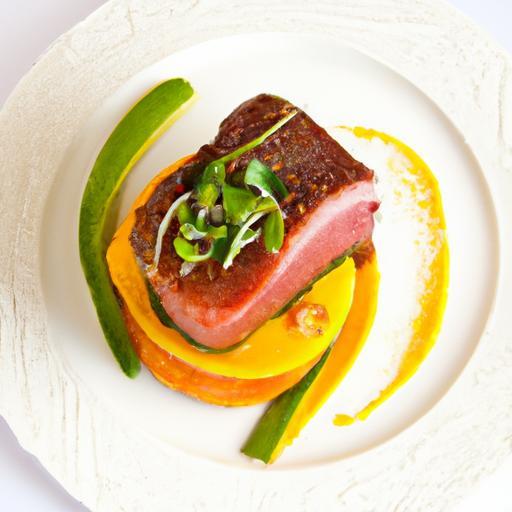

Imagine a world where every bite you take is a symphony of sensations,orchestrated not just by your palate but by an intricate dance of molecules. Flavor is more than just taste; it’s a captivating chemistry performance that unfolds on your tongue, in your nose, and deep within your brain. From the burst of sweetness in a ripe strawberry to the smoky whisper of a charred steak, the secrets behind these experiences lie in the fascinating interplay of chemical compounds. Join us as we embark on a flavorful journey to unlock the science behind what makes food truly irresistible, revealing how chemistry shapes the tastes that delight our senses and connect us to cultures around the globe.
Unlocking Taste: The Fascinating Chemistry of Flavor in a Classic Roasted Garlic and Herb Chicken
Unlocking taste: the fascinating chemistry of flavor begins with understanding how simple ingredients and precise cooking techniques combine to create an unforgettable culinary experience. This roasted garlic and herb chicken recipe exemplifies how Maillard reactions and aromatic compounds interplay, elevating humble ingredients into a symphony of flavor that delights the senses.
Prep and Cook Time
- Preparation: 20 minutes
- Marinating time: 1 hour (optional but recommended)
- Cooking time: 1 hour 15 minutes
- Total time: Approximately 2 hours
Yield
Serves 4 generous portions
Difficulty Level
Medium – beginner cooks comfortable with roasting and seasoning
Ingredients
- 1 whole chicken (about 4 lbs), patted dry
- 6 cloves garlic, minced
- 2 tablespoons extra virgin olive oil
- 1 tablespoon fresh rosemary, chopped
- 1 tablespoon fresh thyme, chopped
- 1 teaspoon smoked paprika
- 1 teaspoon coarse sea salt
- ½ teaspoon freshly cracked black pepper
- 1 lemon, quartered
- ¼ cup dry white wine or chicken broth
- Optional: 1 tablespoon unsalted butter
Instructions
- Prepare the marinade: in a small bowl, combine minced garlic, olive oil, rosemary, thyme, smoked paprika, salt, and black pepper. This blend harnesses natural ingredients that actively enhance flavor through their aromatic oils and subtle chemical compounds.
- Marinate the chicken: Rub the marinade generously inside and outside the chicken skin. Place lemon quarters inside the cavity. Cover and refrigerate for at least 1 hour to allow the flavors to penetrate the meat and create a layered flavor profile.
- preheat your oven: set to 425°F (220°C). Allowing the oven to reach the ideal temperature ensures proper Maillard browning-the chemical reaction responsible for the appetizing golden crust and umami depth.
- Roast the chicken: Position the bird breast-side up on a rack in a roasting pan. Pour white wine or chicken broth into the pan to keep the environment moist and catch drippings for rich pan sauce. Roast for 1 hour 15 minutes or until the internal temperature reaches 165°F (74°C).
- Optional finishing step: During the last 10 minutes, dot the chicken with butter to boost caramelization and enrich the mouthfeel with subtle fatty notes that balance the herbal intensity.
- Rest your chicken: Remove from the oven and tent loosely with foil for 10-15 minutes. Resting allows juices to redistribute, ensuring each bite is tender and juicy, showcasing refined control over flavor chemistry.
- Carve and serve: Slice the chicken and serve with your choice of roasted seasonal vegetables or a fresh green salad to complement the dish’s savory complexity and highlight the natural sweetness developed during cooking.
Chef’s Notes: Tips for Success
- Marinating not only infuses flavor but also initiates enzymatic breakdown of proteins, enhancing tenderness.
- Using fresh herbs maximizes the release of essential oils, critical for flavor pairing and aromatic depth.
- Maintain oven temperature consistency to achieve even browning and avoid drying out the meat.
- For an extra layer of umami, add a tablespoon of soy sauce or miso paste to the marinade.
- Make-ahead tip: This recipe can be prepped a day in advance; refrigerate the marinated chicken covered tightly to intensify flavors.
Serving Suggestions
Present the roasted garlic and herb chicken on a rustic wooden board, garnished with fresh rosemary sprigs and lemon wedges for a visually arresting tableau. Drizzle pan jus over the top just before serving to tie the dish together with a silky, herbaceous finish. Complement this main with creamy mashed potatoes or a crisp arugula salad dressed with a light lemon vinaigrette to highlight the balanced flavor harmony.

| Nutritional Information (per serving) | Amount |
|---|---|
| Calories | 430 kcal |
| Protein | 38 g |
| Carbohydrates | 3 g |
| Fat | 28 g |
For more on how to amplify natural flavors, check out our Science of Herbs and Spices article. Additionally, explore the fundamentals of the Maillard reaction in this ScienceDaily feature to deepen your culinary understanding.
Q&A
Q&A: Unlocking Taste – The Fascinating Chemistry of Flavor
Q1: What exactly is flavor,and how is it different from taste?
A: Flavor is the full sensory experience we get when eating or drinking,a delightful symphony composed of taste,smell,texture,and even temperature. Taste is just one part of that-our tongue’s ability to recognize five basic sensations: sweet, sour, salty, bitter, and umami. Flavor, conversely, is the orchestra, where aroma molecules, mouthfeel, and even sound play their parts.
Q2: How does chemistry help us understand flavor?
A: Chemistry is the secret codebook behind flavor. Every delicious bite involves countless chemical compounds interacting with receptors on our tongue and in our nose. For example,sugar molecules bind to sweet receptors,while organic acids trigger sour sensations. Chemists analyze these compounds to reveal why an apple tastes crisp and refreshing, or why dark chocolate carries hints of bitterness and floral notes.
Q3: Why can smell influence what we taste?
A: Our noses are flavor’s backstage pass. When we chew, volatile molecules waft up to the olfactory receptors, sending signals to the brain. This retronasal olfaction is why a cold, congested nose can make food taste bland-even if the tongue’s taste buds are perfectly fine! Smell adds complexity and depth, turning a simple tomato into a sun-ripened masterpiece bursting with zest.Q4: What role does umami play in flavor chemistry?
A: Umami is the savory superstar discovered only in the 20th century. It’s triggered by amino acids like glutamate, often found in broths, mushrooms, and aged cheeses. Chemically speaking, umami signals protein-rich nourishment to our brains, making dishes taste richer, heartier, and more satisfying-a flavor enhancer hiding in plain sight.Q5: Can understanding flavor chemistry help us create better food?
A: Absolutely! Food scientists leverage flavor chemistry to craft everything from healthier snacks that still satisfy cravings to plant-based meats that replicate juicy, savory profiles.By pinpointing which molecules evoke desired flavors, they can tailor recipes and even invent new taste experiences-unlocking a world of culinary creativity.
Q6: Is flavor perception the same for everyone?
A: Not at all! Genetics, culture, and personal experience shape how each of us perceives flavor. Some people are “supertasters” with more taste buds, finding bitter flavors intense, while others may have a muted response. Chemistry explains the “what” behind flavor, but our brains and stories determine the “how” we experience it.
Q7: What future discoveries in flavor chemistry excite scientists the moast?
A: the frontier includes decoding the interplay between flavor molecules and gut microbes, developing natural flavor enhancers without added salt or sugar, and even creating personalized flavor profiles based on one’s genetic makeup. The fusion of chemistry, biology, and technology promises a tastier, healthier future where flavor is finely tuned to delight and nourish us all.
Unlocking the chemistry of flavor reveals that every meal is a masterful molecular dance-one that tantalizes our senses and tells a story far richer than mere taste.
The Conclusion
As we’ve journeyed through the intricate dance of molecules that make up our sense of flavor, it becomes clear that the chemistry behind taste is much more than mere biology-it’s a symphony of reactions that transforms simple ingredients into unforgettable experiences. Unlocking the secrets of flavor not only deepens our gratitude for the foods we enjoy but also opens exciting doors for innovation in culinary arts and food science. So, the next time a bite delights your palate, remember: beneath that burst of taste lies a captivating chemical story, waiting to be savored and explored.