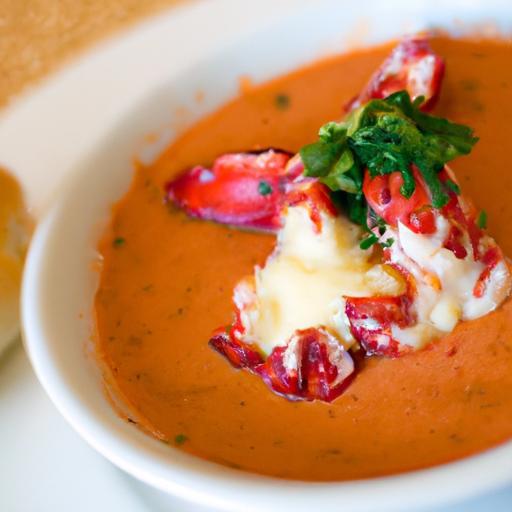

There’s a certain magic in a bowl of lobster bisque-a velvety elixir that captures the very essence of the sea. This sumptuous soup, rich with the sweet, briny flavour of fresh lobster, beckons both seasoned gourmands and curious newcomers alike. “Luscious Lobster Bisque: A Creamy ocean Delight Unveiled” invites you to dive beneath the surface of this classic dish, exploring its savory depths, the art of its silky texture, and the warm comfort it brings with every spoonful. Join us as we unravel the story behind this beloved culinary treasure and discover why lobster bisque continues to reign as a timeless oceanic indulgence.
Luscious Lobster Bisque captures the essence of coastal indulgence in every velvety spoonful, a timeless recipe that whispers stories of maritime tradition and culinary artistry. This luxurious soup has its roots in French haute cuisine, where chefs perfected the delicate balance of rich lobster flavor and a smooth, creamy texture. My first encounter with this elegant bisque was at a quaint seaside bistro, where the warmth of the broth and the ocean’s bounty danced on my palate. Today,I invite you to recreate that magic in your own kitchen,mastering the fine art of crafting a creamy ocean delight.
Prep and Cook Time
- Preparation: 30 minutes
- Cooking: 1 hour
- Total Time: 1 hour 30 minutes
Yield
Serves 4 generous portions
Difficulty Level
Medium – perfect for cooks agreeable with seafood and sauce making
Ingredients
- 2 live lobsters (1.5 to 2 pounds each), or 2 pounds cooked lobster meat, chopped
- 6 cups fish or lobster stock, homemade or high-quality store-bought
- 4 tablespoons unsalted butter
- 1 medium yellow onion, finely diced
- 2 stalks celery, finely chopped
- 1 large carrot, peeled and diced
- 3 cloves garlic, minced
- 1/4 cup all-purpose flour, sifted
- 1/2 cup dry white wine
- 1 tablespoon tomato paste
- 1 teaspoon fresh thyme leaves
- 2 bay leaves
- 1 cup heavy cream
- salt and freshly ground black pepper, to taste
- 1 tablespoon brandy or cognac (optional)
- Fresh chives or tarragon, finely chopped for garnish
instructions
- Prepare the lobsters: Steam live lobsters in a large pot of boiling water for 8-10 minutes until bright red. Remove and cool. Extract the meat from claws, knuckles, and tails. Reserve shells for stock.
- Make the stock: In a large saucepan, melt 2 tablespoons butter over medium heat.Add lobster shells, diced onion, celery, carrot, and garlic. Sauté for 8 minutes until fragrant and lightly browned, stirring occasionally to avoid burning.
- add liquid and aromatics: Stir in tomato paste and cook for 2 minutes.Pour in white wine to deglaze the pan, simmer until reduced by half. Add stock, thyme, and bay leaves. Bring to a boil,then reduce to a simmer for 45 minutes.
- Strain the broth: Remove shells and vegetables by straining through a fine mesh sieve. Press gently to extract all flavors.Return liquid to the pot.
- Create a roux: In a separate pan, melt remaining 2 tablespoons butter. Whisk in the flour and cook over medium-low heat for 3 minutes until golden and smooth but not darkened.
- Combine roux and stock: Gradually whisk the roux into the warm lobster stock to thicken, stirring constantly to prevent lumps. Simmer gently for 10 minutes.
- Add cream and lobster meat: Stir in heavy cream and chopped lobster meat. Warm through, but avoid boiling to keep the cream silky.
- Finish and season: Add brandy if using. Season with salt and freshly ground pepper to taste.Remove bay leaves and adjust consistency with extra stock or cream as desired.
- Serve promptly: Ladle into pre-warmed bowls and garnish with finely chopped chives or tarragon for a fresh herbal lift.
Tips for Success
- Use fresh lobster or quality lobster tails: For guaranteed richness, fresh live lobsters make all the difference, but high-quality cooked lobster is an excellent shortcut.
- Homemade stock matters: Building your own lobster stock from shells amplifies the oceanic depth and aroma. If short on time, a premium seafood stock will suffice.
- Patience with the roux: Cooking the flour and butter gently ensures the bisque thickens perfectly without a raw flour taste or graininess.
- Avoid boiling after cream: Too much heat can cause your creamy bisque to curdle-warm gently and stir frequently.
- Make ahead: Bisque improves when flavors meld overnight,so consider preparing the stock and base a day ahead,then stir in lobster meat just before serving.
Serving Suggestions
Present your luscious lobster bisque in elegant, shallow bowls. Add a dollop of crème fraîche or swirl a touch of flavored oil (such as herb or chili oil) for visual charm. Toasted brioche or garlic crostini provide the perfect crispy contrast to the creamy soup. Pair with a chilled glass of crisp Sauvignon Blanc or a buttery Chardonnay to elevate the dining experience. A light arugula and fennel salad dressed with lemon vinaigrette balances richness beautifully.
| Nutritional Info (per serving) | Amount |
|---|---|
| Calories | 350 kcal |
| Protein | 28 g |
| carbohydrates | 15 g |
| Fat | 18 g |

For related seafood inspiration, explore our Classic Seafood Paella recipe. To delve deeper into the science of bisques and their preparation, visit Fine Cooking’s expert article.
Q&A
Q&A: Luscious Lobster Bisque – A Creamy Ocean Delight Unveiled
Q1: What exactly is lobster bisque?
A: Lobster bisque is a rich, creamy soup crafted from lobster shells, meat, cream, and a medley of aromatic herbs and spices. Originating from french cuisine, bisque traditionally involves slow simmering to extract deep, oceanic flavors, resulting in a velvety texture that’s both luxurious and comforting.
Q2: How does lobster bisque differ from regular lobster soup?
A: Unlike a straightforward lobster soup, lobster bisque is painstakingly strained to remove solids, creating a smooth, silky consistency. it’s also more concentrated in flavor, thanks to the roasting of lobster shells and the use of wine or brandy, which infuse the broth with complexity and depth.
Q3: Why is it called a “bisque”?
A: The term “bisque” stems from the french region of Biscay on the Bay of Biscay, where shellfish were abundant. Over time, “bisque” came to describe this particular style of creamy, finely pureed shellfish soup, prized for its elegance and richness.
Q4: What makes lobster bisque so luscious and creamy?
A: The luxurious creaminess comes from a combination of heavy cream and butter, often enhanced with a touch of tomato paste and a slow reduction process. This careful melding not only thickens the bisque but also brings out the sweet brininess of the lobster, creating an irresistible oceanic indulgence.
Q5: Can lobster bisque be made ahead of time?
A: Absolutely! In fact, lobster bisque benefits from resting overnight, as flavors deepen and harmonize. It reheats beautifully over low heat. Just be sure to stir frequently to maintain that silky texture.
Q6: What are some creative ways to serve lobster bisque?
A: Classic presentations include a drizzle of cream,fresh herbs like chives or tarragon,and a touch of cognac. For a modern twist, try serving bisque in mini martini glasses as an appetizer, or pair it with a crispy lobster-crouton for added texture. Garnishes such as microgreens or a sprinkle of smoked paprika can add both visual flair and flavor layers.Q7: Is lobster bisque difficult to prepare?
A: While lobster bisque requires a bit of patience and attention to detail-especially in shell roasting and broth reduction-it’s well worth the effort. With quality ingredients and step-by-step guidance, even home cooks can achieve a restaurant-worthy bisque that dazzles the palate.
Q8: What wines pair best with lobster bisque?
A: Opt for crisp, buttery white wines like Chardonnay or Viognier that complement the creamy texture without overpowering the delicate lobster flavors. A chilled, unoaked Sauvignon Blanc or a sparkling wine can also elevate the experience with their bright acidity.
Q9: Are there any vegetarian or vegan alternatives inspired by lobster bisque?
A: Yes! While traditional bisque uses lobster stock, creative cooks replicate its essence with roasted mushrooms, seaweed, and cashew cream, blending umami and oceanic notes into a similarly creamy and luxurious soup-perfect for plant-based palates.
Q10: Why is lobster bisque considered a special occasion dish?
A: Lobster bisque embodies indulgence-both in its price point and preparation time. It’s a celebration of the sea’s finest delights, reserved for moments when you want to impress or savor somthing decadent, making it a perfect choice for holidays, anniversaries, or intimate dinners.
In Summary
As we close the chapter on the sumptuous world of lobster bisque, it’s clear that this creamy ocean delight is more than just a dish-it’s an invitation to savor the sea’s finest offerings in a velvety embrace.Whether enjoyed as an elegant starter or a comforting main, luscious lobster bisque exemplifies the art of transforming humble ingredients into a luxurious experience. So next time you seek a taste that’s both rich in flavor and steeped in tradition, dive into a bowl of bisque and let its silky depths transport you to coastal kitchens where the ocean’s bounty meets culinary mastery.