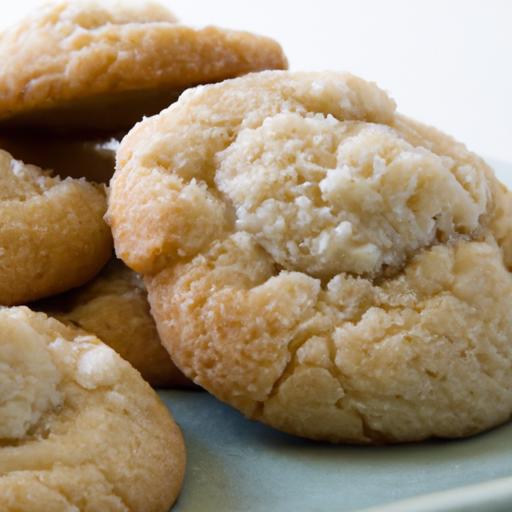
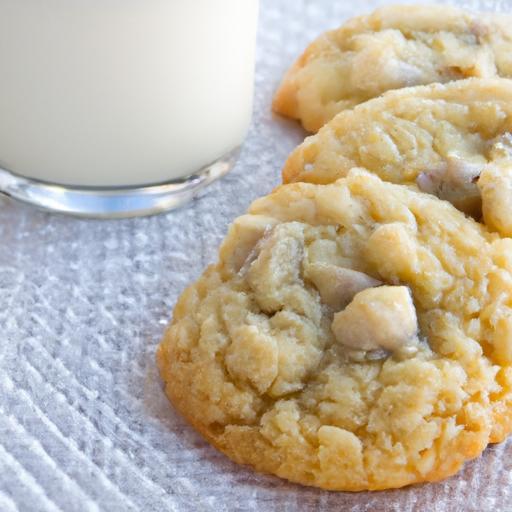

In a world where indulgence often comes with a side of guilt, finding treats that satisfy both the palate and the desire for wholesome eating can feel like a sweet victory. Enter coconut flour cookies-a delightful twist on conventional favorites that bring a tender crumb, subtle coconutty aroma, and a naturally lighter texture to your cookie jar. Whether you’re navigating gluten sensitivities, embracing low-carb living, or simply seeking a new baking adventure, these golden gems offer a deliciously light alternative that doesn’t skimp on flavor. Welcome to Deliciously Light: The Ultimate Guide to Coconut flour Cookies, where we’ll explore everything from the basics of baking with coconut flour to tips, tricks, and recipes that will elevate your cookie game and brighten your day-one bite at a time.
Deliciously Light coconut flour cookies bring a delightful twist to your baking repertoire,offering a naturally gluten-free,fiber-rich alternative that marries tenderness with just the right chew. Coconut flour’s unique composition demands an understanding of essential ingredients and techniques to unlock cookies that are neither dry nor crumbly but boast a perfect balance of lightness and flavor that keeps every bite irresistible.
Prep and Cook Time
- Readiness: 15 minutes
- Baking: 12-15 minutes
- Total Time: 30 minutes
Yield
Approximately 16 medium-sized cookies
Difficulty Level
Easy to Medium – perfect for bakers seeking healthier treats without sacrificing texture or taste
ingredients
- ½ cup coconut flour, sifted for smoothness
- ½ teaspoon baking soda
- ¼ teaspoon sea salt
- 3 large eggs at room temperature
- ⅓ cup coconut oil, melted and slightly cooled
- ⅓ cup pure maple syrup or honey for natural sweetness
- 1 teaspoon vanilla extract
- ¼ cup unsweetened shredded coconut (optional, for added chew and texture)
- ½ cup dark chocolate chips or chopped nuts (optional)
Instructions
- Preheat your oven to 350°F (175°C) and line a baking sheet with parchment paper to prevent sticking.
- In a medium bowl, whisk together the coconut flour, baking soda, and salt. This dry blend ensures even rising and flavor distribution.
- In a separate large bowl, beat the eggs vigorously until fluffy; this aeration contributes to a lighter texture.
- Slowly fold in the melted coconut oil, maple syrup (or honey), and vanilla extract into the eggs until combined.
- Gradually add the dry ingredients to the wet mixture, stirring gently to incorporate. The dough will thicken quickly-don’t overmix!
- If using, fold in shredded coconut and chocolate chips for bursts of texture and flavor.
- Using a tablespoon or small cookie scoop, drop spoonfuls of dough onto the prepared baking sheet, spacing about 2 inches apart.
- Bake for 12 to 15 minutes until the edges start to turn golden brown and the centers appear set but slightly soft.
- Remove from oven and allow cookies to cool on the baking sheet for 10 minutes-this resting time lets them firm up perfectly.
- Transfer to a wire rack to cool wholly before serving or storing, to maintain tenderness.
Tips for Success
- Moisture Balance: Coconut flour absorbs considerably more liquid than traditional flour, so it’s essential to use eggs and oils generously to prevent dryness.
- Sweetness Tips: Adjust the maple syrup to taste, but avoid overly sweetening as coconut flour’s natural nuttiness pairs beautifully with moderate sweetness.
- Mix-ins Variation: Experiment with dried fruits, chopped nuts, or a dash of cinnamon to customize your cookies’ flavor profile.
- Make-Ahead: Dough can be stored in the refrigerator for up to 48 hours,perfect for quick baking later.
- Troubleshooting: If cookies feel crumbly after baking, next time try adding an extra egg or a tablespoon of almond milk to enhance moisture retention.
Serving Suggestions
Present these cookies with a dusting of powdered sugar or a light drizzle of dark chocolate for extra decadence. Pair them with a cup of warm herbal tea or homemade nut milk for a guilt-free afternoon indulgence. garnish with edible flowers or a sprinkle of toasted coconut flakes to elevate the visual appeal and texture contrast.

Nutrition Data per Cookie
| Calories | Protein | Carbohydrates | Fat |
|---|---|---|---|
| 120 | 3g | 10g | 7g |
For more baking inspiration, check out our Healthy Gluten-free Desserts guide that complements the Deliciously Light coconut flour cookies perfectly. To deepen your understanding of coconut flour’s nutritional benefits, visit Healthline’s expert overview.
Q&A
Q&A: Deliciously Light – The Ultimate Guide to Coconut Flour Cookies
Q1: What makes coconut flour cookies different from traditional cookies?
A1: Coconut flour cookies bring a delightful twist to the classic treat by substituting regular flour with coconut flour-a fiber-rich, naturally gluten-free alternative. This switch not only lightens the cookie’s texture but infuses it with a subtle, tropical hint that’s both unique and irresistible! Unlike wheat flour, coconut flour absorbs more moisture, resulting in cookies that are tender, moist, and quite often lower in carbs.Q2: Is coconut flour suitable for people with dietary restrictions?
A2: Absolutely! Coconut flour is naturally gluten-free, grain-free, and low in carbohydrates, making it an ideal choice for those with gluten sensitivities, celiac disease, or anyone following paleo, keto, or low-carb diets. Plus, it’s packed with fiber and healthy fats, so your coconut flour cookies aren’t just tasty-they’re nourishing too.
Q3: Why do recipes with coconut flour require fewer quantities compared to regular flour?
A3: Coconut flour is highly absorbent due to its high fiber content-often absorbing up to three times its weight in liquid. This means recipes typically call for significantly less coconut flour than regular flour to prevent the dough from becoming dry or crumbly. When baking, it’s crucial to balance the dry coconut flour with enough wet ingredients like eggs, oils, or dairy substitutes to achieve that perfect chewy or cakey consistency.
Q4: Can I substitute coconut flour 1:1 for all-purpose flour in my favorite cookie recipe?
A4: Not quite. Because of coconut flour’s unique properties-its absorbency and density-a straight 1:1 substitution usually won’t work and can result in dry, crumbly cookies. Most accomplished recipes either reduce the amount of coconut flour or increase liquids and binding agents, especially eggs. It’s best to use recipes specifically designed for coconut flour or to adjust proportions thoughtfully if experimenting.
Q5: How do you achieve the perfect texture in coconut flour cookies?
A5: The secret lies in balancing moisture and binding. Using enough eggs (wich act as binders) and adding rich ingredients like coconut oil, butter, or nut butters helps create a tender, chewy texture. Additionally, letting the dough rest before baking can give the flour a chance to absorb liquids fully, resulting in a softer cookie. For added depth, experimenting with mix-ins like chocolate chips, shredded coconut, or nuts can enhance both texture and flavor.
Q6: What flavor profile can I expect from coconut flour cookies?
A6: Expect a faintly sweet, mildly nutty flavor with a delicate coconut undertone that pairs beautifully with complementary flavors like vanilla, cinnamon, chocolate, or tropical fruits such as pineapple or mango. The coconut flavor isn’t overpowering but provides a warm, comforting base that elevates each bite.
Q7: Are coconut flour cookies easy to make, or do they require special techniques?
A7: They’re surprisingly straightforward! While they do demand some attention to ingredient ratios, the baking techniques remain familiar-mix, shape, and bake.Measuring accurately and giving the batter time to rest are helpful tips.If you’re accustomed to traditional baking, you’ll enjoy exploring the fun, creative process of crafting these light, wholesome cookies.
Q8: Where can I find the best coconut flour for baking?
A8: Look for finely ground, finely sifted coconut flour labeled ”unsweetened” for the purest taste and best texture. Organic brands are plentiful in most grocery stores, health food shops, and online. Quality matters because coarser or flavored varieties can impact moisture absorption and the final cookie texture.
Q9: What’s a quick tip for making coconut flour cookies less crumbly?
A9: Boosting the eggs or adding a tablespoon or two of nut butter or coconut oil can definitely help bind the dough more effectively. Also, chilling the dough before baking helps the cookies hold their shape and reduces crumbliness. A touch of honey or maple syrup can add moisture and sweetness, making the cookies softer and more cohesive.
Q10: can these cookies be stored and enjoyed later?
A10: Definitely! Coconut flour cookies keep well when stored in an airtight container at room temperature for up to 4 days. For longer storage, refrigerating or freezing is ideal-just thaw or warm briefly before enjoying to bring back that freshly baked softness.
Embrace the magic of coconut flour and let your cookie creativity soar.Light, flavorful, and nourishing-these cookies are the ultimate guilt-free indulgence your taste buds will celebrate!
Future Outlook
Whipping up coconut flour cookies offers a deliciously light twist on a classic treat, proving that indulgence doesn’t have to weigh you down.Armed with the tips and recipes from this ultimate guide, you’re ready to create cookies that are not only flavorful and satisfying but also gentle on your digestion and waistline. Whether you’re baking for health, flavor, or curiosity, coconut flour brings a unique texture and subtle sweetness that elevates every bite. So go ahead-embrace the magic of this versatile flour and let your oven fill your kitchen with the enticing aroma of wholesome goodness. Your next favorite cookie is just a scoop away!