
Imagine the moment you’re about to lock away leftover food or preserve vibrant produce, only to realize that the container’s seal isn’t quite as fresh as you hoped.Enter the water displacement method-a deceptively simple yet brilliantly effective technique that has revolutionized how we maintain freshness without the need for fancy gadgets. In this article, we dive deep into the art and science of seal freshness, unlocking the secrets behind mastering the water displacement method. Whether you’re a kitchen novice or a culinary maestro, prepare to elevate yoru food storage game with this ingenious approach that keeps flavors crisp, textures intact, and perishables lasting longer than ever before.
Seal freshness effectively in your kitchen by mastering the water displacement method-a simple yet ingenious technique that preserves flavor and texture impeccably. Originally popularized by sous vide enthusiasts, this method gently removes excess air from packaging without expensive vacuum sealers, enabling home cooks to lock in freshness and extend shelf life like a pro. I first discovered this trick while experimenting with marinating seafood for crisp, ocean-fresh results, and it quickly became a staple in my culinary routine.
prep and Cook Time
Preparation: 5 minutes
Active sealing time: 10 minutes
Total time: 15 minutes
Yield
Seals freshness for up to 7 days depending on ingredients and storage.
Difficulty Level
Easy – no special equipment required, just water and airtight bags.
Ingredients
- 1 quart-size heavy-duty resealable plastic bag (BPA-free recommended)
- Fresh produce, proteins, or prepared meals to store
- Large bowl or container filled with cold water (enough to fully submerge the bag)
- Optional: kitchen clips for securing the bag rim if needed
Step-by-step Instructions
- Fill your container with cold water: Use a large bowl or clean sink. The temperature should be cool to avoid altering the freshness of the food.
- Place your food inside the resealable bag: arrange ingredients flat and evenly for maximum contact and airtight sealing.
- Submerge the bag slowly into the water: Hold the top edges open and lower it just until only the seal rim remains above water.The water pressure will push the air out naturally.
- Seal the bag wholly: While keeping it underwater, zip the bag from one end to the other to ensure no air remains trapped.
- Remove the bag carefully: Lift the sealed bag out without letting water enter and dry any excess moisture from the seal area.
- Label and store: Add date and contents on the bag and place it in the refrigerator or freezer for optimal freshness retention.
Chef’s notes & Tips for Success
- Use thick, BPA-free bags: Thes withstand water pressure better and are less likely to tear or leak.
- Keep food size consistent: Smaller portions seal more effectively with less air inside.
- Double bagging: When sealing juicy/protein-rich items, double up the bag to avoid leaks.
- Freeze before sealing: For delicate items like berries, a quick freeze prevents crushing during the process.
- Practise makes perfect: The key is slow, steady submersion to avoid water entering the bag’s seal.
- Do not reuse bags: For food safety, always start with fresh bags to ensure airtight, contamination-free seals.
Common Pitfalls to avoid
- Sealing with warm or hot foods-this can cause condensation inside the bag and reduce shelf life.
- Rushing the zip closure-any gap lets air back in, making the water displacement ineffective.
- Overfilling the bag-leave enough space to allow air to escape during submersion.
- Using thin or low-quality bags that easily puncture under water pressure.
Advanced Tips for Maximizing Shelf Life and Flavor Preservation
- Infuse your liquids: When sealing marinated items, add fresh herbs and spices directly into the bag to deepen flavors during storage.
- combine with vacuum sealing: Master the water displacement method as a reliable backup when vacuum sealers aren’t accessible.
- Use ice water baths: For delicate foods,an ice water bath helps maintain cold temperatures,preventing bacterial growth.
- After sealing,gently massage bags to redistribute marinades and prevent flavor concentration in pockets.
- For sous vide cooking, this technique ensures perfect heat transfer with minimal air interference, creating tender, evenly cooked results.
Serving Suggestions
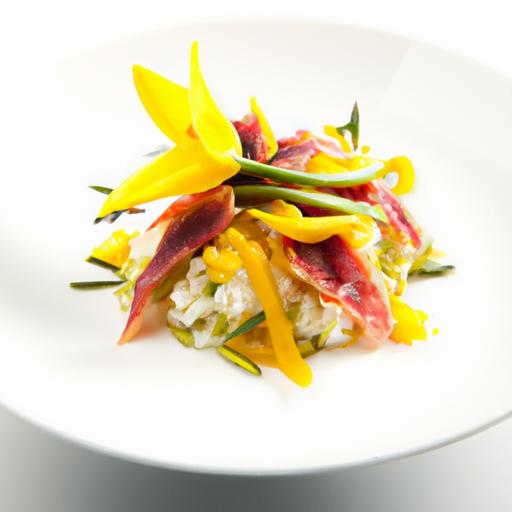
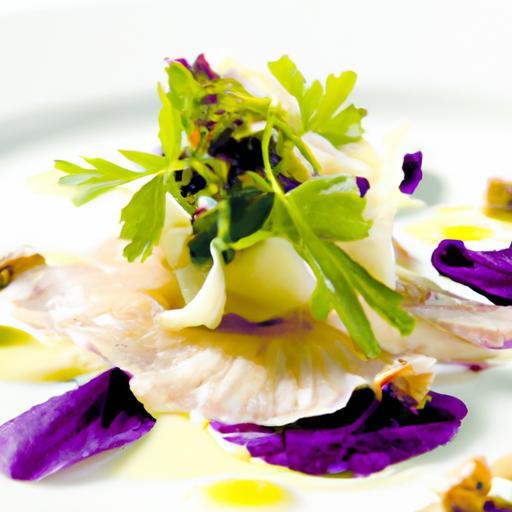
Once your food is perfectly sealed and fresh,consider simple,elegant presentations to elevate your meals. Such as, remove salmon sealed with citrus and dill just before cooking; finish with a light brush of olive oil and a sprinkle of fresh microgreens to enhance freshness visually and tastewise. serve pre-portioned roasted vegetables sealed using the water displacement method alongside a drizzle of balsamic reduction and toasted seeds for a vibrant, nutritious plate.

| Nutrient | Per Serving | Notes |
|---|---|---|
| Calories | 5 (bag only) | Minimal calorie increase, no added fats |
| Protein | 0 g | Preserves original food protein intact |
| Carbohydrates | 0 g | No carb contribution from sealing process |
| Fat | 0 g | Airtight seal prevents oxidation of fats in food |
For more advanced preservation techniques, explore our thorough guide on flavor preservation. To understand the science of food safety further, visit the USDA Food safety and Inspection Service.
Q&A
Q&A: Seal Freshness – Mastering the Water Displacement Method
Q1: What is the water displacement method,and why is it important for sealing food?
A: The water displacement method is a clever technique used to remove air from a bag before sealing it,typically in sous vide cooking or vacuum sealing. By submerging the bag in water,the pressure of the water pushes air out,ensuring a tight seal around the food.this prevents oxidation, freezer burn, and helps lock in flavors and freshness.
Q2: How does the water displacement method work in practice?
A: Simply place your food in a resealable plastic bag, leaving a small opening at the top. Slowly lower the bag into a bowl or sink filled with water, letting the water pressure squeeze air out of the bag through the open top. When nearly all air is out, seal the bag completely before removing it from the water.
Q3: can I use any kind of bag for this method?
A: For best results, use sturdy, BPA-free resealable bags designed for sous vide or food storage. Thin, flimsy plastic may tear or let water seep in, compromising the seal and freshness.
Q4: Is the water displacement method better than using a vacuum sealer?
A: Vacuum sealers excel at creating airtight seals quickly, but the water displacement method is a fantastic and accessible alternative without the need for specialized equipment. It’s particularly handy for home cooks or when sealing bulky or oddly-shaped items.
Q5: Are ther any safety considerations with the water displacement method?
A: Absolutely! Be sure not to submerge the sealed portion of the bag underwater,or water may leak in. Also, use clean, potable water to avoid contamination.If you’re cooking sous vide, ensure the bag is rated safe for cooking temperatures.
Q6: What kinds of foods benefit most from this sealing technique?
A: Everything from marinated meats, fresh vegetables, to delicate fish and even prepared meals benefit. The method preserves moisture and flavor and extends shelf life by reducing exposure to air.
Q7: Can this method help with freezer storage?
A: Definitely! Expelling air reduces the risk of freezer burn and keeps your frozen goods tasting fresh for longer periods.
Q8: Any tips for mastering the water displacement method?
A: Take your time lowering the bag to prevent splashing or trapping air pockets. Press the bag gently as it’s submerged to push out any stubborn bubbles. Practice makes perfect-soon you’ll be sealing like a pro!
Q9: How does this method compare environmentally?
A: since it uses reusable bags or those that can be washed and reused, it can be more eco-amiable than single-use vacuum bags. Plus,it reduces food waste by keeping meals fresher longer.
Q10: Can I reuse bags sealed by water displacement?
A: yes, if the bags are thoroughly cleaned and designed for multiple uses. Just make sure they’re not compromised or torn to maintain safety and hygiene.
Mastering the water displacement method transforms simple bag sealing into an art form that preserves your food’s freshness, flavor, and texture. With just water, a bag, and a little know-how, you can protect your culinary creations and elevate your kitchen game!
Insights and Conclusions
In the quest to keep your food fresher for longer, mastering the water displacement method offers a simple yet ingenious solution. By harnessing the natural force of water to create an airtight seal, you can preserve flavors, lock in nutrients, and reduce waste with minimal effort. Whether you’re storing delicate fruits, marinating meats, or prepping meals ahead of time, this technique transforms everyday kitchen practice into an art of freshness. So next time you reach for your storage bags or containers, remember: a little water, a steady hand, and the magic of displacement can make all the difference in savoring the taste of truly fresh food.