
In a world increasingly awash with plastic waste and mounting environmental concerns, the search for sustainable packaging solutions has never been more urgent. Enter edible films and papers-a groundbreaking innovation that promises to transform how we wrap, protect, and preserve our food. Imagine packaging you can eat, compost, or let dissolve harmlessly without leaving a trace, turning waste into a resource. As we peel back the layers of this emerging technology, edible films and papers reveal themselves not just as clever novelties, but as potential cornerstones for a greener, cleaner future. Join us as we explore how these edible enclosures are reshaping sustainability and redefining the very idea of packaging.
Exploring the Science and Sustainability of Edible Films & Papers
Edible Films & Papers represent a groundbreaking fusion of food science and environmental innovation, inviting us to rethink packaging from a delicious, sustainable viewpoint. These delicate, transparent sheets are crafted from natural polymers such as starch, proteins, and cellulose, transforming simple ingredients into biodegradable wraps that protect food – all while reducing reliance on traditional plastic waste.
Originating from early explorations in edible coatings used to preserve fruits and vegetables, edible films have evolved into versatile materials capable of extending shelf life and enhancing food presentation. Imagine wrapping fresh cheeses or artisanal chocolates not in cling film, but in an edible, flavorful sheet that adds texture, reduces waste, and delights the senses.
Prep and Cook time
- Preparation: 15 minutes
- Drying & Setting: 3-4 hours
- Total Time: Approximately 4 hours
Yield
Makes approximately 12 edible sheets (6″ x 6″ each)
Difficulty Level
Medium – requires attentive drying and handling but is simple with practice
Ingredients
- 1 cup water (filtered, room temperature)
- 2 tablespoons corn starch (for clarity and flexibility)
- 1 tablespoon gelatin powder (or agar-agar for vegan option)
- 1 tablespoon glycerol (food grade, for plasticizing)
- 1 teaspoon natural flavor extract (vanilla, citrus zest, or herb infusion)
- Optional: small pinch of food-safe coloring or edible glitter for visual flair
Instructions
- Bloom the gelatin: In a small bowl, sprinkle gelatin powder over ¼ cup cold water. Let it stand for 5 minutes until it swells and softens.
- Mix starch slurry: In a saucepan, combine corn starch with the remaining ¾ cup water, stirring until smooth and lump-free.
- Heat base mixture: Place saucepan over medium heat. Stir continuously until mixture thickens into a translucent gel, about 3-4 minutes.
- Add gelatin and glycerol: Remove from heat and whisk in bloomed gelatin and glycerol until fully dissolved, creating a glossy, flexible liquid.
- Incorporate flavor & color: Stir in your chosen flavoring and any coloring gently to retain clarity.
- Pour and level: Pour the mixture evenly onto a non-stick flat surface or silicone mat in a thin layer (~1 mm thick). Tilt carefully to spread.
- Dry the sheets: Allow the film to dry at room temperature for 3-4 hours or until fully set and peelable. Avoid direct sunlight to prevent brittleness.
- Peel and store: Gently lift dried sheets from the surface. Store in an airtight container between parchment papers to prevent sticking or moisture absorption.
Tips for Success
- Control thickness: Pour thinner layers for delicate wraps; thicker for sturdier sheets.Uniform thickness ensures even drying and texture.
- Gelatin vs Agar: Use gelatin for elasticity and a tender mouthfeel. Agar yields firmer, crisper sheets suitable for decorative applications.
- Avoid humidity: High moisture disrupts drying – use a dehumidifier or low-humidity room if possible.
- Flavor pairing: Experiment with savory herbs like rosemary or basil for cheese wraps, or sweet vanilla and citrus for desserts to elevate sensory appeal.
- Make in advance: sheets can be stored for up to 2 weeks in a sealed container, ready to provide eco-conscious packaging any time.
Serving Suggestions
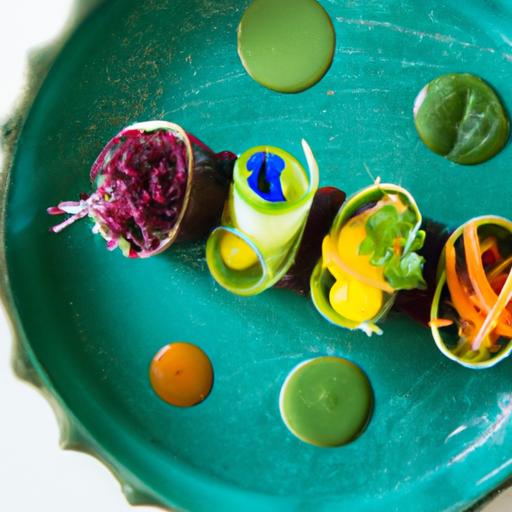
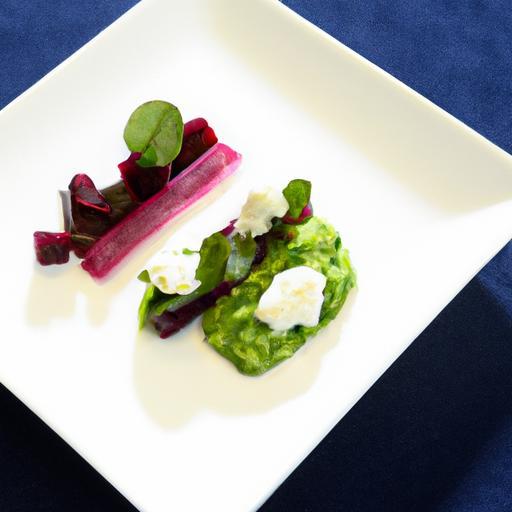
Present your edible films & papers as innovative wrappers for cheeses, sushi, or petite pâtisseries. For an elegant touch, mold sheets while still warm around delicate treats to create edible cups or envelopes. Garnish plates with colorful edible flakes alongside, allowing guests to unwrap flavor and sustainability concurrently.
These translucent sheets also work brilliantly as whimsical, edible placemats or disposable coasters during rustic dinner parties, sparking conversation about environmental responsibility while delighting with texture and subtle taste.

| Nutritional Element | Per Serving (1 sheet) |
|---|---|
| Calories | 15 |
| Protein | 0.8 g |
| Carbohydrates | 3.2 g |
| Fat | 0 g |
By embracing sustainable culinary practices and incorporating edible films & papers in everyday packaging,chefs and food producers can champion a circular food economy. For a deep dive into the environmental science supporting biodegradable materials, visit the National Science Foundation’s sustainability resources.
Q&A
Q&A: Edible Films & Papers – The Future of Sustainable Packaging
Q1: What exactly are edible films and papers?
A1: Imagine packaging so clever you can actually eat it! Edible films and papers are ultra-thin layers made from natural, food-grade materials-think starches, proteins, and lipids-that can wrap or cover food products.they serve the same purpose as conventional packaging but dissolve or can be consumed along with the food inside. It’s sustainability that’s both functional and fun!
Q2: How do edible films and papers contribute to sustainability?
A2: Traditional packaging often ends up in landfills or oceans, contributing to pollution and waste. Edible packaging breaks this cycle by being biodegradable-and in many cases, digestible. Sence it’s made from renewable resources, it drastically reduces reliance on plastics and helps lower carbon footprints. Plus, it cuts down on packaging waste, making “throwaway” a thing of the past.
Q3: What materials are used to create these edible films and papers?
A3: The ingredients list might surprise you! Common bases include plant starches (like corn or potato), animal proteins (such as gelatin or whey), seaweed derivatives (like agar or carrageenan), and even fruit and vegetable purees. These natural components are blended and processed into thin, flexible sheets that can carry flavors, nutrients, or even antimicrobial properties.
Q4: Are edible films and papers safe to consume?
A4: Absolutely! They’re crafted from food-grade materials and undergo rigorous safety testing before hitting the shelves.Some edible films add extra health benefits by incorporating vitamins or probiotics. Of course, individuals with allergies should check ingredient lists carefully, just like with any other food product.
Q5: Can edible packaging preserve food as effectively as traditional packaging?
A5: Yes, many edible films provide excellent barriers against moisture, oxygen, and microbes, extending shelf life and keeping food fresh. Some innovations include active packaging, where the film releases antioxidants or antimicrobial agents. While still evolving, the tech is rapidly closing the gap-and sometimes even surpassing-conventional methods.Q6: What types of products benefit most from edible packaging?
A6: Edible packaging shines with snacks, confectionery, fresh produce, and beverages. such as, imagine a fruit snack wrapped in a flavored edible film that boosts taste and reduces waste, or a cocktail served with an edible straw made from rice or seaweed. The possibilities are expanding as innovators experiment across food categories.
Q7: Are edible films and papers commercially available now?
A7: Yes! Several brands and startups have launched edible packaging products worldwide-think edible coffee cups, candy wrappers, and even sushi rice paper that disappears without a trace. While not yet mainstream everywhere, consumer demand and environmental regulations are accelerating their adoption.
Q8: What challenges must edible packaging overcome to become widespread?
A8: The main hurdles are cost,shelf stability,and consumer acceptance. Making edible films affordable at scale without compromising quality is key. Also, ensuring these materials withstand various storage or transport conditions without spoiling demands ongoing research. Lastly, educating consumers to embrace edible packaging as a tasty, practical option is crucial.
Q9: How might edible packaging evolve in the future?
A9: Envision packaging that’s not only edible but also personalized-infused with flavors, nutrients, or even medicinal compounds tailored to your needs. Smart edible films could monitor freshness or signal spoilage.As biotechnology advances, we might see edible packaging that interacts with your palate or surroundings, turning packaging into an experience, not just a container.
Q10: Why should consumers care about edible films and papers?
A10: Because every small choice adds up to a bigger impact.Choosing products with edible packaging means reducing plastic waste, supporting sustainable innovation, and participating in a circular food economy. It’s a delicious and responsible way to enjoy your favorite treats while caring for the planet-one bite at a time.
Embracing edible films and papers isn’t just about food-it’s about feeding our future sustainably, creatively, and thoughtfully. The next time you unwrap a snack, imagine it could be part of the packaging revolution that saves our world!
In Conclusion
As we stand on the cusp of a packaging revolution, edible films and papers offer more than just a glimpse into the future-they present a tangible path toward a greener, more sustainable world. by seamlessly blending innovation with nature, these edible solutions not only reduce waste but transform the very way we think about consumption and disposal. As research deepens and production scales up, the humble wrapper on your snack might soon become an integral part of your meal, leaving behind nothing but a cleaner planet. Embracing edible packaging is more than a trend; it’s a delicious step forward in reimagining sustainability-one bite at a time.