
There’s a certain magic woven into the delicate layers of a perfectly crafted French dessert – a harmony of textures, flavors, and artistry that transforms simple ingredients into unforgettable indulgences. “Sweet Secrets: Mastering French Dessert Basics with Flair” invites you on a tantalizing journey through the foundational techniques and timeless recipes that have charmed palates for centuries. Whether you’re a curious home baker or an aspiring pâtissier, this guide will unlock the sweet mysteries behind classics like silky crème brûlée, airy macarons, and luscious tarte Tatin, empowering you to create with confidence and a touch of French je ne sais quoi. Prepare to dive into a world where precision meets passion, and every bite tells a story of elegance and delight.
Sweet Secrets: Mastering French Dessert Basics with Flair
sweet Secrets: Mastering French Dessert Basics with Flair begins with a true appreciation for technique, precision, and decadence. A perfect pastry dough that flutters with flaky layers, luscious custards boasting silky textures, and the artful touch of elegant plating are at the heart of every timeless French dessert. These classic treats are not just recipes-they are edible expressions of heritage and passion, each bite transporting you to a cozy Parisian patisserie or a sunlit café terrace.
Prep and Cook Time
- Preparation: 45 minutes
- Chilling: 1 hour (for dough)
- Cooking/Baking: 25-35 minutes
- Total Time: Approximately 2 hours
Yield
Serves 6 elegant portions
Difficulty Level
Medium – Ideal for pastry enthusiasts aiming to sharpen their foundational skills while indulging in rewarding, show-stopping desserts.
Ingredients
- For the Perfect Pastry Dough:
- 2 ½ cups all-purpose flour, sifted
- 1 tsp fine sea salt
- 1 tbsp granulated sugar
- 1 cup unsalted butter, chilled and cubed
- 6-8 tbsp ice-cold water
- Decadent Vanilla Custard:
- 2 cups whole milk
- 4 large egg yolks
- ⅔ cup granulated sugar
- 3 tbsp cornstarch
- 1 tbsp unsalted butter
- 1 vanilla bean, split and scraped (or 2 tsp pure vanilla extract)
Instructions
- Crafting the Pastry Dough: In a large bowl, whisk together flour, salt, and sugar. Add the chilled butter cubes and use a pastry cutter or your fingertips to incorporate until the mixture resembles coarse crumbs with pea-sized bits of butter. This delicate butter presence is key to flaky layers.
- Slowly drizzle in the ice-cold water tablespoon by tablespoon, folding gently with a spatula until dough just comes together. Avoid overhydrating.
- Shape the dough into a flat disc, wrap tightly in plastic, and refrigerate for at least 1 hour.This resting allows gluten to relax and the butter to firm.
- preparing the Vanilla Custard: In a medium saucepan, warm the milk and vanilla bean (or extract) until just below boiling. Remove from heat and let infuse for 10 minutes.
- Meanwhile, whisk the egg yolks, sugar, and cornstarch vigorously until pale and smooth. Slowly pour the warm milk into the egg mixture,whisking constantly to temper.
- Return the mixture to the saucepan and cook over medium-low heat,stirring constantly with a wooden spoon until thickened to a custard-like consistency (approximately 5-7 minutes). Remove from heat and stir in butter for extra silkiness.
- transfer custard to a bowl, cover with plastic wrap directly on the surface to prevent a skin, and chill until cool.
- Assembly & Baking: Roll chilled dough on a floured surface into a 12-inch circle. Use as a base for tarts or individual pies-line tart pans or pie tins before filling with custard or fruit of choice.
- Bake in a preheated oven at 375°F (190°C) for 25-35 minutes, until pastry edges are golden and filling is set.
- Cool slightly on a wire rack before removing pans to serve.
Tips for Success
- Keep your butter and water chilled-warm ingredients will result in a tough dough.
- When rolling out dough, rotate it often to maintain an even thickness and prevent sticking.
- For a richer custard, try substituting half the milk with cream.
- If your custard lumps or curdles, whisk vigorously over gentle heat to smooth it out or strain through a fine sieve.
- This dough can be made ahead and frozen for up to two weeks; thaw in the refrigerator overnight before use.
- Mastering the dough’s tactile feel-soft but not sticky-is essential; don’t be afraid to practice!
Serving Suggestions
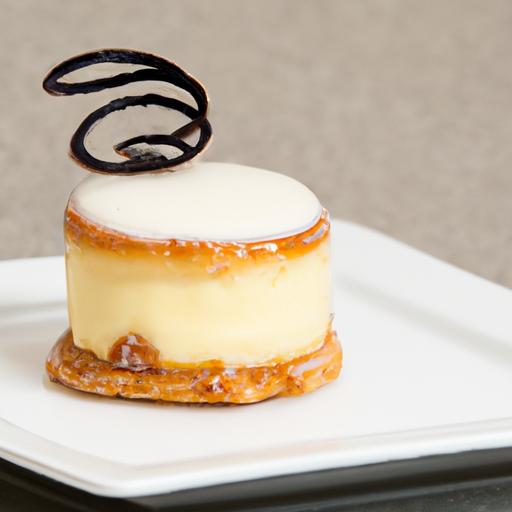
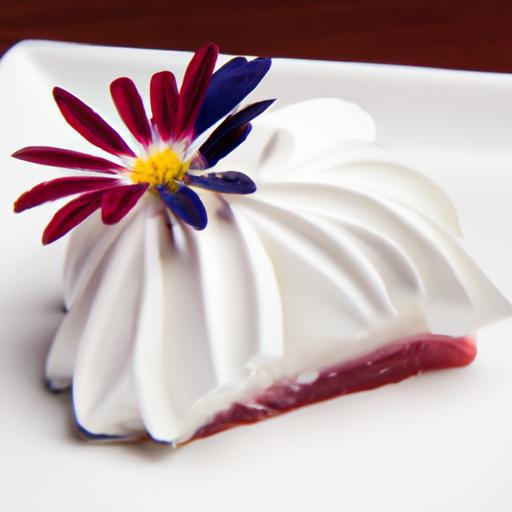
Present french desserts on delicate white porcelain plates to highlight their subtle golden hues and glossy custard finish. A dusting of powdered sugar, a few fresh berries, or a sprig of mint adds color and elegance. For extra flair, drizzle with a thin ribbon of fruit coulis or glaze and accompany with a dollop of lightly whipped cream infused with a hint of vanilla or lavender.

Essential Tools and Ingredients Every Aspiring French Pastry Chef Should Know
A well-equipped kitchen empowers you to bring Sweet Secrets: Mastering French Dessert Basics with Flair to life.Key tools include a heavy-duty rolling pin, pastry cutter, fine mesh sieve, silicone spatula, and quality tart pans. Sourcing fresh, high-quality ingredients like European-style butter, organic vanilla beans, and farm-fresh eggs profoundly influences the final taste and texture.
Nutritional Details (per serving)
| Calories | Protein | Carbs | Fat |
|---|---|---|---|
| 320 kcal | 5 g | 35 g | 18 g |
For deeper insights into classic French pastry methods, visit Le Cordon Bleu. To explore othre delightful French desserts, check out our French Dessert Recipes Collection.
Q&A
Q&A: Sweet Secrets – Mastering French Dessert basics with Flair
Q1: Why are French desserts considered the gold standard in the world of sweets?
French desserts have a legendary reputation because they marry technique with artistry. From the flaky layers of a mille-feuille to the delicate tenderness of a crème brûlée, French patisserie celebrates precision, patience, and passion.Each dessert is a testament to centuries of refined craftsmanship, where flavor and texture dance in perfect harmony.Q2: What are the essential French dessert basics every aspiring pastry chef should learn?
to unlock the door to classic French desserts,mastering a few foundational skills is key: creating silky custards like crème anglaise,perfecting pâte sablée (sweet shortcrust pastry),working with choux pastry for éclairs and profiteroles,and getting comfortable with tempering chocolate. These building blocks open up a universe of possibilities to add your own creative touch.
Q3: How can one add flair to traditional French desserts without compromising authenticity?
flair means blending respect for tradition with your unique spark. Think seasonal twists-like incorporating lavender or yuzu into a classic crème brûlée-or playful presentations, such as miniature fruit-topped tarts or edible gold leaf accents. It’s about understanding the core techniques and then gently bending them to express your personal style, inviting fresh flavors and unexpected textures.
Q4: What’s the best way to avoid common pitfalls when starting with French desserts?
French desserts demand patience and precision, so rushing is the enemy. Common pitfalls include overmixing batter,underbaking delicate pastries,or improperly tempering chocolate. To avoid these, follow recipes closely at first, invest in good-quality ingredients, and practice key techniques like folding and whipping until they feel second nature. Remember, each “failure” is a sweet step toward mastery.
Q5: Can beginners realistically achieve impressive results at home without professional tools?
Absolutely! While professional kitchens have specialized equipment, many essential French desserts rely on skills and simple tools-a good whisk, mixing bowls, a sturdy spatula, and an oven with consistent temperature. The magic lies in technique and attention to detail. With practice, even a humble home kitchen can produce éclairs that make mouths water and tarts that look magazine-ready.
Q6: Which French dessert would you recommend as a signature starting point for those new to patisserie?
Starting with the classic chocolate mousse is a brilliant idea. Its luscious texture and rich flavor showcase foundational skills like whipping cream and folding ingredients gently. Plus, it’s forgiving and swift to make, offering immediate, satisfying results that boost confidence while introducing you to the elegance of French desserts.
Q7: how does mastering French desserts influence overall cooking skills?
Delving into French desserts sharpens your understanding of ingredients, temperature control, and timing, which ripple into all areas of cooking. The discipline required improves your palate,making you more attuned to balance and harmony in flavors. Ultimately, it cultivates patience and precision, invaluable traits for any culinary adventure.
Mastering French dessert basics is like learning a lavish, sweet language-once you understand the vocabulary, you can compose your own delicious poetry with flair and finesse. Bon appétit!
Insights and Conclusions
As you close the chapter on these sweet secrets, remember that mastering French desserts is both an art and an adventure-a delicate dance between precision and passion. With each flaky pastry and velvety crème, you’re not just creating desserts; you’re crafting stories steeped in tradition, elegance, and flair.So don your apron with confidence, embrace the subtle alchemy of butter and sugar, and let your kitchen become a stage where classic French basics are transformed into dazzling delights. After all, the sweetest victories are those savored bite by bite. Bon appétit!