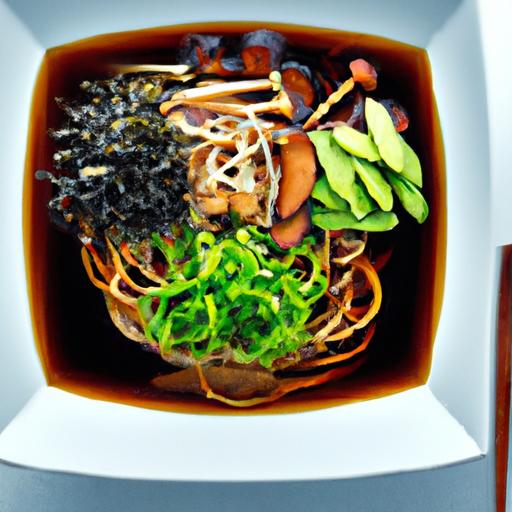
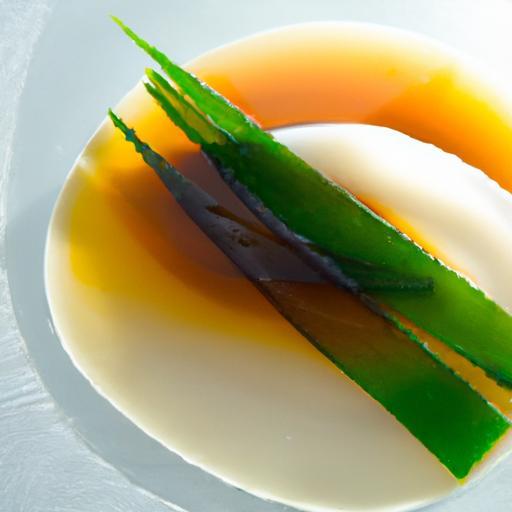

In the heart of Japanese kitchens, a quiet alchemy unfolds-a simple paste turning humble ingredients into culinary magic.Miso, the unassuming blend of fermented soybeans, rice, or barley, holds within it a world of flavor that transcends the ordinary. Often celebrated as the soul of Japanese cuisine, miso is more than just a seasoning; it is a key that unlocks the elusive umami taste, the fifth flavor that deepens and enriches every dish it touches. Journey with us as we delve into the history,science,and artistry behind miso,revealing how this ancient ingredient continues to shape and define the vibrant flavors of Japan’s gastronomic heritage.
Unlocking miso’s potential can transform everyday meals into layered umami masterpieces that celebrate centuries of japanese culinary tradition. This fermented soybean paste, rich in history and complex flavor, is more than a seasoning-it’s a living expression of culture and taste that enhances everything from soups to marinades.
Prep and Cook Time
Prep: 10 minutes | Cook: 20 minutes | Total: 30 minutes
Yield
Serves 4 generously
Difficulty Level
Easy – Perfect for home cooks seeking to deepen their flavor repertoire
Ingredients
- 4 cups dashi stock (or vegetable broth for a vegetarian option)
- 3 tbsp white miso paste (shiromiso)
- 100g silken tofu, cubed
- 1 cup wakame seaweed, rehydrated
- 2 tbsp chopped green onions (scallions)
- 1 cup thinly sliced shiitake mushrooms
- 1 tbsp mirin (optional, for subtle sweetness)
- Freshly grated ginger, a small pinch (optional)
Instructions
- Prepare the broth: Heat the dashi stock gently in a medium saucepan over medium heat until simmering. Avoid boiling to preserve delicate flavors.
- Sauté mushrooms: In a separate small skillet, lightly sauté the shiitake mushrooms with a splash of oil until tender and aromatic, about 5 minutes. Set aside.
- Mix miso: Place the miso paste in a small bowl and ladle a few tablespoons of warm broth over it. Stir until smooth and fully dissolved-this step prevents clumps and maintains the broth’s clarity.
- Combine and simmer: slowly stir the miso mixture back into the pot with the main broth. Add the sautéed mushrooms, wakame seaweed, and mirin (if using). Simmer gently for 3 minutes, ensuring the broth does not boil to preserve the probiotics in miso.
- Add tofu and finish: Gently fold in the silken tofu cubes and heat through for 2 minutes.Remove from heat immediatly to avoid curdling.
- Garnish and serve: Ladle the soup into bowls,sprinkle with chopped green onions,and add a tiny pinch of freshly grated ginger for brightness,if desired.
Chef’s Notes
- variety plays a role: For heartier dishes, try red miso (akamiso), which offers a deeper, earthier flavor perfect for stews. White miso is milder and ideal for delicate soups.
- Storage tip: Keep miso refrigerated in an airtight container for up to 6 months. A thicker paste might crystallize on top-simply stir before use.
- Make ahead: Miso soup is best enjoyed fresh but can be prepared a few hours ahead.Always add miso paste at the last minute to retain its umami and probiotic qualities.
- Warming technique: Never boil miso; its complex enzymes break down under high heat,which dulls flavor and benefits.
- Substitutions: If you can’t find wakame, substitute with spinach or kale for a fresh green element.
Serving Suggestions
This comforting miso soup pairs beautifully with steamed rice and grilled fish for a soothing traditional meal. Add a sprinkle of toasted sesame seeds or a drizzle of chili oil for a subtle textural contrast. For a multi-course dinner, serve as an umami-packed starter alongside homemade gyoza or tempura vegetables. Brighten the presentation by garnishing with delicate shiso leaves or thin lemon zest curls.

| Nutrient | Per Serving |
|---|---|
| Calories | 95 kcal |
| Protein | 8 g |
| Carbohydrates | 6 g |
| Fat | 3 g |
Harnessing the depth of miso’s flavor in yoru kitchen opens a world of balanced umami. To dive deeper into Japanese fermentation techniques and discover creative ways to incorporate miso into your meals, visit our in-depth guide on Japanese Fermentation Techniques. For a comprehensive history and scientific explanation, check out the detailed resource at National Geographic.
Q&A
Unlocking Miso: the umami Secret of Japanese Cuisine – Q&A
Q1: What exactly is miso, and why is it considered an umami powerhouse?
A1: Miso is a traditional Japanese paste made from fermented soybeans, often combined with rice or barley. This fermentation process breaks down proteins into amino acids like glutamate, the very compound responsible for umami – the savory “fifth taste.” Think of miso as nature’s flavor amplifier, turning simple dishes into rich, deeply satisfying experiences.
Q2: How has miso shaped Japanese culinary culture throughout history?
A2: Miso’s roots stretch back over a thousand years,originally crafted as a way to preserve soybeans and add nutrition to humble meals. Over centuries, it blossomed into a culinary staple, transforming everything from soups to marinades. It’s more than an ingredient-it’s a cultural symbol of comfort,tradition,and balance,embodying Japanese respect for natural flavors.
Q3: Are there different types of miso, and how do their flavors vary?
A3: Absolutely! Miso’s personality shifts with its color and aging process. White miso (shiro) is mild and sweet,perfect for delicate dishes. Red miso (aka) is aged longer, packing a bold, robust punch. There’s also barley miso (mugi), which offers a nutty, earthy depth. Each variety invites chefs to explore unique flavor landscapes within the umami universe.
Q4: How can home cooks unlock the magic of miso in their everyday meals?
A4: Miso’s versatility is its secret weapon. Stir a spoonful into soups, dressings, or marinades for instant depth. Blend it with butter or mayonnaise for an umami boost on toast or grilled veggies. Remember: miso is salty, so adjust salt carefully. The key is to treat it gently-heat too long can dull its nuanced flavors but adding it near the end of cooking preserves its essence.
Q5: Beyond taste, does miso offer any health benefits?
A5: Indeed! Miso is packed with probiotics thanks to fermentation, supporting gut health. it’s also a good source of vitamins, minerals, and plant-based protein. While it’s rich in sodium, moderate consumption fits well into balanced diets, aligning deliciousness with wellness-a tasty harmony much like Japanese cuisine itself.
Q6: Why is miso considered the “secret” to umami, and how does it differ from other umami-rich ingredients?
A6: Miso is like a symphony of umami compounds, combining glutamates, inosinate, and guanylate, making it more complex than single-ingredient umami sources like soy sauce or mushrooms. Its fermentation creates a layered savoriness that unfolds on the palate,making it a secret weapon for chefs seeking depth beyond simple saltiness.
Q7: Can miso be incorporated into non-Japanese dishes?
A7: Definitely! Miso’s umami magic transcends cuisine borders. Blend it into béchamel for a subtle savory twist, add to chili for richness, or whisk into vinaigrettes to elevate salads. Its adaptability invites culinary creativity, turning everyday meals into flavor adventures that surprise and delight.
Q8: How can one store miso to maintain its freshness and flavor?
A8: Miso loves cool comfort. Store it tightly sealed in the refrigerator to preserve its probiotics and prevent drying.Since it ferments slowly even when chilled, over time its flavor can deepen-a welcomed evolution for many. just avoid contamination with wet utensils and enjoy miso’s evolving charm over weeks or months.
Unlocking miso is like opening a door into Japan’s soul-a gateway to umami that invites both reverence and play. whether your a curious beginner or an adventurous cook, miso holds a timeless secret: that the simplest ingredients, transformed with patience, can ignite extraordinary flavor journeys.
The Conclusion
As we peel back the layers of miso’s rich history and complex flavors, it becomes clear that this humble paste is far more than a simple seasoning-it’s the umami heartbeat of Japanese cuisine. Whether stirred into a steaming bowl of soup, glazed over grilled fish, or blended into dressings and marinades, miso transforms ordinary dishes into extraordinary experiences.Unlocking its secrets opens the door to a world where depth, tradition, and taste converge, inviting both cooks and food lovers alike to savor the magic hidden within every spoonful.Embracing miso is not just about flavor-it’s a journey into the soul of Japan’s culinary artistry.