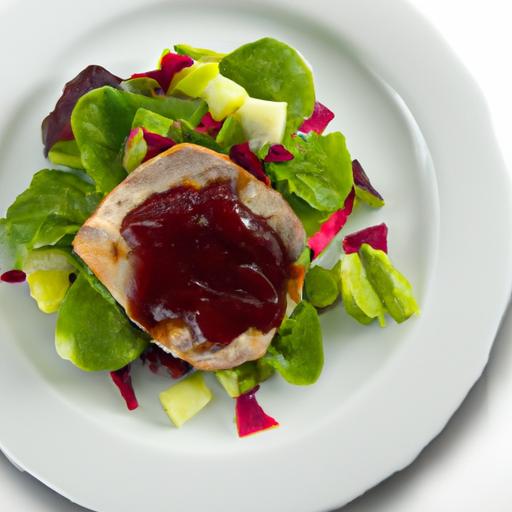
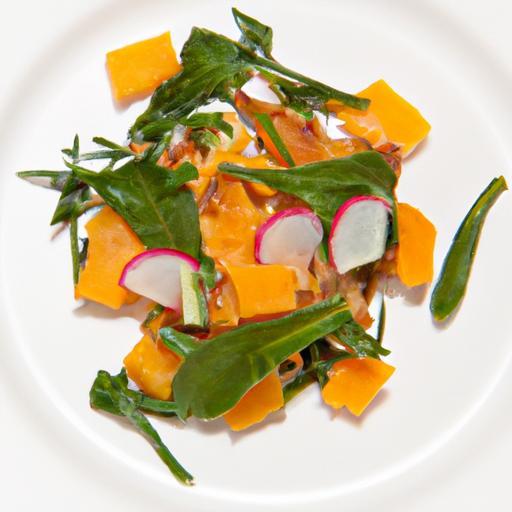

In the realm of culinary artistry, texture is as vital as flavor, and few textures captivate the palate quite like a perfectly smooth purée. Whether nestled beneath a seared scallop or swirled alongside roasted vegetables, a silken purée transforms a dish from simple to sublime. Yet achieving that flawless, velvety consistency-one that rivals the work of top-tier chefs-can be as elusive as it is rewarding. Join us as we unravel the secrets to mastering silky smooth purées, guiding you through techniques, tools, and tips to elevate your kitchen creations to resturant-quality refinement. Prepare to immerse your dishes in a world where smoothness speaks volumes.
Mastering silky smooth textures in purées is both an art and a science. Behind every velvety spoonful lies a careful balance of ingredient selection, precise techniques, and thoughtful flavor harmonies. Whether you’re aiming for a luscious vegetable purée or a decadent fruit base, understanding the basic principles elevates your creation from ordinary to restaurant-quality brilliance.
Prep and Cook Time
- Readiness: 15 minutes
- Cooking: 30 minutes
- Total: 45 minutes
Yield
- Serves 4-6 as a side or component
Difficulty Level
- Medium
ingredients
- 1 lb Yukon Gold potatoes, peeled and diced - for a creamy base with natural starch
- 2 cups low-sodium vegetable broth - adds moisture without diluting flavor
- 1/2 cup heavy cream – for richness and silkiness
- 2 tbsp unsalted butter – enhances mouthfeel and taste
- salt, to taste – essential to balance flavors
- White pepper, to taste – gentle and subtle heat
- Optional: Fresh herbs (thyme or chives), finely chopped - to add freshness and aroma
Instructions
- Prepare the base ingredients: Start by peeling and dicing your Yukon Gold potatoes into uniform 1-inch cubes to ensure even cooking.
- Cook potatoes gently: Place the potatoes in a pot with the vegetable broth and bring to a gentle simmer. Cook until potatoes are fork-tender, about 20 minutes. Avoid boiling vigorously to prevent waterlogging, which affects texture.
- Drain and dry: Carefully remove potatoes from the broth and set aside. Reserve the broth for adjusting consistency later.
- Initial blending: Transfer the warm potatoes to a food mill or fine mesh sieve and push through to create a smooth, lump-free base. If you prefer using a high-quality blender or immersion blender, blend in small batches to maintain control and avoid incorporating too much air.
- Incorporate fat and dairy: Slowly whisk butter and heavy cream into the purée while it’s still warm. This combination is key to creating a luscious, silky texture. Add a little reserved broth if needed to achieve your desired consistency, stirring gently.
- Season carefully: Add salt and white pepper gradually, tasting as you go to enhance but not overwhelm the natural flavor.
- Final refinement: For that extra velvety finish, pass the purée through a fine sieve or tamis using a rubber spatula. This step achieves restaurant-quality smoothness that feels indulgent on the palate.
- Warm and serve: Gently reheat the purée over low heat if needed, stirring slowly to avoid lumps and maintain the luxurious silkiness.
Tips for Success
- Select the right potatoes: Yukon Golds provide a naturally creamy texture due to their medium starch content.Russets can be used but may require adjustments in liquid.
- Maintain temperature control: Blending warm ingredients helps emulsify fat and dairy smoothly; cold components can lead to separation or graininess.
- Tool choice matters: A food mill produces the smoothest textures compared to standard blenders or processors. If using a blender, work in batches and pulse lightly.
- Customize flavor profiles: Swap vegetable broth for chicken broth for richness, or add roasted garlic for sweetness and depth.
- Make ahead tip: Purée can be prepared up to 24 hours in advance and gently reheated. Stir gently and add additional cream or broth to refresh consistency.
- Troubleshooting: If your purée appears too dense, thin carefully with warm broth rather of water for flavor integrity. If gritty, try an extra pass through the sieve.
Serving Suggestions
for a professional presentation,spoon the silky smooth purée onto warmed plates,creating gentle peaks with the back of a spoon.Garnish with finely chopped fresh herbs like chives or thyme and a drizzle of high-quality extra virgin olive oil or browned butter,which adds a nutty aroma and glossy finish.
This purée makes an exquisite bed for seared scallops, roasted meats, or grilled vegetables. For a pop of color, top with microgreens or a light sprinkle of smoked paprika.

| Nutrient | Amount per Serving |
|---|---|
| Calories | 180 kcal |
| Protein | 3 g |
| Carbohydrates | 25 g |
| Fat | 7 g |
Elevate your culinary repertoire by mastering these key insights into crafting purées. For more on complementary techniques, explore our sauce-making guide. For scientifically-backed food texture tips, visit Science Daily’s Food Science page.
Q&A
Q&A: Mastering Silky Smooth – Crafting Restaurant-Quality Purées
Q1: What makes a purée “restaurant-quality” compared to a regular homemade purée?
A1: Restaurant-quality purées go beyond just blending ingredients. The hallmark is an ultra-silky, velvety texture without any graininess or lumps, paired with a perfectly balanced flavor profile that enhances the dish.They’re meticulously strained, seasoned thoughtfully, and frequently enough enriched with fats like butter or cream to achieve that luxurious mouthfeel.
Q2: Which ingredients lend themselves best to creating smooth purées?
A2: Starchy vegetables like potatoes, carrots, parsnips, and cauliflower are classic choices because their natural starch helps create a creamy base. Fruits like apples and pears purée well when cooked soft. Legumes like chickpeas and white beans also yield beautifully smooth textures after thorough cooking and blending.
Q3: How important is the cooking method before blending?
A3: crucial! Properly cooked ingredients form the foundation for a smooth purée. Steaming or simmering until tender ensures softness without excess water, which can dilute flavor and watery texture. Overcooking can break down fibers too much and lead to graininess, so timing is key.
Q4: Which tools are essential for achieving that silky finish?
A4: Start with a high-powered blender or food processor to break down the ingredients thoroughly. Then, for restaurant-level refinement, pass the purée through a fine sieve or chinois. This extra step removes any remaining fibrous bits, producing that signature silken texture.
Q5: Are there any secret techniques chefs use to enhance texture and flavor?
A5: Absolutely. Many chefs incorporate warm butter or cream late in the process to enrich the purée’s body. Others add a splash of flavorful broth or a touch of acid-lemon juice or vinegar-to brighten the flavor. Whipping a bit of potato starch or using a handheld immersion blender for final smoothing also helps perfect consistency.
Q6: How can I prevent purées from turning gritty or gluey?
A6: Avoid undercooking ingredients and don’t over-blend-both can cause unwanted graininess or gummy textures. Also, steer clear of adding too much starch or cold liquid abruptly.Gradual incorporation of fats and liquids at a warm temperature ensures harmony in texture.
Q7: Can purées be prepared in advance and reheated without losing quality?
A7: Yes! Store purées in airtight containers in the refrigerator for up to 2 days. To reheat, gently warm on low heat while stirring, adding a little stock or cream to restore silkiness if needed. Avoid microwave reheating when possible-it tends to dry out or separate the purée.
Q8: What’s a simple starter purée recipe for beginners wanting to master silky smooth textures?
A8: Begin with classic potato purée: boil peeled Yukon Gold potatoes until fork-tender, drain well, then blend with warm milk, a knob of butter, salt, and pepper. Pass through a fine sieve to finish, and voilà-a creamy, velvety base that’s forgiving, versatile, and flavorful.
Mastering the art of silky smooth purées is both a science and a craft-a rewarding journey that elevates humble ingredients into luxurious accompaniments worthy of any fine dining table. Happy blending!
Wrapping Up
As you embark on your journey to master the art of silky smooth purées, remember that patience and precision are your closest allies. From selecting the freshest ingredients to perfecting your blending techniques, each step brings you closer to that flawless, restaurant-quality finish. With practice, your purées won’t just be sides-they’ll be the stars of the plate, elevating every dish with their velvety texture and vibrant flavor. So, sharpen your knives, fire up your blender, and let your culinary creativity flow smoothly, one purée at a time.