
As spring’s vibrant colors begin to bloom and teh air fills with the promise of renewal, Easter arrives-bringing with it cherished traditions and festive gatherings. Among these celebrations, the aroma of freshly baked bread frequently enough weaves through the home, symbolizing warmth, family, and togetherness. But for those navigating gluten sensitivities or embracing a gluten-free lifestyle, enjoying this classic holiday delicacy can be a challenge. Enter gluten-free Easter bread: a delicious holiday twist that allows everyone to share in the joy of the season without compromise. In this article, we’ll explore how to create a moist, flavorful, and beautifully risen Easter bread that honors tradition while catering to modern dietary needs-proving that the spirit of the holiday is truly for everyone.
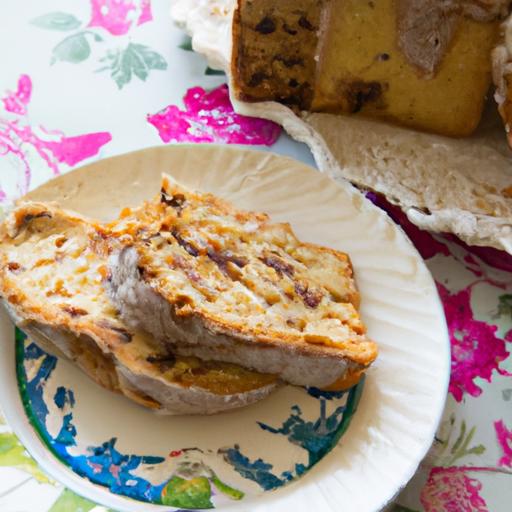
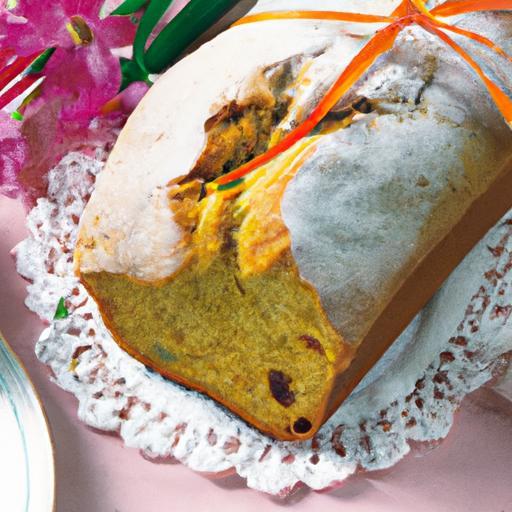
Gluten-Free Easter Bread offers a delightful holiday twist that brings warmth, tradition, and vibrant flavors to your festive table.This softly risen bread’s tender crumb, subtly infused with citrus, anise, and honey, honors the timeless holiday spirit while embracing the needs of gluten-free baking. Inspired by generations of celebratory baking yet carefully adapted for today’s dietary preferences, this recipe promises a soft, flavorful loaf that rises beautifully, welcoming both family and friends to your Easter feast.
Prep and Cook Time
- Planning: 30 minutes
- Rising Time: 1 hour 30 minutes
- Baking Time: 35-40 minutes
- Total time: Approximately 2 hours 40 minutes
Yield
1 large loaf (serves 8-10)
Difficulty Level
Medium – Suitable for bakers cozy with yeast-based recipes and eager to experiment with gluten-free flours
Choosing the Perfect Gluten-Free Flours for a Soft and Flavorful Easter Bread
Achieving a soft and aromatic loaf in gluten-free baking hinges on the flour blend. For this Gluten-Free Easter Bread, a combination of gluten-free all-purpose flour (ideally one with xanthan gum included), sweet rice flour, and tapioca starch creates a tender crumb with enough elasticity to trap air for a good rise.Sweet rice flour adds moisture and a slightly sticky texture mimicking gluten’s binding effect, while tapioca starch enhances chewiness and contributes to the loaf’s golden crust.Avoid relying solely on almond or coconut flour as they produce a denser loaf and can overshadow the delicate holiday flavors.
Incorporating Traditional Holiday Flavors into Your Gluten-Free Bread Recipe
To make your bread unmistakably festive, use a warm aromatic blend of anise seeds, fresh lemon zest, and a subtle drizzle of honey. Anise seeds provide the unmistakable sweet licorice note typical of Easter breads across the Mediterranean, while lemon zest brightens the loaf with fresh, citrusy undertones. A touch of honey gently sweetens the dough and enhances the crust’s color. Incorporate a hint of pure vanilla extract to round out the flavor profile, giving each slice a comforting depth perfect for holiday mornings.
Ingredients
- 1 ¾ cups gluten-free all-purpose flour (with xanthan gum included)
- ½ cup sweet rice flour
- ¼ cup tapioca starch
- 2 ¼ tsp active dry yeast (1 packet)
- ½ cup warm milk (or almond milk, warmed to 110°F)
- ⅓ cup granulated sugar
- 2 large eggs (room temperature)
- ¼ cup melted unsalted butter (plus extra for greasing)
- 2 tbsp honey
- 1 tbsp anise seeds
- 1 tbsp lemon zest (freshly grated)
- 1 tsp pure vanilla extract
- ½ tsp salt
- Optional: sliced almonds, colored sprinkles, or pearl sugar for topping
Step-by-Step Guide to Baking gluten-Free Easter Bread That Rises Beautifully
- Activate yeast: In a small bowl, whisk warm milk with granulated sugar and yeast. Let sit for 5-7 minutes until foamy and bubbly.
- Mix dry ingredients: In a large bowl,combine gluten-free all-purpose flour,sweet rice flour,tapioca starch,anise seeds,lemon zest,and salt. Whisk to aerate evenly.
- Prepare wet ingredients: In a separate bowl, whisk eggs, melted butter, honey, and vanilla extract until smooth.
- Combine: Slowly pour the yeast mixture and wet ingredients into the dry ingredients. Stir thoroughly with a wooden spoon or dough hook until the dough is smooth and sticky but well combined. The dough will be more batter-like than traditional wheat bread dough - this is expected for gluten-free texture.
- First rise: Cover the bowl with a damp kitchen towel or plastic wrap. Let the dough rise in a warm spot for 1 to 1 ½ hours, until it has noticeably increased in size (though it won’t double exactly, the gentle rise is key).
- Shape the loaf: Lightly butter a 9-inch loaf pan. Scrape the dough into the pan and smooth the top with a wet spatula to prevent sticking.
- Second rise: Cover loosely and let rise for an additional 30 minutes. Meanwhile, preheat the oven to 350°F (175°C).
- bake: Bake the bread for 35-40 minutes, checking halfway.The crust should be golden brown and a toothpick inserted in the center should come out clean. for added shine, brush the top with melted butter immediately after baking.
- Cool: Let the bread cool in the pan for 10 minutes before transferring to a wire rack to cool fully. This prevents sogginess and helps retain the bread’s soft texture.
Creative Toppings and Fillings to Elevate Your Gluten-Free Holiday Bread Experience
To take your gluten-Free Easter Bread to new heights, consider swirling in a filling of chopped dried apricots and toasted walnuts or fold in dark chocolate chips for added surprise. Fresh herbs like rosemary or orange zest also add an unexpected twist.For topping, brush the loaf with beaten egg white and sprinkle sliced almonds or colorful spring-inspired nonpareils before baking to create a festive look. A light glaze made with powdered sugar, lemon juice, and a touch of vanilla can be drizzled over the cooled loaf for added elegance and sweetness.
Chef’s Notes & Tips for Success
- Flour Substitutions: If you don’t have sweet rice flour, substitute with more gluten-free all-purpose flour but expect a slightly different texture.
- Milk Alternatives: Almond, oat, or coconut milk can be used, but ensure they are unsweetened and warm for proper yeast activation.
- Yeast Proofing: Avoid hot liquids which can kill the yeast; maintain the temperature between 105-115°F.
- Make-ahead: Dough can be prepared and refrigerated overnight after the first rise. Bring it to room temperature before shaping and the second rise.
- Storage: Store leftover bread wrapped in foil at room temperature for up to 3 days or freeze sliced portions for up to one month.
- Visual Appeal: Use a kitchen torch lightly on the crust post-baking for a caramelized finish if desired.
Serving Suggestions
serve warm slices with a pat of whipped honey butter or alongside a vibrant berry compote for a refreshing balance. Pairing with a mild brie or mascarpone cheese plate elevates this bread to a delightful brunch centerpiece. Garnish the serving platter with edible flowers or thin lemon curls to echo the bread’s fresh citrus notes, enriching the Easter table with both flavor and festive charm.
| Nutritional Information (per slice) | calories | Protein | Carbs | Fat |
|---|---|---|---|---|
| Gluten-Free Easter Bread | 210 kcal | 5 g | 35 g | 6 g |
For more tips on gluten-free baking and holiday recipes,check out our gluten-free baking guide. To deepen your understanding of yeast science and baking chemistry, visit King Arthur Baking’s Bread Science Guide.

Q&A
Q&A: Gluten-free Easter Bread – A Delicious Holiday Twist
Q1: What makes Easter bread such a special holiday treat?
A: Easter bread is more than just a loaf; it’s a symbol of renewal and celebration. Traditionally rich, slightly sweet, and often adorned with colorful eggs or sprinkles, this bread brings families together, embodying the joy and hope of the season.It’s aroma alone can fill a home with warmth and festive cheer!
Q2: why go gluten-free for Easter bread?
A: Whether you’re gluten-intolerant, have celiac disease, or simply want to explore healthier options, gluten-free Easter bread offers an inclusive way to enjoy this beloved tradition.Plus,it’s a fantastic opportunity to riff on classic recipes,infusing new flavors and textures while keeping the spirit of the holiday alive.
Q3: How does gluten-free Easter bread differ in texture and taste from traditional versions?
A: Gluten-free bread can be just as soft and fluffy, though its crumb might be slightly denser depending on the flour blend used. Taste-wise, it often has a nutty, wholesome undertone thanks to ingredients like almond or rice flour. When mixed with traditional spices, citrus zest, and a touch of sweetness, it becomes a delightful twist that’s both familiar and refreshingly unique.Q4: What are some key ingredients to use in gluten-free Easter bread?
A: A good gluten-free flour mix (frequently enough a blend of rice, tapioca, and potato starch), xanthan gum or guar gum for binding, eggs for structure, and natural sweeteners like honey or maple syrup. Don’t forget flavor boosters like orange zest, anise seeds, or vanilla extract to elevate the bread’s festive charm.
Q5: Can I decorate gluten-free Easter bread the same way as traditional versions?
A: Absolutely! You can braid the dough, nest colorful dyed eggs in the center, or sprinkle it with pearl sugar and edible flowers. Just be mindful with handling – gluten-free doughs tend to be a bit stickier or more delicate, so a gentle touch and some extra flouring help ensure your design stays picture-perfect.
Q6: Any tips for baking gluten-free Easter bread successfully?
A: Patience and precision are key. Let the dough rise fully to develop flavor and softness, and avoid overbaking to keep it moist. Using room-temperature ingredients and a warm, draft-free spot for rising will make your bread light and tender. And remember, every gluten-free flour blend behaves a little differently-experiment to find your perfect match!
Q7: Where can I find inspiration or recipes for gluten-free Easter bread?
A: Many food bloggers and cookbook authors now specialize in gluten-free baking, offering innovative twists on traditional holiday breads. Websites like Gluten-Free Goddess or the Celiac Disease Foundation provide foolproof recipes, tips, and community support to help you create a gluten-free Easter masterpiece.
Q8: How can gluten-free easter bread add meaning to my holiday celebration?
A: By embracing a gluten-free version, you’re opening the table to everyone, ensuring no one feels left out of the festive feast.It’s a delicious reminder that tradition can evolve, making room for new tastes, health needs, and joyful memories shared around a beautifully baked loaf. Ultimately, it’s about honoring heritage while welcoming fresh beginnings-just like Easter itself.
Future Outlook
As the aroma of freshly baked gluten-free Easter bread fills your kitchen, you’re not just crafting a treat-you’re creating a new family tradition rooted in warmth, flavor, and inclusivity. Whether you’re accommodating dietary needs or simply exploring a fresh twist on holiday classics, this gluten-free delight proves that festive breads can be just as comforting and celebratory without gluten. So this Easter, let your table shine with a loaf that’s both nourishing and joyous-a true testament to how culinary creativity can transform timeless customs into delicious, healthful memories. Happy baking, and even happier holidays!