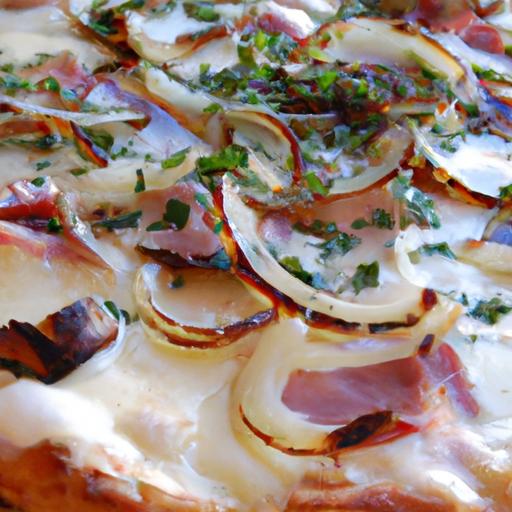
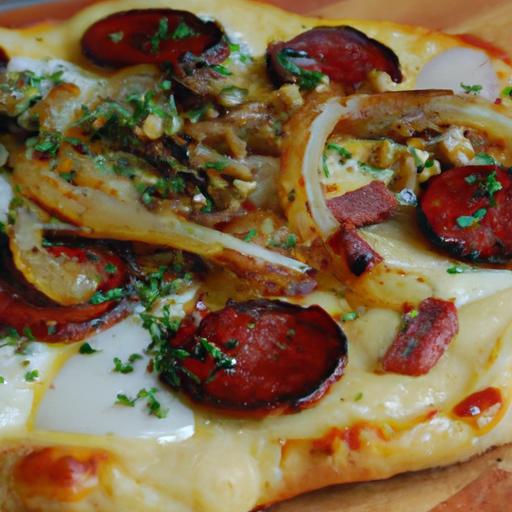

Nestled in the heart of the Alsace region, where French finesse meets German tradition, lies a culinary gem that has quietly captured the palates of food lovers worldwide: the tarte flambée. Frequently enough enchanting visitors as an unexpected cousin to pizza, this thin, crisp flatbread topped with creamy fromage blanc, smoky lardons, and fragrant onions offers a symphony of flavors in every bite.”Tarte Flambée Unveiled: The Alsatian Pizza You Must Try” invites you on a flavorful journey to discover the history, secrets, and irresistible charm of this regional masterpiece that deserves a spotlight on your dining table. Whether you’re a seasoned foodie or a curious adventurer, prepare to fall in love with Alsace’s moast flavorful tradition.
tarte Flambée is a culinary gem from the Alsace region, where French finesse meets German heartiness in a thin, crisp, and irresistibly savory flatbread. Known locally as Flammekueche, this dish combines a delicate crust with a luscious blend of crème fraîche, tangy fromage blanc, and smoky lardons, creating a flavor profile that is both simple and distinctive. My first encounter with Tarte Flambée was at a rustic Alsatian inn nestled among vine-clad hills, and the smoky aroma paired with its crisp texture left an indelible mark on my palate. Today, this regional specialty invites home cooks to bring a slice of Alsace into their kitchens, combining traditional ingredients with approachable technique for perfect results every time.
Prep and Cook Time
Planning: 20 minutes | Resting Dough: 1 hour | Cooking: 12-15 minutes
Yield
Serves 4 generous portions
Difficulty Level
Medium – Beginner cooks can achieve great results with attention to dough handling and timing.
Ingredients
- 1 cup (125g) all-purpose flour, sifted
- 1/2 teaspoon fine sea salt
- 1/3 cup (80ml) lukewarm water
- 1 tablespoon olive oil
- 1/4 teaspoon dry active yeast
- 1/2 cup (120g) crème fraîche
- 1/2 cup (120g) fromage blanc or substitue with Greek yogurt for tang
- 1 small white onion, peeled and thinly sliced
- 4 ounces (115g) lardons or bacon strips, diced
- Freshly ground black pepper, to taste
- Pinch of nutmeg (optional, for subtle warmth)
- Chopped chives or fresh parsley, for garnish
Instructions
- Activate the yeast: In a small bowl, combine the lukewarm water and dry yeast. Let it sit for 5-7 minutes until frothy.
- Prepare the dough: In a large mixing bowl, whisk together the sifted flour and salt. Make a well in the center, then pour in the yeast mixture and olive oil. Stir to combine forming a soft dough.
- Knead: Turn the dough onto a lightly floured surface and knead gently for about 8 minutes until smooth and elastic. Place the dough in a greased bowl, cover with a clean cloth, and allow to rise in a warm spot for about 1 hour or until doubled in size.
- Prepare the topping: While the dough rests, sauté the diced lardons in a skillet over medium heat until crisp, about 5 minutes. Remove and drain on paper towels.Lightly sauté the onions in the rendered fat until soft and translucent, approximately 3-4 minutes. Set aside.
- mix the crème fraîche and fromage blanc: In a bowl, combine the crème fraîche, fromage blanc, freshly ground black pepper, and optional nutmeg.Spread a thin layer evenly when assembling.
- Preheat the oven: Set your oven to 475°F (245°C) and place a baking stone or heavy baking sheet inside to heat.
- Shape the dough: Once risen, punch down the dough gently and roll it out on a floured surface into a thin rectangle or oval, about 1/8 inch thick.
- Assemble: transfer the rolled dough onto parchment paper for easy handling. Evenly spread the crème fraîche mixture over the dough, leaving a small border. Scatter the sautéed onions and crisp lardons atop the surface.
- Bake: Slide parchment and tart onto the preheated baking stone or sheet.Bake for 12-15 minutes or until the edges are golden and crisp and the topping bubbles slightly.
- Serve: Remove from oven, garnish with fresh chopped chives or parsley. slice and enjoy immediately for the perfect balance of crunch and creamy richness.
Tips for Success
- Dough resting: Allowing the dough to rise fully makes it stretchable and tender, essential for that signature crisp and light crust.
- Cheese substitutes: If fromage blanc is unavailable,tangy Greek yogurt or a blend of ricotta and sour cream can mimic the creamy texture.
- Onion slicing: Use a sharp knife or mandoline to ensure thin, even onion slices that cook evenly without burning.
- Make-ahead: You can prepare the dough and topping separately the day before. Assemble just before baking to maintain freshness.
- Choice toppings: Experiment with mushrooms, smoked salmon, or fresh herbs for creative variations while honoring Alsace’s essence.
Serving Suggestions
Serve your Tarte Flambée sliced into strips on rustic wooden boards for a casual yet elegant presentation. A crisp Alsatian Riesling or dry white wine perfectly complements the smoky bacon and tangy dairy toppings. Garnish with a sprinkle of fresh chives or a light drizzle of truffle oil for a modern twist. Pair it alongside a mixed greens salad dressed lightly with lemon vinaigrette to balance richness with freshness.
| Nutritional info (per serving) | Calories | Protein | Carbohydrates | Fat |
|---|---|---|---|---|
| Tarte Flambée | 350 kcal | 14 g | 28 g | 18 g |
Bringing the magic of French Alsace home is easier than ever when mastered step-by-step. For a deeper dive into using perfect dough techniques for French flatbreads,visit our Artisan French Dough Guide. For authenticity and culture, explore the detailed history of Alsatian cuisine through Wikipedia’s Alsatian Cuisine overview.

Q&A
Q&A: Tarte Flambée Unveiled – The Alsatian Pizza You Must try
Q1: What exactly is Tarte Flambée?
A1: Imagine a delicately thin, crisp crust dressed in a luscious coat of crème fraîche, sprinkled with sweet onions and smoky lardons. That’s Tarte Flambée-or Flammekueche in Alsatian dialect-a beloved specialty from the Alsace region of France that feels like the soulful sibling to pizza.It’s less doughy, more ethereal, and entirely irresistible.
Q2: How did Tarte Flambée originate?
A2: Rooted deep in Alsace’s rural traditions, Tarte Flambée was originally the humble bread baker’s snack.Bakers would roll out leftover dough and place it by the oven’s open flame to bake quickly, topped with local ingredients as a way to test oven temperatures. What began as a practical kitchen trick transformed over centuries into a celebrated regional delicacy.
Q3: is Tarte Flambée similar to pizza?
A3: While it’s often hailed as “alsace’s pizza,” Tarte Flambée is quite its own culinary creature. Unlike the chewy, tomato-sauced pizza, this dish boasts a paper-thin crust smothered in creamy crème fraîche-not tomato sauce-with a savory ensemble of onions and cured pork bits. The flavors are subtle yet powerful, offering a lighter, crispier alternative to classic Italian pizza.
Q4: What are the traditional toppings on Tarte flambée?
A4: The classic lineup includes crème fraîche (or fromage blanc), thinly sliced onions, and lardons-those smoky cubes of pork belly. Some variations add melted Munster cheese or fresh herbs, while others might venture into tart-sweet territory with apples or caramelized onions. Each topping plays a harmonious role,creating a balance of creamy,smoky,and tangy notes.
Q5: How is Tarte Flambée traditionally cooked?
A5: True to its fiery name, Tarte Flambée is baked at blistering hot temperatures-often in a wood-fired oven-where the dough crisps up in just minutes. The rapid bake preserves the delicate crunch and melds the toppings into a fragrant, blistered delight that’s best enjoyed piping hot.
Q6: where can I try authentic Tarte Flambée?
A6: The Alsace region is the pilgrimage site for Tarte Flambée aficionados, especially in towns like Strasbourg, Colmar, and Obernai. Many local winstubs (Alsatian taverns) serve this specialty alongside a glass of crisp Gewürztraminer or Riesling, elevating the experience. Outside France, select European bistros and specialty eateries may offer their own renditions, but nothing quite compares to the authentic Alsatian atmosphere.
Q7: Can I make Tarte Flambée at home?
A7: Absolutely! With some basic ingredients and a hot oven, you can bring a slice of Alsace to your kitchen. The key is rolling the dough paper-thin and balancing the toppings without overwhelming the crust. Recipes frequently enough emphasize patience and simplicity, allowing the natural flavors to shine through. Bonus points if you mimic the wood-fired flavor with a pizza stone or cast-iron skillet.
Q8: why should I try Tarte Flambée?
A8: Beyond its delightful taste, Tarte Flambée is a culinary story etched into every crispy bite-a testament to Alsace’s rich cultural tapestry, blending French finesse with German heartiness. Trying it is like stepping into a warm Alsatian kitchen, savoring history, tradition, and pure comfort all at once. If you love pizza, or simply crave something uniquely flavorful and texturally dazzling, Tarte Flambée is a must-try revelation.
Ready to embark on your flavorful journey? Find Tarte Flambée on your next Alsatian adventure-or dare to recreate this crispy treasure at home, and savor the “pizza” that’s truly one of a kind.
Final thoughts
Whether you’re a seasoned foodie or a curious traveler, Tarte Flambée invites you to experience Alsace in every bite-its thin, crispy crust topped with a creamy blend of fromage blanc, onions, and smoky lardons tells a story of tradition and comfort. More than just a regional specialty, this “Alsatian pizza” bridges the familiar with the unique, promising a delicious detour from the ordinary. So next time you crave something fresh yet rooted in history, let Tarte Flambée be your flavorful guide to a corner of France where simplicity meets culinary charm. Bon appétit!