
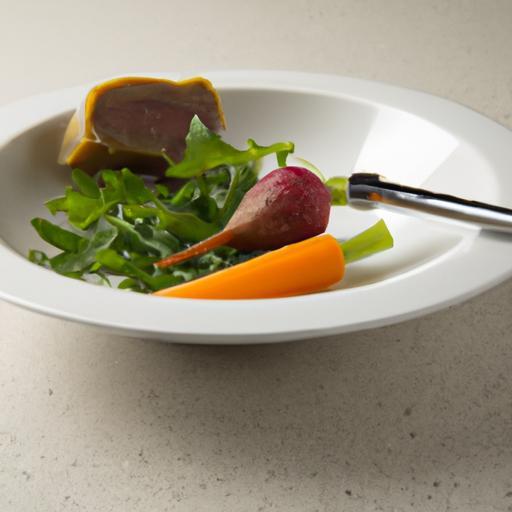

In the world of culinary techniques, few methods embody the art of precision like sous vide.This revolutionary cooking style promises perfectly cooked dishes, every time-juicy steaks, tender vegetables, and silky custards that seem almost impossibly flawless. Yet,even the most seasoned home chefs can find themselves tangled in the intricacies of temperature settings,timing quirks,or elusive texture goals. Welcome to “Mastering Precision: Your Guide to Sous Vide Troubleshooting,” where we unravel the mysteries behind common pitfalls and arm you with practical solutions. Whether you’re just beginning your sous vide journey or looking to refine your craft, this guide will empower you to take control of your water bath, dial in perfect results, and transform kitchen frustrations into culinary triumphs.
Mastering precision is essential when diving into the world of sous vide cooking. This method, known for its consistent and tender results, thrives on exact temperature control and timing-but even seasoned cooks run into challenges. from subtle temperature fluctuations to equipment quirks, understanding these pitfalls can transform your culinary creations from good to stunning. Let’s explore how to achieve flawless sous vide results by fine-tuning your technique, troubleshooting common issues, and elevating flavors and textures with expert tips.
Prep and Cook Time
- Planning: 10 minutes
- Cooking: 1 to 4 hours (depending on recipe)
- Total Time: 1 hour 10 minutes to 4 hours 10 minutes
Yield
Serves 4
Difficulty Level
Medium
Ingredients
- 1 lb (450g) boneless chicken breast, trimmed
- 2 sprigs fresh thyme
- 2 cloves garlic, smashed
- 1 tbsp olive oil
- Salt and freshly ground black pepper, to taste
- Fresh lemon zest, for garnish
- Optional: 1 tbsp unsalted butter for finishing
Instructions
- Preheat your sous vide immersion circulator to 145°F (63°C). Consistency in reaching and maintaining this precise temperature enables perfect doneness, especially with delicate proteins like chicken breast.
- Season the chicken breast liberally with salt and pepper on all sides. Place the chicken, thyme sprigs, garlic, and olive oil into a vacuum seal bag, arranging everything flat for even cooking.
- Vacuum seal the bag using a chamber vacuum sealer or displacing air with the water immersion method. Proper sealing prevents water infiltration and ensures predictable heat transfer during cooking.
- Immerse the sealed bag in the water bath, ensuring it’s fully submerged but not touching the container’s edges. Cook for 1.5 to 2 hours. Avoid overcrowding the bath to uphold temperature stability.
- Once cooked,carefully remove the bag from the bath and transfer the chicken to a plate. Pat dry with paper towels to promote browning in the next step.
- Heat a skillet over medium-high heat and add butter if desired. Sear the chicken for 30-60 seconds per side until a golden crust forms, enhancing flavor and texture contrast.
- Slice the chicken and garnish with fresh lemon zest and a sprinkle of thyme leaves for a bright finish. Serve instantly for the best texture.
Tips for Success
- Temperature precision is key: Always verify your immersion circulator’s accuracy using an instant-read thermometer. Calibrate or adjust settings as needed to avoid under- or over-cooking.
- Timing matters: Slight variations can dramatically alter texture. For tender, juicy chicken, do not exceed 4 hours at 145°F, or it may develop a mushy mouthfeel.
- Troubleshoot low water circulation: insufficient water movement causes hot or cold spots. clear away obstructions around the circulator and avoid overcrowding bags.
- Maintain food safety: Always handle vacuum-sealed bags gently and keep cooked food refrigerated promptly. Consider sous vide pasteurization charts from USDA Food Safety and Inspection Service for precise timing guidelines.
- Elevate flavor: Infuse sous vide bags with herbs, spices, or citrus zest before sealing. For enhanced texture, finish proteins with a quick pan sear or torch to add a delicate crust.
- Make ahead: Cook in advance, then shock in an ice bath for up to 48 hours before finishing. This maintains perfect temperature control and maximizes weeknight meal convenience.
Serving Suggestions
Present your perfectly cooked sous vide chicken atop a bed of vibrant sautéed spinach or creamy risotto to contrast tender texture with rich sides. Garnish with microgreens or a drizzle of herb-infused olive oil for an elegant touch. Pair with a crisp white wine like Sauvignon Blanc or lightly citrusy Chardonnay for a harmonious flavor experience.

| Nutrient | per Serving |
|---|---|
| Calories | 230 kcal |
| Protein | 43 g |
| Carbohydrates | 1 g |
| Fat | 5 g |
For further inspiration on sous vide excellence and precision cooking techniques,explore our Ultimate Sous vide Guide and expand your culinary mastery.
Q&A
Q&A: Mastering Precision – Your Guide to Sous Vide Troubleshooting
Q1: What is the biggest challenge most people face when starting with sous vide cooking?
Answer: Precision. Unlike conventional cooking, sous vide demands exact temperatures maintained over time. Newbies frequently enough struggle with inconsistent water temperature or improperly sealed bags, leading to uneven cooking. Mastering the art of precision means trusting the process-set it right, seal it tight, and let science do its magic.
Q2: My food took too long to cook. Did I do something wrong?
Answer: Not necessarily. Cooking times in sous vide are forgiving but dependent on thickness, temperature, and your specific cut of food. If food seems undercooked or takes longer,check your device’s calibration and water circulation. Using a thick cut at a lower temp can extend cook times; patience is part of sous vide’s charm.
Q3: How do I know if my sous vide setup is maintaining an accurate temperature?
answer: Invest in a trusted waterproof digital thermometer to double-check water temperature.Inconsistent temperature is a common culprit for off dishes. Also, ensure your container is covered to prevent heat loss and evaporation-this keeps the habitat stable and your food on point.
Q4: Why does my bag sometimes float, causing uneven cooking?
Answer: Floating bags meen air trapped inside, shifting your food above the water line and leading to poor heat transfer.Combat this by vacuum sealing properly or using the water displacement method to expel air before sealing.Adding a heavy spoon or sous vide weight can also anchor your bag below the surface.Q5: My meat texture came out mushy. Could sous vide be the cause?
Answer: Sous vide tenderizes by breaking down collagen slowly, but overcooking-even at low temperatures-can cause mushiness.Stick to recommended times for your cut and finish with a quick sear for texture contrast. Remember, precision is your ally, and timing is everything.
Q6: What’s the best way to prevent water evaporation during long cooks?
Answer: Cover your water bath with plastic wrap, a silicone lid, or even aluminum foil. This simple step minimizes evaporation and helps maintain steady temperature levels. For ultra-long cooks, topping up with hot water ensures your bath doesn’t dip below target temps.Q7: Can sous vide cooking reduce food safety risks?
Answer: Absolutely! Sous vide cooks food evenly at precise temperatures that can kill harmful bacteria when done correctly. The key is holding the food at the right temperature for the necessary time.Always follow trusted guidelines and finish with proper food handling practices.
Q8: How can I add flavor during sous vide without losing it in the water?
Answer: seal your ingredients with fresh herbs, spices, marinades, or aromatics inside the vacuum bag. The sealed environment locks in flavors rather than washing them away. Post-sous vide, finishing with a sear or sauce amplifies the richness created within the bag.
Q9: My device stopped working mid-cook. What now?
Answer: Unplug and restart your precision cooker immediately. If it remains unresponsive, transfer your bagged food into a preheated oven or conventional water bath as a backup. Sous vide is forgiving but interruptions can compromise results-always keep a thermometer handy to monitor internal temps.
Q10: Where can I find reliable sous vide troubleshooting resources?
answer: Beyond manufacturer manuals, dive into dedicated sous vide communities, food science blogs, and cooking forums. Experimentation, combined with shared wisdom from seasoned chefs and home cooks, will turn those troubleshooting moments into learning milestones.
Mastering sous vide is a journey through temperature, time, and taste-a dance of precision that rewards patience. When troubles arise, remember: beneath every challenge is an opportunity to perfect your craft. Happy cooking!
Concluding Remarks
As you conclude your journey through the art of sous vide troubleshooting, remember that mastery lies in patience, precision, and a curious mind. every bubble, gauge flicker, or unexpected texture is not a setback but a clue-an invitation to refine your technique and deepen your understanding. With the insights and solutions shared here, you’re now equipped to transform kitchen hiccups into culinary triumphs. So, fire up your immersion circulator with confidence, embrace the science behind the sizzle, and let every perfectly cooked bite be a testament to your newfound expertise. Happy cooking, and may your precision be ever flawless!