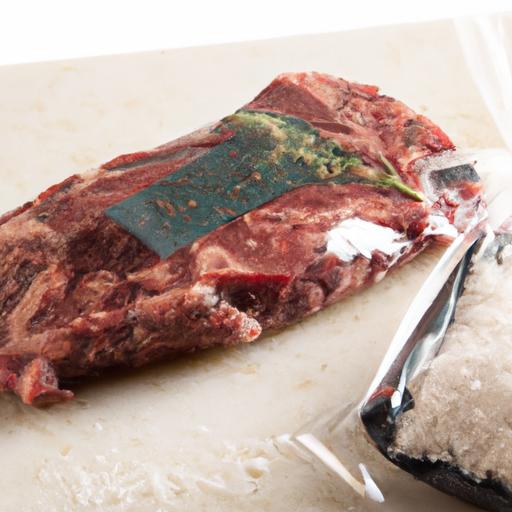

Stepping into the world of gourmet cooking frequently enough means grappling with the delicate dance of timing and technique-especially when it comes to steak. but what if perfection didn’t require thawing hours in advance or fearing overcooked edges? Enter sous vide, the culinary method revolutionizing how we approach frozen steak. By marrying precise temperature control with patient immersion, sous vide transforms even a frozen slab of beef into a tender, juicy masterpiece.In this article, we’ll unravel the secrets to mastering frozen steak with sous vide, turning what onc seemed like a thawing challenge into an effortless path to savory perfection.
Mastering frozen steak with sous vide cooking has revolutionized my approach to preparing the perfect steak, allowing unparalleled precision in temperature control to achieve sublime texture and flavour every time. Whether you’re thawing on the fly or cooking directly from the freezer, this method unlocks tender juiciness wrapped in crisp, caramelized edges that steak lovers dream of.
Prep and Cook Time
- Preparation: 10 minutes
- Cooking (Sous Vide): 2 to 3 hours
- Searing & Finishing: 5 minutes
Yield
Serves 2 hearty portions
Difficulty Level
Medium – Ideal for home cooks eager to master precise temperature control with sous vide technology
Ingredients
- 2 frozen ribeye steaks (1.5 inches thick, approx. 8 oz each)
- 2 tsp kosher salt
- 1 tsp freshly cracked black pepper
- 1 tsp garlic powder
- 3 tbsp unsalted butter
- 2 sprigs fresh rosemary
- 2 sprigs fresh thyme
- 2 cloves garlic, smashed
- 1 tbsp vegetable oil (for searing)
- Vacuum seal bags or heavy-duty resealable freezer bags
instructions
- Season from frozen: Sprinkle kosher salt, black pepper, and garlic powder evenly over both sides of each frozen steak. Ignore the urge to thaw first-seasoning during cooking enhances flavor absorption in sous vide.
- Vacuum seal your steaks: Place each steak into a vacuum seal bag. Add a sprig each of rosemary and thyme plus a smashed garlic clove into the bag alongside the steak. Remove all air carefully to ensure full contact-air pockets interfer with even cooking.
- Set your sous vide precisely: Heat your water bath to 129°F (54°C) for a perfect medium-rare finish. Adjust temp between 120°F (rare) and 140°F (medium-well) depending on your preferred doneness.
- Cook low and slow: Fully submerge the sealed steaks and cook for 2 to 3 hours. This slow, uniform heat breaks down connective tissue gently, transforming frozen steak into a tender feast without overcooking.
- Prepare for the perfect sear: Remove steaks from bags and pat dry thoroughly using paper towels-moisture is the enemy of a crusty sear.
- Sear to finish: Heat vegetable oil in a heavy skillet or cast iron pan over high heat until shimmering. Add butter, rosemary, thyme, and garlic. Sear steaks for 45 seconds to 1 minute per side, spooning the fragrant butter over the meat to build a glossy, caramelized crust.
- rest briefly before serving: Let steaks rest for 5 minutes on a warm plate, allowing juices to redistribute, ensuring each bite bursts with flavor and succulence.
Tips for Success
- Why season frozen? Seasoning before sous vide helps the salt penetrate deeply during slow cooking for enhanced flavor.
- Vacuum sealing matters: If you don’t have a vacuum sealer, use the water displacement method with freezer bags by slowly submerging the bag in water, forcing air out before sealing.
- Temperature tweaks: For medium-rare, 129°F is ideal. Increase to 135°F for medium or 140°F for medium-well, but beware of overcooking past 3 hours, which may effect texture.
- Sear with high heat: Use cast iron if possible-the even heat gives you that rich, mouthwatering crust. adding fresh herbs and garlic in the finishing butter infuses irresistible aroma.
- Make ahead: Sous vide steaks hold in their cooking bags for up to 2 hours post-finish at warm temps, perfect for timed dinner prep.
Serving Suggestions
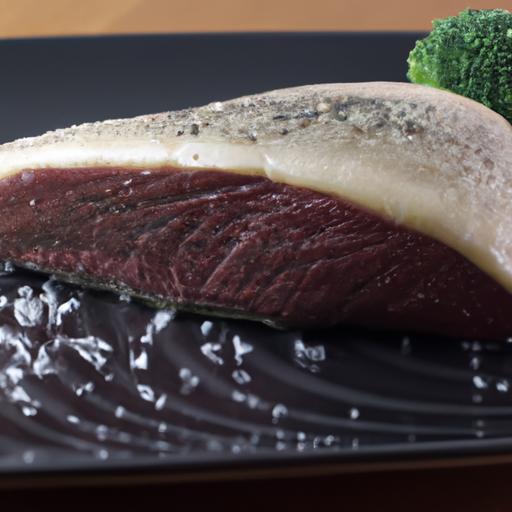
Serve your beautifully rested sous vide steak atop a bed of creamy garlic mashed potatoes, steamed seasonal vegetables, or a fresh arugula salad dressed with lemon vinaigrette. Garnish with a sprig of rosemary and finish with flaky sea salt for texture contrast. A glass of bold red wine, like Cabernet Sauvignon, pairs brilliantly to elevate the experiance.

| Nutrient | Amount per Serving |
|---|---|
| Calories | 450 kcal |
| Protein | 48g |
| Carbohydrates | 1g |
| fat | 28g |
For those interested in expanding their sous vide repertoire, check out our Ultimate Guide to Sous Vide vegetables. For the science behind sous vide precision, Serious Eats’ Food Lab offers an excellent deep dive.
Q&A
Q&A: Mastering Frozen Steak – Sous Vide Cooking Made Perfect
Q1: Can I realy cook a frozen steak sous vide, or do I need to thaw it first?
Absolutely! one of the sous vide’s greatest superpowers is its ability to cook frozen steak perfectly without thawing. When you go straight from freezer to water bath, the steak cooks evenly all the way through, locking in juices and flavor. No more waiting, no more guesswork – just precision cooking magic.
Q2: How does sous vide transform a frozen steak compared to traditional methods?
Traditional cooking methods can leave you with a steak that’s unevenly cooked or dry on the outside while still chilly inside. Sous vide gently bathes your frozen steak in temperature-controlled water,melting the ice within and bringing the meat to the perfect doneness slowly and evenly. The result? Juicy, tender steak that tastes like it was prepared by a seasoned chef.
Q3: Do I need to adjust the cooking time for frozen steaks?
Yes, but only a bit. Since your steak starts frozen,add about 30 to 60 minutes extra to the standard sous vide cooking time. This gives the water bath time to thaw the steak internally and cook it through without compromising texture or flavor. Such as, if a 1-inch steak takes 2 hours from fresh, plan for roughly 2.5 to 3 hours when frozen.
Q4: What’s the ideal temperature for sous vide frozen steak?
That depends on your doneness preference:
- Rare: 125°F (51.5°C)
- Medium-rare: 130°F (54.5°C)
- Medium: 140°F (60°C)
- Medium-well: 150°F (65.5°C)
- Well-done: 160°F (71°C) and above
By maintaining these temperatures precisely, your steak comes out exactly as you want-every single time.
Q5: Should I season my frozen steak before sous vide cooking?
If you can season before freezing, do it! Salt, pepper, garlic, and herbs infuse wonderfully during cooking. If you didn’t season it beforehand, don’t worry-just toss some seasoning in the bag before sealing if possible. Or else, seasoning after sous vide cooking, right before searing, works just fine, too.Q6: What’s the best way to finish a frozen sous vide steak for that perfect crust?
after sous vide,your steak looks and feels cooked but lacks that mouth-watering browning. pat it dry to remove excess moisture, then sear it quickly in a blazing hot cast-iron skillet with butter and aromatics like garlic and thyme. A few seconds per side is enough to form a flavorful crust without overcooking the interior. Voilà! steakhouse quality at home.
Q7: Can sous vide rescue a “forgotten” frozen steak accidentally left in the freezer?
Yes! Even those impulse freezer finds can become culinary triumphs. Just seal it properly, set your sous vide temperature and timer, and let the magic happen. Your frozen steak will emerge tender and ready to impress-even if it’s been chilling a little longer than expected.
Q8: Does cooking frozen steak sous vide affect its texture?
Far from it. Slow, precise sous vide cooking gently breaks down muscle fibers without drying or toughening the meat. Starting from frozen means less chance of overcooking edges while waiting for the center to catch up. The result is a melt-in-your-mouth texture that rivals your favorite steakhouse.
Q9: Any tips for packaging frozen steaks for sous vide cooking?
Use vacuum-sealed bags or high-quality resealable freezer bags with as little air as possible. If freezing raw, separate each steak individually so you can cook portions as needed. Label and date your packages for easy meal prep later. Proper sealing is key to prevent freezer burn and maintain flavor integrity during sous vide.
Q10: Can I use the same sous vide technique for other frozen meats?
Definitely! Poultry, pork, fish-even vegetables-benefit from the same gentle, precise cooking process. Just adjust time and temperature according to the type and thickness of your ingredient. Sous vide turns frozen food from a last-resort into a gourmet experience.
With sous vide, frozen steak transforms from a kitchen conundrum into an effortless, elegant meal. Ready to embrace the art of cooking from frozen? Your steak-and your taste buds-will thank you!
Key Takeaways
Mastering the art of cooking frozen steak sous vide transforms what was once a daunting challenge into a seamless culinary triumph. With patience, precision, and the gentle embrace of water’s warmth, you unlock flavors and textures that rival even the finest steakhouse cuts. Whether you’re rescuing a last-minute dinner or elevating everyday meals,this technique redefines convenience without sacrificing quality. So next time you reach into your freezer, remember: perfection isn’t just fresh – it’s perfectly sous vide.