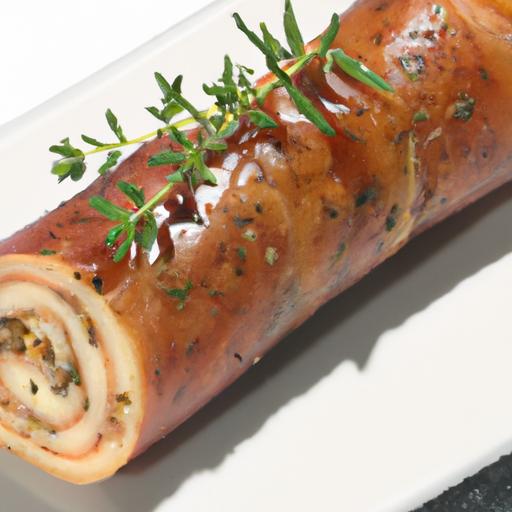
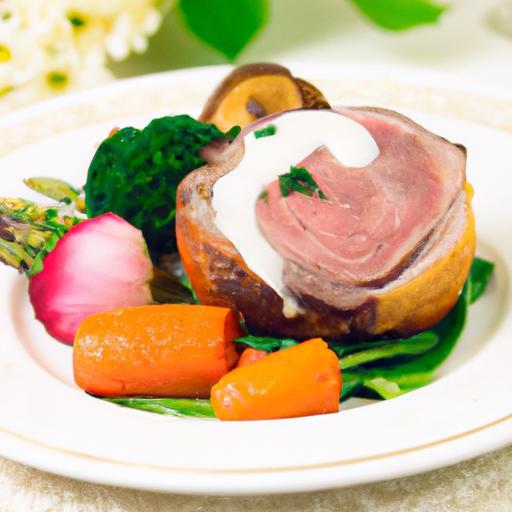

Step into any French kitchen, and you’ll instantly sense a blend of tradition, passion, and unparalleled craftsmanship. Behind every flaky croissant, velvety sauce, or perfectly seared steak lies not just skill, but a collection of carefully chosen tools-each with a story and purpose. Whether you’re a seasoned chef or an aspiring home cook dreaming of mastering the art of French cuisine, understanding the essentials in your kitchen arsenal is key to unlocking culinary success. In this article, we’ll explore the must-have French kitchen essentials that transform everyday cooking into an unusual gastronomic experience. Prepare to embrace the tools that turn simple ingredients into timeless flavors.
Mastering the art of French cooking requires not just passion, but also the right tools. Essential cookware that brings French flavors to life forms the backbone of any culinary success in this realm, ensuring every dish reaches its full, authentic potential.From expertly crafted knives that glide seamlessly through tender meats and delicate herbs to the perfect pots and pans designed to coax out the rich, complex layers of classic French sauces, these kitchen essentials are indispensable.
The Art of Choosing the Perfect French Knives for Every Task
French cuisine demands precision, and nothing facilitates this better than a well-selected knife. A chef’s knife with a sharp,balanced blade is perfect for most tasks – chopping,dicing,and slicing. For delicate work like peeling or intricate garnishing, a paring knife provides control without sacrificing comfort. Don’t overlook the fillet knife, designed for buttery cuts of fish that are staples in Provençal cooking.Investing in a quality French knife set tuned for your cooking style instantly elevates the process, ensuring every ingredient is treated with care and respect.
Mastering Sauces with Classic Pots and Pans
Nothing embodies French culinary mastery like a perfectly reduced sauce, from velvety béchamel to tangy bordelaise. The right cookware is critical. A heavy-bottomed stainless steel saucepan ensures even heat distribution, preventing scorching during delicate simmering. For rich, creamy emulsions, a non-stick skillet allows flawless execution of reductions and pan sauces. Don’t forget a sturdy dutch oven for slow-cooked stews and braises that develop deep, soulful flavors reflective of rustic French country kitchens. These vessels become your silent partners, coaxing complexity and finesse into every sauce you create.
Must-Have Utensils to elevate Your French culinary Creations
Your culinary toolkit would be incomplete without essential utensils that streamline every step. A silicone spatula expertly folds mousse or delicate soufflés without deflating air. A set of wooden spoons is ideal for stirring rich stews and thick sauces without scratching your pans. Equip your kitchen with a fine mesurette spoon set for precise seasoning-an art in French cooking where balance of flavors reigns supreme. Lastly, a zester unlocks vibrant citrus notes essential in many classic recipes, brightening dishes with fresh nuance.
Prep and Cook Time
- Prep Time: 15 minutes
- Cook Time: 30 minutes
- total Time: 45 minutes
Yield
4 servings
Difficulty Level
Medium
Ingredients
- 1 tbsp olive oil, extra virgin
- 1 tbsp unsalted butter
- 1 small onion, finely diced
- 2 cloves garlic, minced
- 1 cup dry white wine (such as Sauvignon Blanc)
- 1 cup heavy cream
- 1 tbsp Dijon mustard
- ½ cup fresh parsley, finely chopped
- Salt and freshly ground black pepper, to taste
- Fresh lemon zest, for garnish
Instructions
- Heat the olive oil and butter in a heavy-bottomed saucepan over medium heat until butter melts and begins to foam.
- Add the diced onion and sauté gently until translucent, about 5 minutes. Stir occasionally to avoid browning.
- Incorporate minced garlic and cook for 1 minute until fragrant, taking care not to burn.
- Deglaze the pan with white wine, scraping up any bits stuck to the bottom. Increase heat and simmer until wine reduces by half, intensifying flavour.
- Lower heat to medium-low and stir in heavy cream and Dijon mustard. Simmer gently, stirring frequently, until sauce thickens and coats the back of a spoon, roughly 10-12 minutes.
- Season with salt and pepper, then fold in chopped parsley for freshness and vibrant aroma.
- Remove from heat and let sauce rest briefly. Finish with a sprinkle of fresh lemon zest before serving to enhance brightness.
Chef’s Notes
- Use classic French cookware like copper pots to better control the heat for delicate sauce-making.
- Substitute white wine with dry vermouth for a slightly herby note.
- To make ahead, prepare sauce and chill.Reheat gently, adding a splash of cream to refresh texture.
- When chopping herbs, use a rocking motion with your French paring knife to keep textures tender.
- For a dairy-free version, replace cream with full-fat coconut milk, knowing the flavor will shift subtly but maintain richness.
Serving Suggestions
this sauce pairs beautifully with grilled chicken breasts, steamed asparagus, or your favorite seared fish fillet. Serve with creamy mashed potatoes or crusty French baguette slices to soak up every flavorful drop. For a visually stunning finish, garnish each plate with a small sprig of fresh parsley and a delicate twist of lemon peel. Bathed in this sauce, even the simplest meal transforms into a celebration of French culinary elegance.
| Nutritional Info (per serving) | Calories | Protein | Carbs | Fat |
|---|---|---|---|---|
| Classic Creamy French Sauce | 180 kcal | 2 g | 4 g | 17 g |
For more tips on selecting the best cookware for your French kitchen ventures, explore our complete French Kitchen Tools Guide. Enhance your skills further by learning the science behind sauces at The Culinary Institute of America.

Q&A
Q&A: Must-Have French Kitchen Essentials for Culinary Success
Q1: What defines a “must-have” French kitchen essential?
A1: A must-have French kitchen essential isn’t just a tool-its a trusted companion in the art of crafting timeless recipes. These are items that bring authenticity, finesse, and functionality into your cooking space, ensuring every dish carries the hallmark of classic French cuisine.
Q2: Which knife is indispensable for French cooking?
A2: The French chef’s knife, or “couteau de chef,” is indispensable. With its broad, sharp blade and balanced weight, it’s perfect for everything from delicate herb chopping to slicing hearty cuts of meat. Investing in a high-quality chef’s knife is like having a reliable sous-chef by your side.
Q3: What role does a Dutch oven play in French kitchens?
A3: The Dutch oven,or “cocotte en fonte,” is the heart of slow-cooked French dishes. Its heavy cast iron construction distributes heat evenly, making it ideal for stews like coq au vin or boeuf bourguignon. It’s both a pot and a storybook, where meals turn rich, tender, and deeply flavorful.
Q4: Are ther specific utensils every French cook swears by?
A4: Absolutely! A wooden spoon, balloon whisk, and a fish spatula are staples. The wooden spoon stirs without scratching your delicate pots; the balloon whisk aerates sauces to creamy perfection; and the fish spatula’s thin, flexible blade lovingly lifts delicate fillets. together, they handle the choreography behind every French delicacy.
Q5: Can you describe a quintessential French pan?
A5: The stainless steel sauté pan with sloped sides-known simply as a “poêle à frire”-is quintessential. It’s designed for searing, sautéing, and turning ingredients with grace. Its construction allows for precise heat control, a must for techniques like deglazing and making pan sauces.
Q6: How critically important is a mandoline slicer in French cooking?
A6: Invaluable! French cuisine frequently enough demands precision, from paper-thin pommes soufflées to perfectly sliced vegetables for ratatouille. A mandoline slicer delivers consistent thickness with ease, marrying elegance with efficiency.
Q7: Are there any non-technical tools French chefs rely on?
A7: Yes-simple items like a good-quality French linen kitchen towel (“torchon”) and a mortar and pestle are essential. The torchon handles everything from drying herbs to polishing glassware, while the mortar and pestle gently release the aroma and flavor within spices and herbs, elevating every dish.
Q8: How do these essentials contribute to culinary success?
A8: French cooking is a blend of technique, timing, and respect for ingredients. These kitchen essentials form the foundation that allows home chefs and professionals alike to execute recipes with precision, passion, and authenticity. They turn the kitchen into a stage where culinary artistry unfolds.Q9: Can beginners benefit from investing in French kitchen essentials?
A9: Absolutely. While mastery comes with practice,starting with the right tools sets you up for confidence and creativity. French kitchen essentials simplify complex techniques, inspire exploration, and ultimately, make the journey of cooking less daunting and more delightful.
Q10: What’s the secret ingredient alongside all these tools?
A10: Patience-and a love for the craft. French cuisine rewards those who take their time, embrace the process, and savor every step. Pair these essentials with curiosity and care, and culinary success is sure to follow. Bon appétit!
In Summary
embracing the timeless staples of a French kitchen is more than just gathering tools-it’s about inviting a culinary philosophy into your home. From the humble mandoline slicing with precision to the cast-iron cocotte that braises to perfection, these essentials are the silent partners in your journey toward gastronomic excellence. Equip your kitchen with these must-haves, and you’ll not only recreate classic French dishes with ease but also cultivate the artful patience and passion that define French cooking. After all, culinary success isn’t just about the recipe-it’s about the tools that bring it to life.Bon appétit!