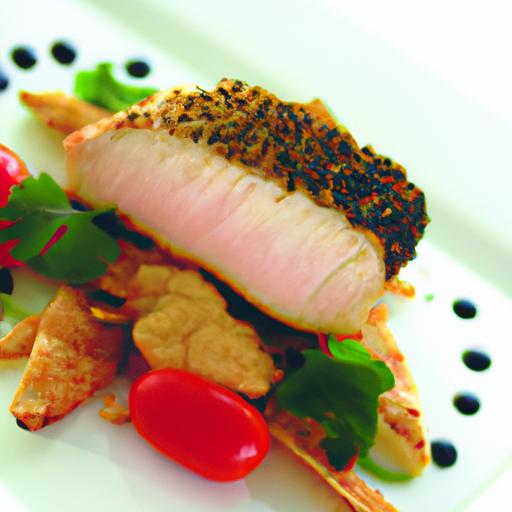
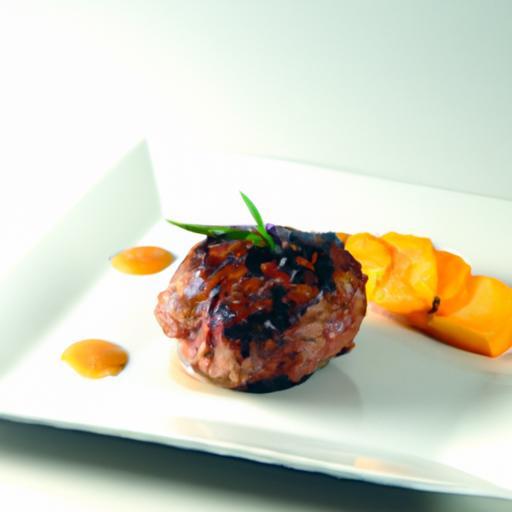

There’s an art to capturing the perfect sear-a caramelized crust that locks in juices and elevates a dish from ordinary to remarkable. While traditional methods rely on blazing hot pans and cast iron skillets, a culinary torch offers a modern twist that puts precise, controlled heat right at your fingertips. In this article, “Ignite the Flavor: Mastering Searing wiht a Culinary Torch,” we’ll explore how this handheld flame can transform proteins, vegetables, and even desserts with a sizzling finish that dazzles the senses. Whether you’re a home cook eager to experiment or a seasoned chef aiming to refine your technique, prepare to unlock a new level of flavor mastery by mastering the sear with fire.
Ignite the Flavor with culinary torch searing-a technique that transforms ordinary ingredients into spectacular dishes through the power of intense, focused heat. Understanding the science behind searing with a culinary torch unlocks a world of bold textures and caramelized notes that elevate your cooking beyond traditional stovetop methods. This method not only enhances flavor but also intensifies visual appeal, allowing you to create gourmet-quality dishes right at home.
Choosing the Right Torch and Fuel for Perfect Results
Selecting the ideal culinary torch is crucial for mastering torch searing. Look for a butane fuel torch with adjustable flame control, allowing precision between a gentle glow and an intense blaze. Butane offers clean burning without imparting unwanted odors, unlike propane or other fuel sources.A torch with a continuous-use lock and ergonomic handle will ease your hands and let you focus on technique.
A quality torch built for kitchen use ensures safety and consistent heat output.Consider brands like Bernzomatic for trusted performance. Remember, torch fuel is easy to replace and store, making this method both convenient and eco-friendly.
Techniques to Achieve an Even and Intense Sear
Mastering the torch requires practiced strokes and an attention to detail. Hold the torch approximately 3 to 5 inches from your ingredient and move the flame in slow, sweeping motions. This prevents scorching while promoting uniform color development. For proteins, focus on edges first where fat melts and sugars caramelize, then cover the surface evenly.
Pat your food dry and season lightly – moisture hinders caramelization. For thin cuts like scallops, steaks, or even tofu steaks, embark on short bursts of flame rather than a continuous blast, allowing heat to build gradually. This helps develop a deeply browned crust without overcooking the interior.
Using a wire rack elevates the ingredient allowing air circulation and avoiding steaming during searing. Additionally, resting the food at room temperature before torching encourages faster, more even browning.
creative Recipes to Elevate Flavor with Torch-Enhanced Searing
Once comfortable with basic searing tactics, experiment with torch embellishments that pair beautifully with smoky depth. Here’s a recipe highlighting torch searing’s delightful versatility:
torch-Searred Miso-glazed Eggplant
This dish marries Japanese umami with the radiant caramelization only a culinary torch can achieve.
Prep and Cook time
- Prep: 15 minutes
- Cook: 10 minutes
- Total: 25 minutes
Yield
Serves 4 as an appetizer or side
Difficulty Level
Easy to Medium
Ingredients
- 2 large Japanese eggplants, halved lengthwise
- 3 tbsp white miso paste
- 1 tbsp mirin
- 1 tbsp sake
- 1 tbsp sugar
- 1 tbsp toasted sesame oil
- 1 tsp freshly grated ginger
- 2 cloves garlic, minced
- Toasted sesame seeds for garnish
- Thinly sliced green onions for garnish
Instructions
- Prepare the glaze: In a small saucepan, combine miso paste, mirin, sake, sugar, sesame oil, ginger, and garlic. Heat over low heat, stirring until sugar dissolves and glaze is smooth, about 3 minutes.Remove from heat and cool slightly.
- Prep eggplant: Score the flesh of eggplant halves in a diamond pattern without piercing the skin. Lightly brush with sesame oil and sprinkle with salt.
- Broil briefly: Place the eggplants flesh-side up on a baking sheet and broil for 5 minutes until just starting to soften.
- Apply glaze: Generously brush the miso glaze over the scored surfaces.
- Torch sear: holding your culinary torch about 4 inches away, gently move the flame in circular motions across the glazed eggplant. watch as the sugars caramelize into golden, slightly charred patches. Continue until the glaze bubbles and takes on a deep amber color, about 4-6 minutes.
- Rest and garnish: Let cool slightly. Sprinkle with toasted sesame seeds and green onions before serving.
Chef’s Tips for Success
- Patience pays off: Torch slowly to prevent burning the glaze; the goal is a rich, even crust with smoky undertones.
- Glaze variation: Add a splash of yuzu juice or a pinch of chili flakes for an exciting flavor twist.
- Make-ahead: The glaze can be stored refrigerated for up to one week.
- Alternative ingredients: Try similar torch-glazing on firm tofu, portobello mushrooms, or even ripe peaches for a sweet-savory delight.
Serving Suggestions
Present eggplants on a rustic wooden platter to highlight their dark, caramelized hues. Pair with steamed jasmine rice or serve alongside a crisp cucumber salad drizzled with rice vinegar for refreshing contrast. Garnish liberally with fresh herbs or microgreens for freshness and a burst of color.

| Nutrition per Serving | Calories | Protein | Carbs | Fat |
|---|---|---|---|---|
| miso-glazed Eggplant | 120 kcal | 3 g | 18 g | 4 g |
By embracing the precision and excitement of torch searing, you unlock flavors and textures unachievable to replicate with other heat sources. This technique empowers cooks to ignite the flavor in every dish,blending science with creativity to achieve culinary excellence.
For more inspiration on unique searing methods, explore our Charred Vegetables Guide or visit Serious Eats for deep dives into searing science.
Q&A
Q&A: Ignite the Flavor – Mastering Searing with a Culinary Torch
Q1: What makes a culinary torch an essential tool for searing?
A1: A culinary torch offers precise, high-intensity heat that’s hard to replicate with stovetops or ovens. It allows you to caramelize sugars, char edges, and develop complex flavors instantly without overcooking the interior. This precision ignites aromas and textures,turning ordinary dishes into extraordinary bites.
Q2: How does torch searing differ from traditional pan searing?
A2: Traditional pan searing relies on conductive heat through metal, often requiring oil and longer cooking times. Torch searing uses a direct flame,delivering intense,focused heat that crisps and browns the surface rapidly. This method preserves the tender interior while boosting the exterior’s flavor and texture, perfect for delicate proteins or finishing touches.
Q3: Which foods benefit the most from torch searing?
A3: Torch searing excels with thin cuts of steak, seafood like scallops or shrimp, and even vegetables like asparagus or bell peppers. It’s also a favourite for finishing crème brûlée, melting cheese toppings, and adding dramatic char to cocktails garnishes. The torch transforms simple ingredients into a sensory spectacle.
Q4: What are the key techniques to master when using a culinary torch?
A4: Start with a steady hand and keep the flame moving to avoid burning any one spot. Maintain a distance of about 2-3 inches from the food for even caramelization. Preheat your torch if needed,and always sear in a well-ventilated area. Practice balancing flame intensity and movement for that perfect golden crust.
Q5: Can torch searing affect the nutritional content of food?
A5: Like any high-heat cooking method, torch searing slightly alters the surface, creating new flavors through the Maillard reaction without significantly changing nutritional profiles. As it’s speedy and direct, it can actually help retain more moisture and nutrients inside compared to longer cooking methods.
Q6: Are there any safety tips to keep in mind when using a culinary torch?
A6: Absolutely. Always use the torch away from flammable materials and never leave it unattended while lit. Check for gas leaks before use and store it properly after. Keep a fire extinguisher nearby for emergencies-a little caution ensures your culinary adventures stay safe and sizzling.
Q7: How can beginners incorporate torch searing into everyday cooking?
A7: Start small! Try torching thin cuts of meat or finishing a crème brûlée. Experiment with adding a quick char to roasted vegetables or even marshmallows for a smoky twist. With time, you’ll find creative ways to ignite flavors and add that restaurant-quality finish to your home-cooked meals.
Q8: What flavor sensations should one expect when mastering torch searing?
A8: Expect deep, smoky notes layered with subtle caramel sweetness and a satisfying crispness. The torch’s intense flame teases out hidden umami layers, delivering a multi-dimensional sensory experience that elevates both humble and gourmet dishes with flair. Your taste buds will revel in the seared symphony!
Ready to light up your kitchen with flavor bold and bright? Grab that culinary torch and embark on your journey to mastering the art of searing-where fire meets finesse and every dish gets a dazzling finish!
To Conclude
As the final flame flickers and the aroma of perfectly seared edges fills the air, you’ve unlocked a new realm of culinary possibility. Mastering the art of searing with a culinary torch isn’t just about technique-it’s about igniting your creativity and elevating everyday dishes into extraordinary experiences. With this fiery tool in hand, every meal becomes a canvas, every crust a masterpiece.So go ahead, embrace the heat, and let your flavors blaze brilliantly-because when it comes to searing, the torch is your ticket to brilliance.