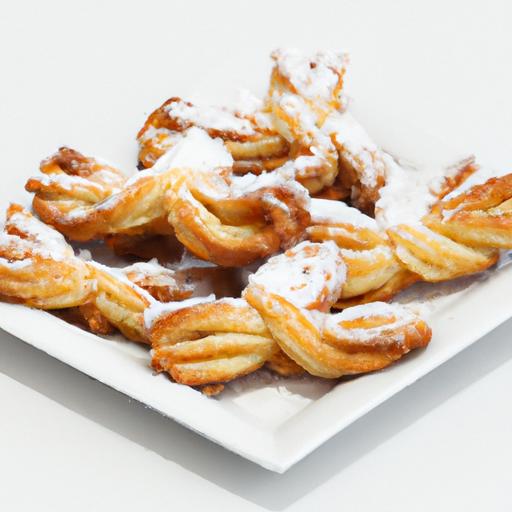
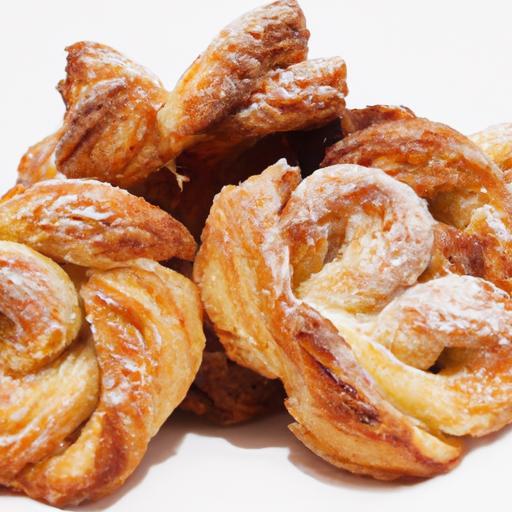

in the world of pastries, few treats embody elegance and simplicity quite like the palmier. Frequently enough affectionately dubbed “elephant ear” due to their distinctive shape, these delicate French confections boast a crisp, buttery texture that delights the senses with every bite. But behind their unassuming appearance lies a rich tradition and a masterful blend of technique and flavor. In this article,we unveil the charm of palmiers-exploring their history,the art of their creation,and what makes these elephant ear pastries a timeless favorite in patisseries around the globe.Join us as we journey into the heart of this crispy masterpiece, where every fold tells a story of culinary finesse.
Palmiers, with their delicate layers and golden, caramelized edges, are a quintessential French pastry that embodies both simplicity and elegance.Originating from the Parisian bakeries of the 19th century, these irresistibly crisp elephant ear pastries have captivated dessert lovers worldwide. The secret behind perfectly flaky palmiers lies not only in the quality of your puff pastry but also in mastering the folding and baking techniques that unlock their signature crunch.
Prep and Cook Time
- Readiness: 15 minutes
- Chilling: 30 minutes
- baking: 15-20 minutes
- Total Time: Approximately 1 hour
Yield
Approximately 24 palmiers (serving 6-8 people)
Difficulty Level
Medium: Requires some attention to detail but approachable for eager home bakers.
Ingredients
- 1 sheet (17.3 oz) of high-quality puff pastry, preferably all-butter, thawed but cold
- 3/4 cup granulated sugar, plus extra for sprinkling
- 1 tsp ground cinnamon (optional, for a warm spice note)
- 1/4 cup finely chopped nuts (pistachios, almonds, or pecans) – optional for texture
- 1 tbsp unsalted butter, melted (optional, for brushing)
Instructions
- Prepare the sugar mixture: in a small bowl, combine granulated sugar and ground cinnamon. Set aside.
- Flatly roll out the puff pastry: Lightly dust your work surface with sugar mixture. Unfold the chilled puff pastry onto your surface and gently roll it into a smooth rectangle approximately 12×10 inches. Keep it as even as possible.
- Sprinkle the sugar: Generously scatter half of the sugar-cinnamon mixture evenly over the entire surface of the dough. Press it lightly with a rolling pin to help it adhere without piercing the dough.
- Fold the edges: Fold the long edges of the dough toward the center so they meet exactly in the middle. Then fold these halves over each other like closing a book, creating a tightly compacted log.
- Chill the dough: Wrap the folded dough log in plastic wrap and refrigerate for at least 30 minutes. This rest helps the dough keep its shape during baking and allows sugar to penetrate the layers.
- Preheat oven: Set your oven to 400°F (200°C) and line two baking sheets with parchment paper or silicone mats.
- Slice the dough: Using a sharp knife, cut the chilled log into 1/4-inch slices, revealing the iconic elephant ear shape. Between cuts, clean the knife to maintain sharp edges.
- Arrange and sugar coat: Lay the palmiers flat on the baking sheets at least 1 inch apart. Sprinkle the remaining sugar mixture on top for extra caramelized crunch. optionally, brush lightly with melted butter and sprinkle chopped nuts for added flavor and texture.
- Bake to golden perfection: Bake for 12-15 minutes, then carefully flip palmiers using a thin spatula, and bake another 3-5 minutes until crisp and deeply golden on both sides.
- Cool fully: transfer to wire racks and cool fully before serving. This step finalizes their signature crispness.
Expert Tips for Success
- Choose quality puff pastry: All-butter puff pastry delivers superior flavor and flakiness compared to butter blends or margarine alternatives.
- Keep ingredients cold: Handle the dough with cold hands and refrigerate adequately. Warm dough can cause the layers to merge and lose their delicate separation.
- Don’t rush the chilling: Resting allows the sugar to lightly dissolve and caramelize during baking, enhancing crispness and flavor.
- Flavor variations: Swap cinnamon for cardamom or vanilla sugar to tailor your palmiers. You may also try savory versions by replacing sugar with grated Parmesan and herbs for an elegant appetizer twist.
- Make ahead: Palmiers can be baked a day in advance and stored in an airtight container. Refresh crispness by warming briefly in a low oven before serving.
- Flip gently: Turning the palmiers midway through baking ensures even caramelization and crispness on both sides.
- troubleshooting: If your palmiers puff unevenly, gently press side edges flat after baking to encourage a more uniform elephant ear shape.
Serving Suggestions
Palmiers are irresistibly versatile. Serve them alongside afternoon tea or robust Italian espresso for a delightful contrast.Garnish with a light dusting of powdered sugar or a drizzle of dark chocolate for extra decadence.Their crisp texture pairs beautifully with fresh berries or a scoop of homemade vanilla bean ice cream, transforming simple pastries into an indulgent treat.
For a festive touch, incorporate finely chopped crystallized ginger or orange zest into the sugar mixture. For a savory occasion, pair cheese and herb palmiers with charcuterie boards or a glass of chilled Champagne.
| Nutritional Info (per palmier) | Amount |
|---|---|
| Calories | 90 kcal |
| Protein | 1 g |
| Carbohydrates | 11 g |
| Fat | 5 g |

Discover more delicate French pastries in our French Puff Pastry Tutorial or explore the art of caramelization at Cook’s Illustrated to deepen your baking repertoire.
Q&A
Q&A: Palmiers Unveiled – The Crisp Charm of Elephant Ear Pastries
Q1: What exactly is a palmier, and why is it sometimes called an “elephant ear”?
A1: A palmier is a delightful French pastry made from laminated puff pastry dough, sugar, and butter. Its name, which means “palm tree” in French, reflects the pastry’s distinctive shape resembling delicate palm leaves. The nickname “elephant ear” comes from the pastry’s broad, rounded shape and crisp, folded layers that mimic the giant, flappy ears of an elephant. It’s a whimsical name that adds to the charm of this classic treat!
Q2: How did palmiers originate, and what’s their story?
A2: Palmiers have their roots in 19th-century French patisseries. The technique of laminating dough into flaky layers dates back even further, but the palmier’s signature sugar-crisped design made it stand out. Originally a simple,elegant treat for French aristocrats’ tea times,the palmier has since charmed pastry lovers worldwide with its buttery,caramelized crunch. Its worldwide appeal lies in its simple ingredients and delightful texture-a timeless French treasure.
Q3: What makes the texture of a palmier so unique?
A3: The magic lies in the lamination process-the folding of butter into dough in multiple layers-creating hundreds of thin, crispy sheets. When baked,the sugar on the surface caramelizes,giving the palmier its irresistible golden sheen and a satisfying snap. Bite through it, and you find a perfect harmony of crunch, buttery richness, and a hint of caramelized sweetness. it’s the kind of texture that invites you back for one more crispy, melt-in-your-mouth piece.
Q4: Are palmiers always sweet, or can they be savory too?
A4: While traditionally sweet and coated in sugar, the palmier’s versatile shape and flaky dough have inspired savory variations. Imagine crispy, cheese-laden palmiers with herbs like thyme or rosemary, or even a sprinkle of smoked paprika and black pepper. These savory twists make palmiers a perfect appetizer or snack, proving that the elephant ear’s charm extends far beyond sweetness.
Q5: What’s the best way to enjoy a palmier?
A5: Palmiers shine brightest when freshly baked and slightly warm, allowing the butter aroma to fully bloom and the sugar caramel to remain crisp yet tender. Pair them with a cup of rich coffee or fragrant tea for an elevated break. Their elegant simplicity also makes them great company for ice cream, fresh fruit, or even a drizzle of chocolate. But truly, palmiers are little joys best savored slowly, appreciating each crisp, caramelized bite.
Q6: Can I make palmiers at home, and is it difficult?
A6: Absolutely! Making palmiers at home is surprisingly approachable, especially if you start with good-quality store-bought puff pastry. The key steps are simple: roll out the dough, sprinkle generously with sugar, fold carefully to create the signature shape, slice, and bake until golden and crisp. The process is a fun, hands-on way to connect with classic French baking traditions, and the reward-a box of irresistible elephant ears-is well worth the effort.
Q7: How do palmiers fit into modern pastry trends?
A7: Palmiers embody the trend of elevating simple, childhood-favorite snacks into gourmet delights. Their minimalist ingredients and elegant shape appeal to the clean, natural food movement, while their versatility invites pastry chefs to experiment with new flavors and textures. Weather reinvented with exotic spices, dipped in chocolate, or fused with international ingredients, palmiers continue to charm the world, proving that timeless classics never go out of style.
Palmiers are more than just pastries-they’re crisp, caramelized whispers of French heritage, inviting everyone to experience the joy hidden in buttery folds. Whether you know them as palmiers or elephant ears, these treats hold a crunchy secret: that simple ingredients, shaped with love and baked with care, can create magic.
Closing Remarks
As the delicate layers of a palmier unfold, so too dose an appreciation for the artistry behind this humble yet enchanting pastry. From its buttery, caramelized edges to its crisp, flaky heart, the elephant ear carries with it a legacy of simple ingredients transformed through skill and patience. Whether enjoyed with a morning coffee or as an elegant finale to a meal, palmiers invite us to savor not just their sweetness, but the timeless charm of a classic treat. In every bite, there’s a story-a crisp whisper of culinary tradition revealing how the smallest pleasures can leave the most lasting impressions.