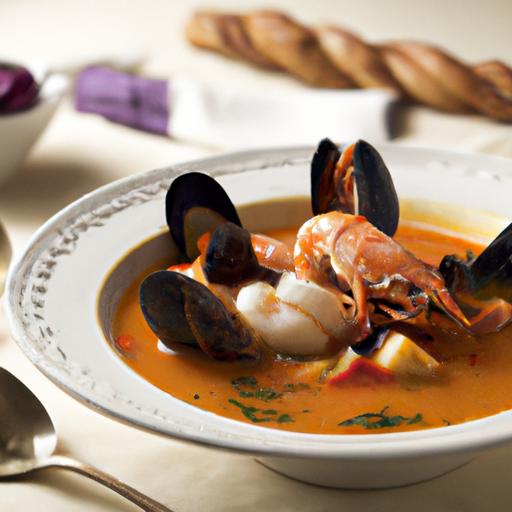

Few culinary names evoke the briny embrace of the sea and the warmth of Provençal kitchens quite like bouillabaisse. Yet, for many, this iconic French seafood stew remains as mystifying in pronunciation as it is rich in flavor. Is it “boo-ya-base,” “boo-ya-bess,” or something entirely different? mastering the art of saying bouillabaisse correctly is the first delightful step toward appreciating its storied heritage and complex taste. join us as we unravel the sounds, history, and culture behind this classic dish-because sometiems, saying it right is the key to truly savoring it.
Understanding the Origins and Pronunciation of Bouillabaisse
Mastering Bouillabaisse begins with appreciating its rich history and the true essence of its French roots. This iconic Provençal fish stew hails from the sun-drenched coastal city of Marseille, where fishermen once crafted it from the catch they couldn’t sell, blending hardy mediterranean fish with vibrant herbs and saffron. Beyond its succulent taste, bouillabaisse carries centuries of cultural heritage that every food lover should savor-starting with how to say its name correctly.
Decoding the Phonetics for Authentic French Articulation
Pronouncing bouillabaisse authentically can open a door into French culinary tradition. The word sounds like boo-ya-bess. In phonetic terms,it is /bujabɛs/. The tricky part is the soft ‘ll’ in the middle, wich is pronounced like a ‘y’ sound in English, similar to the word “million” when said quickly. The final “aïsse” rolls off with a smooth and soft “ess” sound rather than “ace” or “bass.”
Common Mistakes to Avoid When Saying Bouillabaisse
- Pronouncing the “ll” as a hard “l” (boo-lee-bass) instead of the gentle “y” glide.
- Overemphasizing the ending as “baise” with a harsh “z” or “s” when it should be soft and fluid.
- Breaking the word into awkward syllables rather than letting it flow naturally.
Keeping these simple corrections in mind will enhance your fluency and show respect for the dish’s delicate origins.
Tips and Tricks to Perfect Your Bouillabaisse Pronunciation
Practice by breaking it into three smooth syllables: boo-ya-bess. Repeat it slowly, then speed up as you gain confidence, imagining the warm Mediterranean breeze over Marseille’s old port markets. You can also listen to native speakers online or apps like Forvo for natural pronunciation.Pairing pronunciation practice with cooking this dish helps you embody its spirit inside and out.
Prep and Cook Time
- Preparation: 30 minutes
- Cooking: 1 hour 15 minutes
- Total Time: 1 hour 45 minutes
Yield
Serves 6 hearty portions-perfect for sharing with family or friends.
Difficulty Level
advanced: A rewarding challenge that demands attention but yields unforgettable flavor.
Ingredients
- 2 lbs assorted Mediterranean fish (such as rascasse, red mullet, monkfish), cleaned and cut into chunks
- 1 lb shellfish mix (mussels, clams, shrimp)
- 2 tbsp olive oil, extra virgin
- 1 large onion, finely chopped
- 2 leeks, white part only, thinly sliced
- 3 ripe tomatoes, peeled and diced
- 4 cloves garlic, minced
- 1 pinch saffron threads
- 2 bay leaves
- 1 tsp fennel seeds, toasted
- 1/2 cup dry white wine
- 6 cups fish stock, preferably homemade
- Fresh parsley and thyme, tied in a bouquet garni
- Salt and freshly ground black pepper, to taste
- Thick slices of crusty baguette, for serving
- Rouille sauce (garlic-saffron mayonnaise), optional garnish
Instructions
- Prepare the base: Heat olive oil in a large, heavy-bottomed pot over medium heat. Add onion, leeks, and garlic. Sauté until translucent and fragrant, about 7 minutes, stirring frequently to prevent browning.
- Add tomatoes and spices: Stir in diced tomatoes, saffron, fennel seeds, and bay leaves. Cook for 5 minutes until tomatoes break down and infuse the mixture with color and aroma.
- Deglaze and simmer: Pour in white wine and let it reduce by half, about 4 minutes. Then add fish stock and bouquet garni. Season lightly with salt and pepper. Bring to a gentle simmer for 30 minutes to develop deep flavor.
- Cook the fish: Remove bouquet garni. Add sturdy fish pieces first, cooking for 10 minutes. Then add shellfish and delicate fish chunks, cover, and cook for another 8-10 minutes until shellfish open and fish flakes easily.
- Prepare the bread: While the stew simmers, toast baguette slices until golden and crispy. Spread with rouille sauce if desired for an authentic touch.
- Serve: ladle the rich broth and fish into wide bowls, garnish with fresh parsley, and serve promptly with the toasted bread for dipping.
Tips for Success
- Fish selection: Use fresh, firm white fish. Avoid oily fish to keep the broth clear and delicate.
- Homemade fish stock: elevates the dish immensely-use fish bones, vegetable scraps, and aromatics simmered gently for a clean base.
- Timing: Add shellfish last to avoid overcooking tough textures.
- Make ahead: The broth base can be prepared a day prior-just refrigerate and add fresh seafood when ready to serve.
- Pronunciation practice: Say ”boo-ya-bess” aloud while cooking to connect more deeply with this timeless French classic.
Serving Suggestions
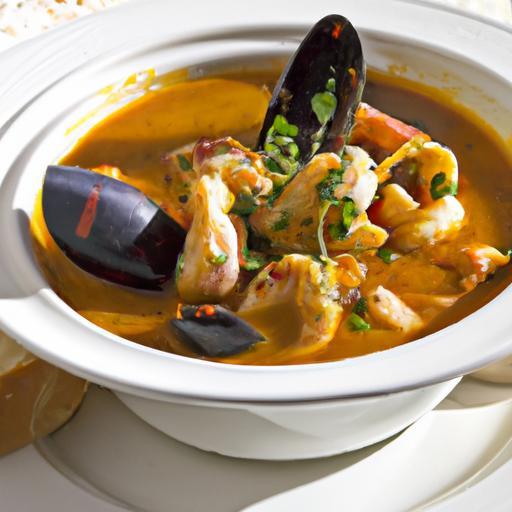
Offer bouillabaisse steaming hot in shallow bowls with the crusty baguette for soaking up every drop of the golden broth. A dollop of vibrant rouille sauce or a sprinkle of freshly chopped parsley or fennel fronds adds visual flair and layers of texture. Accompany with a crisp glass of Provençal rosé for the perfect sensory experience that transports you to the Côte d’Azur coast. Ideal for a leisurely dinner or a festive gathering,this dish invites conversation and party around the table.

| Nutrient | Per Serving |
|---|---|
| Calories | 320 kcal |
| Protein | 35 g |
| Carbohydrates | 15 g |
| Fat | 8 g |
for more insights into French culinary treasures,explore our guide on classic French soups. To hear the authentic pronunciation and learn more cultural context, visit Forvo’s pronunciation guide.
Q&A
Q&A: Mastering Bouillabaisse – how to Say This French Classic Right
Q: What is Bouillabaisse, and why is it considered a French classic?
A: Bouillabaisse is a traditional Provençal fish stew originating from the port city of Marseille. It’s celebrated for its rich blend of Mediterranean seafood, fragrant herbs, and a slightly spicy, saffron-infused broth. More than just a dish,bouillabaisse is a cultural icon that tells the story of French coastal life.
Q: How do you pronounce “Bouillabaisse” correctly?
A: The magic word is pronounced “boo-ya-bess” (IPA: /bu.ja.bɛs/). the tricky part is the middle: the “ll” in French creates a “y” sound, so it’s not “boo-lee” but “boo-ya.” Say it with confidence, and you’ll sound like a true francophile!
Q: Why do so many people mispronounce Bouillabaisse?
A: French pronunciation often puzzles English speakers because letter combinations don’t always follow familiar rules. The double “ll” and the silent letters can lead to guesses like “boo-li-baze” or “boo-li-base.” Breaking it down into syllables and remembering the “y” sound helps clear things up.
Q: Are there regional variations to the pronunciation?
A: While “boo-ya-bess” is standard, regional accents in southern France might slightly vary the intonation or emphasis. Though, these nuances rarely stray far from the classic pronunciation. In any case, French speakers appreciate your effort far more than perfect accuracy.
Q: Can mastering the pronunciation enhance my appreciation of the dish?
A: Absolutely! Pronouncing “Bouillabaisse” right is like unlocking a secret handshake with French culinary tradition.It invites curiosity, shows respect for the dish’s origins, and deepens your connection to the vibrant flavors and history simmering in the pot.
Q: What tips can help me remember the pronunciation?
A: Think of it as three parts:
- “Boo” like the ghost says;
- “Ya” like saying “yeah” without the “h”;
- and “Bess,” rhyming with “mess.”
Say it a few times smoothly: “boo-ya-bess.” Voilà!
Q: Is there a fun way to practice saying Bouillabaisse?
A: yes! Try rolling it off your tongue while imagining a sunny French coast, the smell of sea salt, and a steaming bowl filled with golden broth and fresh seafood. Pair it with a glass of rosé for full sensory immersion-and voila, you’re practically in Marseille!
Q: Any final thoughts for mastering Bouillabaisse, both in language and flavor?
A: Mastery of bouillabaisse is a blend of respect for tradition, a willingness to explore bold flavors, and a dash of confidence in your pronunciation.Say it right, savor it slow, and let the essence of southern France transport you bowl after bowl.Bon appétit!
In Summary
Mastering the art of pronouncing “bouillabaisse” is more than just getting the sounds right-it’s a gateway to appreciating a rich tradition simmering with history and flavor. With every correctly spoken syllable, you honor the coastal whispers of Marseille and the fishermen’s hearty legacy embedded in this iconic French stew. So next time you order or discuss bouillabaisse, speak it with confidence and a touch of curiosity, inviting the spirit of Provence to your table. After all, language and cuisine are journeys best savored together, one flavorful word at a time. Bon appétit!