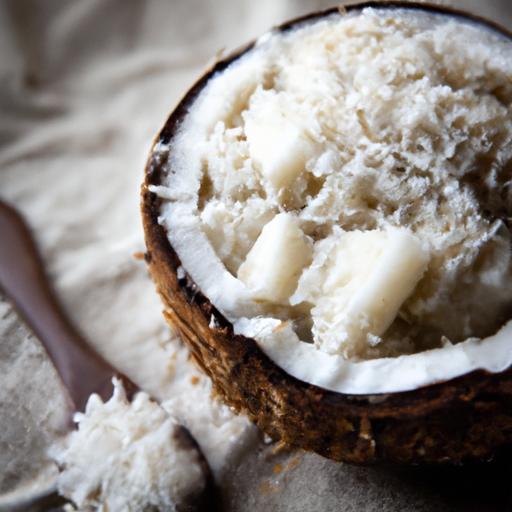

Imagine a secret ingredient that not only enhances your dishes with a rich, savory depth but also offers a healthier alternative to traditional soy sauce. Enter coconut aminos-a naturally gluten-free, lower-sodium condiment derived from the nectar of coconut blossoms. Whether you’re a seasoned foodie or a curious home cook, unlocking the bold, umami-packed flavor of coconut aminos can transform everyday meals into culinary adventures.In this article,we’ll explore seven appetizing and easy-to-make recipes that showcase the versatility of this delightful sauce. get ready to tantalize your taste buds and elevate your cooking game-starting today!
Unlock Flavor with the naturally rich,slightly sweet,and umami-packed profile of coconut aminos-a versatile ingredient that has revolutionized the way we think about seasoning.Originating from the sap of coconut blossoms,this soy-free and gluten-free sauce offers a beautifully balanced flavor that’s lighter and less salty than traditional soy sauce,making it an ideal pantry staple for anyone seeking depth and complexity in their dishes without overpowering them. From my first revelation, it felt like unlocking a secret weapon for both everyday meals and elevated culinary creations.
Prep and Cook Time
- Prep Time: 5 minutes
- Cook Time: 15 minutes
- Total Time: 20 minutes
Yield
Serves 4 as a main dish accompaniment or 6 as a flavorful side dip
Difficulty Level
Easy - perfect for beginners and busy home cooks
Ingredients
- 3 tablespoons coconut aminos
- 1 tablespoon toasted sesame oil
- 2 cloves garlic, minced
- 1 teaspoon fresh ginger, grated
- 1/2 teaspoon red pepper flakes (optional for heat)
- 1 tablespoon honey or maple syrup (optional for added sweetness)
- 2 cups mixed vegetables (e.g., bell peppers, snap peas, carrots, broccoli florets)
- 1 cup cooked protein (chicken, tofu, beef, or shrimp)
- 2 green onions, thinly sliced, for garnish
- Toasted sesame seeds for garnish
Instructions
- Heat the toasted sesame oil in a large skillet or wok over medium-high heat until shimmering.
- Add the minced garlic and grated ginger, sautéing for about 30 seconds until fragrant but not browned.
- Toss in your choice of mixed vegetables and stir-fry for 5-7 minutes or until crisp-tender, stirring frequently to avoid burning.
- Push the vegetables to the side and add your cooked protein to the center of the pan,warming through for 2-3 minutes.
- Drizzle the coconut aminos evenly over the mixture along with red pepper flakes and honey/maple syrup if using; stir thoroughly to coat everything in the sauce.
- Cook for an additional 2-3 minutes, allowing the sauce to slightly reduce and cling to the ingredients for maximum flavor.
- remove from heat and garnish with sliced green onions and toasted sesame seeds before serving.
Tips for Success
- Feel free to swap mixed vegetables based on seasonality or preference-zucchini, mushrooms, and baby corn also pair beautifully.
- For a vegan version, opt for tofu or tempeh as your protein, pressing tofu well before cooking to enhance texture.
- If you prefer a thicker sauce, mix 1 teaspoon of cornstarch with 2 tablespoons of cold water and stir it in during the final step; cook until thickened.
- Make-ahead tip: prepare the sauce mixture separately and store in an airtight container for up to one week to streamline weeknight dinners.
- Adjust sweetness or saltiness by varying the amount of coconut aminos and honey to suit your palate.
Serving Suggestions
Serve this vibrant stir-fry over fluffy jasmine rice or over cauliflower rice for a low-carb option. The glossy, amber-hued sauce will pop beautifully against a bed of steamed greens or crunchy lettuce wraps for a light meal. Garnish generously with fresh herbs such as cilantro or Thai basil alongside a wedge of lime to brighten every bite.
| Nutrient | Per Serving |
|---|---|
| Calories | 210 kcal |
| Protein | 16 g |
| Carbohydrates | 12 g |
| Fat | 10 g |

Explore more ways to enhance your dishes with coconut aminos on Food Network, where chefs creatively elevate this pantry hero to new culinary heights.
Q&A
Q&A: Unlock Flavor with 7 Delicious coconut Aminos Recipes
Q1: What exactly are coconut aminos, and why should I use them in my cooking?
A1: Coconut aminos are a savory, slightly sweet sauce made from the fermented sap of coconut blossoms combined with sea salt.They’re a fantastic soy sauce alternative-gluten-free, lower in sodium, and perfect for those avoiding soy or wheat. Their unique flavor adds a rich umami depth with a subtle caramel undertone, making any dish pop with flavor!
Q2: How versatile are coconut aminos in recipes? Can they be used beyond stir-fries?
A2: Absolutely! coconut aminos excel far beyond stir-fries. Think marinades for grilled meats, dressings for salads, glazes for roasted veggies, dipping sauces for dumplings, or even a secret ingredient in soups and stews. Their sweet-savory profile harmonizes beautifully across a wide array of dishes.
Q3: What makes coconut aminos healthier than traditional soy sauce?
A3: Besides being soy-free and gluten-free, coconut aminos typically have about 70% less sodium than regular soy sauce, making them heart-pleasant. They’re also less processed, free from artificial additives, and contain trace minerals from the coconut sap-making them a tastier, cleaner option.
Q4: Can you share one simple yet delicious recipe using coconut aminos?
A4: Certainly! Try a quick Coconut aminos Teriyaki Chicken. Marinate chicken thighs in a mix of coconut aminos, minced garlic, fresh ginger, a touch of honey, and sesame oil for at least 30 minutes. Sear them until golden, then finish in the oven. The result? Juicy, flavorful chicken with a glossy, caramelized glaze-pure comfort on a plate.
Q5: are coconut aminos suitable for everyone, including those with dietary restrictions?
A5: Yes! Since coconut aminos are soy-free, gluten-free, and grain-free, they fit beautifully into Paleo, Whole30, vegan, and low-sodium diets. Plus,they’re free from common allergens,making them an inclusive ingredient for many food lifestyles.
Q6: How can I best store coconut aminos to maintain their flavor?
A6: Store your bottle tightly sealed in a cool, dark pantry spot. Refrigeration isn’t necessary but can help preserve flavor for longer periods once opened. Since coconut aminos are naturally fermented, a little sediment or cloudiness is normal and harmless.
Q7: Where can I find coconut aminos, and are there any brands you recommend?
A7: Coconut aminos are increasingly available at health food stores, well-stocked supermarkets, and online retailers. Look for brands that prioritize organic ingredients and have a clean label-like Bragg or Coconut Secret. Always check the ingredient list to ensure no needless additives sneak in.
Unlock a world of flavor with coconut aminos-your new secret weapon to lift everyday meals into culinary magic!
Concluding Remarks
Whether you’re looking to enhance your meals with a subtle-savory twist or seeking a healthier alternative to soy sauce, coconut aminos open up a world of flavor possibilities. These seven delicious recipes are just the beginning of how this naturally sweet, umami-rich condiment can transform everyday dishes into vibrant culinary adventures. So next time you’re in the kitchen, don’t hesitate to unlock the bold, versatile taste of coconut aminos-your taste buds will thank you. Happy cooking!