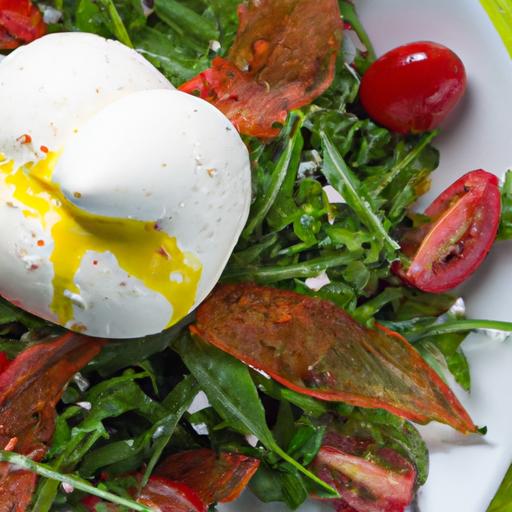
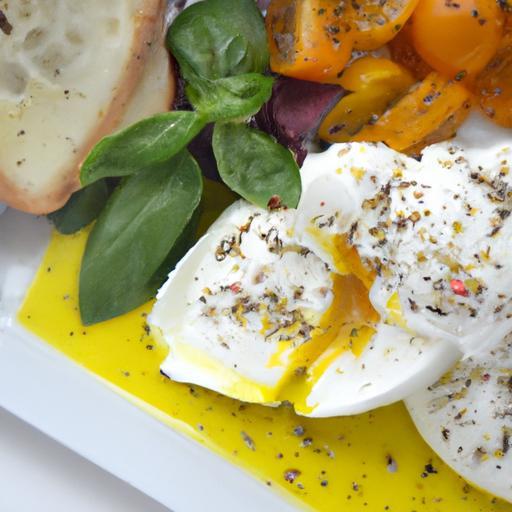

Nestled within the sun-kissed fields of Italy’s Puglia region lies a cheese that embodies indulgence in its purest form-burrata. This creamy marvel, with its delicate outer shell encasing a luscious, milky heart, has captivated palates around the world and redefined the art of cheese. “Burrata Unwrapped: Creamy Delights from Italian Origins” invites you on a sensory journey through the rich heritage, intricate craftsmanship, and irresistible flavors of this iconic Italian treasure. From the rolling countryside where it was born to the plates of gourmet tables globally, discover how burrata’s unique texture and taste continue to enchant food lovers and inspire culinary creativity.
Burrata Unwrapped: Creamy Delights from Italian Origins opens a world where tradition and indulgence meet, revealing the luscious texture and mild, milky flavor that have captivated food lovers worldwide. Originating from the Puglian countryside, burrata remains a symbol of simple luxury-an artfully crafted pouch of fresh mozzarella filled with rich, buttery cream. Its delicate exterior gives way to a heavenly, creamy centre that melts effortlessly on the palate. Whether your savoring burrata at a rustic Italian trattoria or crafting your own at home, mastering its creamy allure promises a deeply satisfying experience.
Prep and Cook Time
preparation: 20 minutes | Resting: 1 hour | Cooking: 15 minutes
Yield
Makes 4 burrata balls (approx. 120g each)
Difficulty Level
Medium – requires attention to temperature and technique but highly rewarding
Ingredients
- 4 gallons fresh whole milk (preferably raw or pasteurized, not ultra-pasteurized)
- ½ teaspoon liquid rennet diluted in ¼ cup cool, non-chlorinated water
- 1 ½ teaspoons citric acid dissolved in ½ cup water
- Salt to taste (about 2 teaspoons kosher salt)
- 2 cups heavy cream, whipped softly
- Ice water bath (for shocking the curds)
- Muslin cheesecloth or fine linen
Instructions
- Prepare the milk: Pour the milk into a large stainless-steel pot and gently heat over medium-low, stirring occasionally to prevent scorching.When the temperature reaches 55°F (13°C),add the diluted citric acid and stir well to help acidify the milk for optimal curd setting.
- Heat and coagulate: continue heating the milk to 90°F (32°C). Remove from heat and gently stir in the diluted rennet for 30 seconds. cover the pot and let it rest undisturbed for 30-45 minutes untill it sets into a firm gel-like curd.
- cut and cook the curd: Using a long knife, cut the curd into 1-inch cubes. Slowly heat the curds to 105°F (40°C) over 10 minutes, gently stirring every few minutes to keep curds separated.
- Drain the whey: Line a colander with muslin cheesecloth and ladle the curds in to drain excess whey. Reserve whey if you wish to reuse it for ricotta or bread baking.
- Stretch the mozzarella: Transfer the curds to a heatproof bowl; pour 175°F (80°C) hot water or whey over the curds. Wearing heatproof gloves, knead and stretch the curd quickly until smooth, shiny, and elastic-this may take 5-7 minutes. Rapid stretching is essential for that silky burrata texture.
- Shape and fill: Form the warm mozzarella into thin pouches roughly 4 inches wide. Immediately fill each pouch with a generous spoonful of whipped cream, then carefully seal each ball by pinching and twisting the edges.
- Chill and serve: Place burrata in an ice water bath for 5 minutes to set the shape and cool wholly.Keep refrigerated and consume within 2 days for peak freshness.
Tips for Success
- Milk matters: The fresher and higher quality the milk, the creamier your burrata.
- Temperature control: Use a reliable thermometer-slight temperature shifts change texture drastically.
- Stretching technique: If the curd tears, briefly reheat in hot water and try again; patience makes perfect!
- Make-ahead: Burrata tastes best fresh, but you can prepare it a day before, just keep it well-sealed in the fridge.
- Substitute cream: For lighter burrata, mix heavy cream with a small amount of ricotta for the filling.
Burrata Pairings & Serving Suggestions
To truly unlock burrata’s *creamy delights from Italian origins*, presentation is key. Serve chilled burrata resting atop a bed of heirloom tomatoes, drizzled with extra virgin olive oil and a sprinkle of flaky sea salt.Freshly cracked black pepper adds subtle warmth. Garnish with bright aromatic herbs like basil or oregano.
For an enticing contrast, pair with juicy seasonal fruits such as ripe peaches, figs, or fresh melon. The natural sweetness and acidity amplify burrata’s creamy softness.
Wine lovers can elevate the experience by enjoying burrata with a chilled Verdicchio or the soft minerality of a Pinot Grigio.The vibrant acidity slices through its richness, cleansing the palate and inviting another indulgent bite.
Creative Burrata Recipe: Roasted Beet and Burrata Salad
- 4 medium beets, roasted, peeled, and sliced
- 2 balls fresh burrata, drained
- Handful arugula
- 2 tablespoons toasted walnuts
- 1 tablespoon balsamic glaze
- Olive oil, salt and pepper to taste
- Arrange beet slices and arugula on a large platter.
- place burrata balls in the center and drizzle with olive oil and balsamic glaze.
- Scatter toasted walnuts on top, finish with salt and cracked pepper.
- Serve immediately with crusty bread for a divine balance of textures and flavors.
| Nutrient | Per 100g Burrata |
|---|---|
| Calories | 300 kcal |
| Protein | 18 g |
| Carbohydrates | 2 g |
| Fat | 25 g |

Explore more on fresh Italian cheeses in our fresh mozzarella vs burrata comparison to deepen your cheese expertise and discover endless recipe inspiration.
Q&A
Q&A: Burrata Unwrapped – Creamy Delights from Italian Origins
Q: What exactly is burrata, and how does it differ from mozzarella?
A: Burrata is like mozzarella’s rich, indulgent cousin. Imagine a delicate pouch of fresh mozzarella filled with a luscious mixture of cream and shredded mozzarella curds called stracciatella. While mozzarella offers a firm, milky bite, burrata bursts with silky creaminess, making it a luxurious experience for your palate.
Q: Where does burrata come from, and how did it originate?
A: Burrata hails from the sunny region of Puglia, located in the heel of Italy’s boot. Created in the early 1900s by inventive dairy makers, it was originally designed as a way to use up leftover mozzarella scraps. This humble innovation blossomed into a beloved delicacy known for its decadent texture and simple elegance.
Q: How is authentic burrata made?
A: Authentic burrata begins with fresh mozzarella curds stretched into a thin pouch. Before being sealed, the pouch is lovingly filled with stracciatella-a creamy blend of shredded curds and cream-then tied off like a silky cheese gift. The result is a tender exterior that gives way to an irresistibly creamy center.
Q: What are the best ways to enjoy burrata?
A: Burrata shines brightest in simplicity. Serve it fresh, drizzled with high-quality extra virgin olive oil, sprinkled with flaky sea salt, and paired with ripe tomatoes or crusty bread.it also elevates salads, pizzas, and pasta, imparting a creamy richness that transforms every bite into a celebration.Q: How should burrata be stored and served to preserve its freshness?
A: Burrata loves being fresh.Keep it chilled in its watery packaging until about 15-20 minutes before serving to allow it to approach room temperature-this brings out its delicate flavors and creamy texture. Because it’s a fresh cheese, it’s best enjoyed within a day or two of purchase.
Q: Can burrata be used in cooking, or is it better as a fresh topping?
A: While burrata is traditionally savored fresh, it can add magic to warm dishes. Try dolloping it atop a hot pasta just before serving for a melting effect or layering it on a pizza post-bake.Though, prolonged heating will melt the creamy center, so gentle, minimal heat is key.
Q: Why has burrata become such a global culinary sensation?
A: Burrata’s rise stems from its luxurious texture and versatility.Food lovers crave new textures and emotional eating experiences; burrata delivers a creamy surprise wrapped in a fresh,mild cheese exterior. Its Italian heritage,paired with global culinary creativity,has made it a sought-after ingredient and beloved indulgence worldwide.
Q: Are ther variations of burrata beyond the conventional Italian version?
A: While traditional burrata sticks to its Puglian roots, artisans around the world experiment with milk sources-cow, buffalo, even goat-and fillings infused with herbs or spices. These creative twists offer new flavor dimensions while honoring the classic creamy heart that defines burrata’s soul.
With its rich history and irresistibly creamy core, burrata isn’t just cheese-it’s a sensory journey straight from Italy’s sun-drenched pastures to your table. Unwrap, savor, and delight in this creamy treasure!
The Conclusion
As the final threads of burrata’s delicate pouch fall away, what remains is more than just cheese-it’s a rich tapestry of Italian heritage, craftsmanship, and culinary passion.from its humble beginnings in Puglia’s sun-drenched pastures to tables around the world, burrata invites us to savor the simple luxury of creamy indulgence. Whether melted atop crusty bread, paired with ripe tomatoes, or enjoyed on its own, this luscious delight continues to capture hearts and palates alike, proving that sometimes, the greatest pleasures come unwrapped. So next time you encounter burrata, take a moment to appreciate not just its silky texture, but the story of tradition and artistry that makes every bite unforgettable.