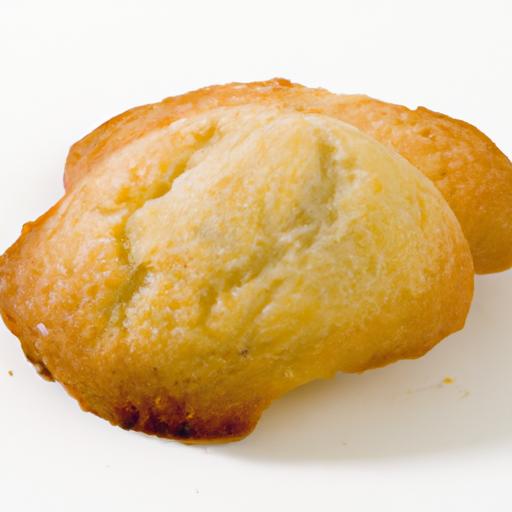
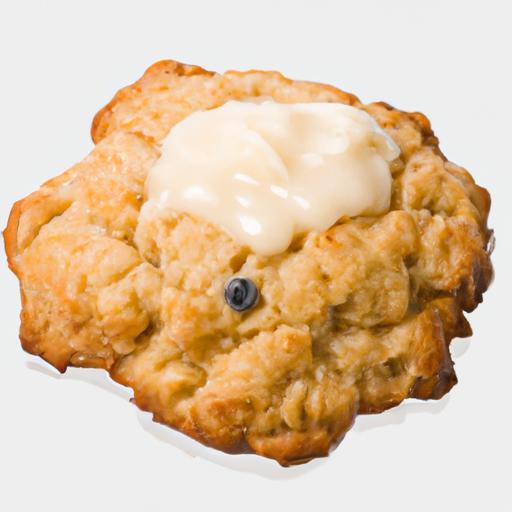

In the world of baking, where flour reigns supreme, a quite hero has been stealing the spotlight-potato starch. This humble ingredient, ofen relegated to thickening sauces or coating crispy fried favorites, holds a secret power that transforms ordinary recipes into fluffy, melt-in-your-mouth delights. Unlocking the magic of potato starch in baking is like discovering a hidden treasure chest, brimming with possibilities to elevate your cakes, cookies, and breads to new, cloud-like heights. Join us as we dive into the science and artistry behind potato starch, revealing how it can bring unparalleled softness, moisture, and lightness to your baked creations-turning every bite into a perfect, fluffy delight.
Unlock Fluffy Delights: embracing the wonder of potato starch truly transforms the way we approach baking. This humble ingredient, often overlooked, holds the secret to achieving that coveted lightness and tender crumb adored in pastries and cakes worldwide. Rooted in centuries of culinary tradition, potato starch’s unique properties unlock a fluffiness that no other starch quite matches, making every bite a cloud-like marvel. Whether you’re perfecting a family favorite or exploring new textures, understanding potato starch’s role is your first step to baking brilliance.
Prep and Cook Time
- Prep: 15 minutes
- Cook: 25 minutes
- Total Time: 40 minutes
Yield
8 generous servings
Difficulty Level
Easy to Medium – ideal for home bakers ready to elevate their game
Ingredients
- 1 cup all-purpose flour, sifted
- ½ cup potato starch (ensure it’s pure and fine-textured)
- 1 tsp baking powder, sifted
- ½ tsp fine sea salt
- ¾ cup granulated sugar
- 3 large eggs, at room temperature
- ½ cup whole milk, warm
- ⅓ cup unsalted butter, melted and cooled
- 1 tsp pure vanilla extract
Instructions
- preheat your oven to 350°F (175°C) and grease your 9-inch round cake pan or line it with parchment paper for clean removal.
- Whisk together dry ingredients: In a medium bowl, combine all-purpose flour, potato starch, baking powder, and salt. Sifting them together ensures even distribution and prevents clumps.
- Beat eggs and sugar: Using a stand mixer or hand mixer, whip the eggs and granulated sugar on medium-high speed until pale, thick, and tripled in volume – about 5 minutes. This aeration is key for fluffiness.
- Incorporate wet ingredients: Gently fold warmed milk, melted butter, and vanilla extract into the egg mixture. Fold carefully to maintain the air bubbles you just created.
- Blend dry and wet mixtures: Add the dry ingredients gradually, folding them in with a spatula. Work in gentle strokes, folding until just combined. Over-mixing can deflate the batter.
- Transfer and bake: pour the batter into the prepared pan, smoothing the top with a spatula. Bake for 22-25 minutes or until a toothpick inserted in the center comes out clean.
- Cool properly: Remove the cake from the oven and allow it to cool in the pan for 10 minutes before transferring it to a wire rack to cool entirely. This prevents sogginess and preserves texture.
Tips for Success
- Use room temperature eggs and warm milk: This helps batter mix more evenly and traps air better, boosting fluffiness.
- Potato starch purity: Opt for potato starch labeled as pure, avoiding blends or pre-gelatinized types to retain maximum leavening effect.
- Gently fold: The secret to fluffy baked goods is not in vigorous mixing but slow folding to keep air pockets intact.
- Substitutions: For a gluten-free option, blend potato starch with a gluten-free flour mix but maintain the ratio carefully for texture balance.
- Make ahead: Store baked goods wrapped tightly at room temperature for up to 2 days or freeze in airtight containers for up to one month.
Serving Suggestions
This delicate cake shines when served simply with a dusting of powdered sugar or paired with fresh berries for a burst of color and tartness. A dollop of lightly whipped cream or a drizzle of homemade vanilla glaze complements the fluffy crumb. For a special occasion, layer this cake with whipped cream and slices of seasonal fruit to create an inviting trifle or elegant dessert centerpiece. Use edible flowers or a sprinkle of finely chopped pistachios as garnish for a pop of visual contrast and texture.

| Nutrient | Per Serving |
|---|---|
| Calories | 220 kcal |
| Protein | 4 g |
| Carbohydrates | 30 g |
| Fat | 8 g |
To deepen your exploration of starch science and baking tips, check out our detailed guide to flour and starch functionality. For authoritative insight into potato starch production and science, visit the ScienceDirect Food Science resource.
Q&A
Q&A: Unlock Fluffy Delights – The Magic of Potato Starch Baking
Q1: What is potato starch, and how does it differ from regular flour?
A: potato starch is a fine, white powder extracted from potatoes, composed primarily of pure starch without the proteins and fibers found in regular flour. Unlike wheat flour, potato starch is gluten-free and has extraordinary water-binding and thickening properties, which help create soft, airy, and moist baked goods.
Q2: Why is potato starch considered magical in baking?
A: The “magic” of potato starch lies in its astounding ability to provide fluffiness and tenderness. When added to baking recipes, it retains moisture while lightening the texture, resulting in cakes, breads, and pastries that feel like clouds melting in your mouth. it’s the secret ingredient behind many irresistibly soft treats!
Q3: Can potato starch replace flour entirely in recipes?
A: Potato starch works best as a complement rather then a full substitute for flour. It typically replaces a portion of the flour to enhance texture and moisture. Using too much can sometimes make baked goods gummy or overly dense. However, in gluten-free baking, it is often combined with other starches and flours for balanced results.
Q4: What kinds of baked goods benefit most from potato starch?
A: Cakes, muffins, pancakes, and certain breads especially love a dash of potato starch. It’s fantastic in recipes where a light and tender crumb is desired. Potato starch also shines in shortcrusts and cookies, giving a delicate crumbly texture that feels purely delightful.
Q5: How should I incorporate potato starch in my baking?
A: Start by replacing about 15-30% of your flour with potato starch. Mix it thoroughly with your dry ingredients to ensure even distribution. Because it absorbs moisture differently, you might need to tweak the liquid amounts slightly to keep your batter or dough perfectly balanced.
Q6: Is potato starch suitable for gluten-free or allergy-sensitive baking?
A: Absolutely! Potato starch is naturally gluten-free and free from common allergens, making it an excellent choice for sensitive diets. When combined with other gluten-free flours, it helps mimic the soft, airy qualities of conventional baked goods.
Q7: Where can I find potato starch, and what should I look for?
A: Potato starch is widely available in grocery stores, specialty baking shops, or online. Choose a pure, unmodified potato starch labeled for culinary use. Avoid varieties with additives or preservatives to ensure the best baking results.
Q8: Any creative tips to elevate my baking with potato starch?
A: yes! Try dusting your baking pans with potato starch instead of flour to prevent sticking and add a subtle crispness to crusts. For vegan or egg-free recipes, potato starch can help bind ingredients and improve texture. Experiment by blending it with cocoa powder for chocolate treats with remarkable fluff.
Unlock the enchanting qualities of potato starch in your kitchen, and watch your baked delights rise to joyous new heights-fluffy, moist, and utterly magical!
To Conclude
As the oven timer dings and the scent of golden, fluffy delights fills your kitchen, you begin to understand the true magic of potato starch baking. This simple, humble ingredient transforms ordinary recipes into extraordinary treats – lending an ethereal lightness, tender crumb, and a texture that practically melts on your tongue. Whether you’re a seasoned baker or a curious culinary adventurer, unlocking the secrets of potato starch opens up a world where every bite is a little celebration. So next time you reach for your mixing bowl, remember: sometimes, the softest wonders come from the starchiest of places. Happy baking!