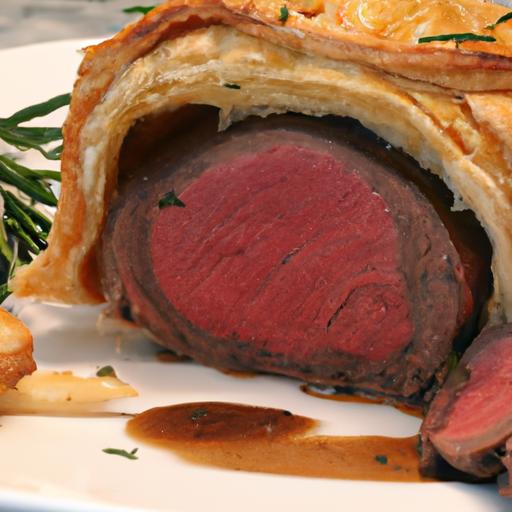
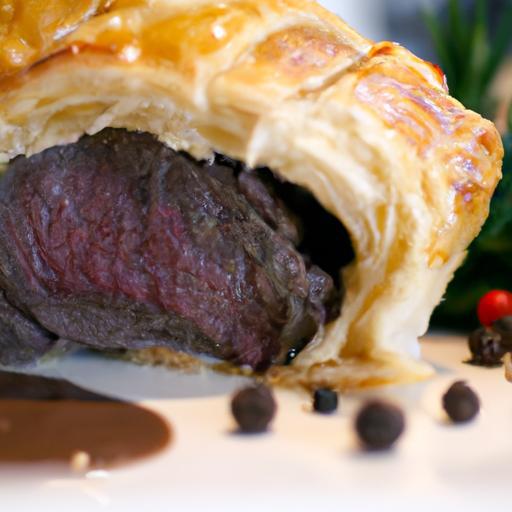

Ther’s a certain allure to Beef Wellington-a dish that conjures images of elegant dinner parties, festive celebrations, and culinary mastery. Cloaked in a golden, flaky pastry and bursting with layers of tender beef, earthy mushroom duxelles, and savory prosciutto, Beef Wellington is as much a feast for the eyes as for the palate. But behind its luxurious exterior lies a captivating tapestry of history, technique, and flavor that often remains a mystery to many home cooks. In this article, we’ll unwrap the classic Beef Wellington, revealing the origins, essential components, and step-by-step secrets that make this iconic dish a timeless centerpiece worthy of any special occasion. Weather you’re a curious novice or a seasoned foodie, join us as we demystify the art and science behind Beef Wellington, one layer at a time.
Beef Wellington Unwrapped reveals a journey through culinary history, precision, and artistry. This decadent dish,renowned for its seamless marriage of tender beef,earthy mushroom duxelles,and flaky golden pastry,has captivated food lovers for centuries. Its origins trace back to 18th-century England, rumored to honor the Duke of Wellington’s victory at Waterloo, weaving history with gastronomic elegance. This classic preparation calls for skill and patience but promises a stunning centerpiece for any special occasion or celebration.
Prep and Cook Time
Preparation: 45 minutes | Cooking: 40 minutes | resting: 15 minutes
Yield
serves 6 elegantly portioned slices
Difficulty Level
Advanced – perfect for experienced home chefs looking to elevate thier cooking repertoire
Ingredients
- 1 (2-2.5 lb) center-cut beef tenderloin (fillet), trimmed
- 2 tbsp olive oil, divided
- salt and freshly ground black pepper, to taste
- 2 cups cremini mushrooms, finely chopped
- 2 tbsp unsalted butter
- 2 cloves garlic, minced
- 2 shallots, finely diced
- 2 tbsp dry white wine
- 6 slices prosciutto
- 2 tbsp Dijon mustard
- 1 sheet puff pastry (approx. 10×15 inches), thawed but chilled
- 1 large egg, beaten (for egg wash)
- Fresh thyme sprigs (optional, for garnish)
Instructions
- Prepare the beef: Generously season the tenderloin with salt and pepper. Heat 1 tablespoon olive oil in a heavy skillet over high heat. Sear the beef on all sides until deeply browned, about 2-3 minutes per side. remove and brush instantly with Dijon mustard to infuse tangy warmth.
- Create the duxelles: In a food processor, pulse the cremini mushrooms until finely minced. Heat butter and remaining olive oil in a pan over medium heat. Add shallots and garlic, sautéing until fragrant and translucent, about 3 minutes. Add mushrooms, cooking until their moisture evaporates and mixture turns pasty, around 10-12 minutes. Stir in white wine and simmer until dry. Season lightly with salt and pepper. Allow to cool.
- Assemble the prosciutto layer: On a large sheet of cling film, arrange prosciutto slices slightly overlapping. Spread the cooled mushroom duxelles evenly over the prosciutto. Place the beef in the center, using the cling film to carefully wrap it tight, shaping it into a log. Chill for 20 minutes to firm up.
- Wrap in puff pastry: Roll out the puff pastry on a lightly floured surface to roughly 12×18 inches. Unwrap the beef and prosciutto log and place it in the center. Brush pastry edges with beaten egg.Fold and seal the pastry enveloping the beef wholly, trimming excess dough. Turn the wrapped beef seam-side down and place on a baking sheet lined with parchment.
- Decorate and egg wash: Brush the puff pastry generously with egg wash for a glossy finish. Optional: use extra pastry scraps to create decorative shapes and attach with egg wash. Chill again for 10 minutes to let the pastry relax.
- Bake to perfection: Preheat the oven to 400°F (200°C). bake the Beef wellington for 35-40 minutes or until the crust is golden brown and an instant-read thermometer inserted into the center reads 125°F (52°C) for medium-rare. Rest for 15 minutes before slicing; this allows juices to redistribute evenly.
Tips and Tricks for Achieving a Flawless Golden Crust
- Keep everything cold: Chill the assembled Wellington before baking to prevent the butter in the puff pastry from melting prematurely, ensuring a crisp, flaky crust.
- Egg wash magic: Use a full beaten egg or egg yolk with a splash of water for a deep, rich sheen on your pastry.
- Prevent sogginess: The mushroom duxelles must be thoroughly cooked to remove excess moisture. Pat it dry if needed to keep the pastry crisp.
- seal well: Pinch and press the edges firmly to stop juices from leaking out and weakening the pastry.
- Resting is essential: Allowing the Wellington to rest post-baking maintains tenderness and ensures neat, even slices.
chef’s Notes
- For an herbaceous twist, include chopped fresh parsley and thyme in the mushroom duxelles.
- Substitute prosciutto with thin pancetta or serrano ham for varied, robust flavors.
- Make ahead: Assemble Wellington through the puff pastry wrapping stage a day in advance; freeze on baking sheet, then bake from frozen by adding 10 extra minutes to cooking time.
- For an extra layer of indulgence, spread a thin layer of foie gras or pâté on the beef before wrapping.
- If puff pastry isn’t accessible, a sturdy homemade pâte feuilletée or even phyllo with careful handling can work.
Serving Suggestions
Slice the Beef Wellington thickly to reveal the mesmerizing layers of pink tenderloin, mushroom duxelles, and golden crisp pastry. Serve over a bed of velvety mashed potatoes or classic pommes purée. A rich Madeira or red wine jus complements the rich flavors brilliantly. garnish with fresh thyme sprigs for a touch of color and aroma. Pair with roasted seasonal vegetables or a simple green salad dressed in a light vinaigrette to balance the richness.
| Nutrient | Per serving |
|---|---|
| Calories | 620 kcal |
| Protein | 45 g |
| Carbohydrates | 25 g |
| Fat | 40 g |

For those eager to deepen their mastery of beef and pastry pairings, explore our guide on perfect beef cooking techniques. To delve into the history and care in selecting the right beef cut, consider this insightful article from Serious Eats.
Q&A
Q&A: Beef Wellington Unwrapped – A Classic Dish Explained
Q1: What exactly is Beef Wellington?
A1: Beef Wellington is a luxurious culinary masterpiece featuring a tender beef fillet lovingly encased in layers of duxelles (finely chopped mushrooms), prosciutto or pâté, and then wrapped in golden, flaky puff pastry. When baked to perfection,it boasts a juicy,flavorful center surrounded by an irresistible crisp shell.
Q2: Where does the name “Beef Wellington” come from?
A2: The origin of the name remains a tantalizing mystery, but many credit it to arthur Wellesley, the duke of Wellington, a British military hero.Some say the dish was created to celebrate his victories, while others beleive it was named simply to evoke a sense of British elegance and indulgence.
Q3: What makes beef Wellington so special compared to a regular roast beef?
A3: Unlike a standard roast, Beef Wellington is a symphony of textures and flavors. The beef inside is tender and juicy, the mushroom duxelles brings an earthy depth, and the puff pastry provides a buttery crunch. Each element complements the other, elevating the dish from everyday roast to celebratory feast.
Q4: How do chefs ensure the pastry stays crisp and not soggy?
A4: The secret lies in careful preparation. The beef is frequently enough seared to lock in juices, and the mushroom mixture is cooked until dry, preventing moisture from seeping into the pastry. Wrapping the fillet in prosciutto or pâté forms an additional moisture barrier, keeping the pastry delightfully flaky.
Q5: Is Beef Wellington arduous to make at home?
A5: While it might seem intimidating, Beef wellington is surprisingly achievable with patience and practice. The key challenges include timing the searing and baking perfectly and handling puff pastry skillfully. With a detailed recipe and a little kitchen confidence, home cooks can impress with this classic.
Q6: Can Beef Wellington be customized or adapted?
A6: Absolutely! While traditionalists stick to filet mignon and mushroom duxelles, modern cooks experiment with different fillings-think crab, foie gras, or root vegetables-or swap beef for venison, salmon, or even a vegetarian centerpiece. The concept remains the same: a stunning wrapped dish of layers and flavors.
Q7: What wines pair best with Beef Wellington?
A7: A dish as rich and complex as Beef Wellington calls for equally thoughtful wine. Classic pairings include robust reds like Cabernet Sauvignon, Merlot, or Pinot Noir, which complement the beef’s depth and mushroom earthiness while balancing the buttery pastry.
Q8: Why has Beef Wellington remained a classic in fine dining?
A8: Its timeless appeal lies in the perfect marriage of simple ingredients transformed through technique into something extraordinary. Beef Wellington embodies elegance, celebration, and culinary artistry-qualities that keep it cherished in both historic and contemporary kitchens.
Whether you’re savoring it in a Michelin-starred restaurant or crafting your own version by candlelight, Beef Wellington invites you to unwrap not just pastry, but layers of history, flavor, and tradition. Bon appétit!
Key Takeaways
As the golden crust gives way to tender, succulent beef encased in layers of rich duxelles and delicate pastry, Beef wellington stands as a timeless testament to culinary artistry. Unwrapping this classic dish reveals not just a feast for the senses but a story steeped in tradition, technique, and a touch of theatrical flair. Whether you’re a seasoned chef or a curious food lover, understanding the intricacies behind Beef Wellington transforms each bite into an experience-one that honors history while inviting you to make the recipe your own. So next time you slice through that perfect parcel, savor more than just the flavors; relish the craftsmanship and heritage wrapped within.