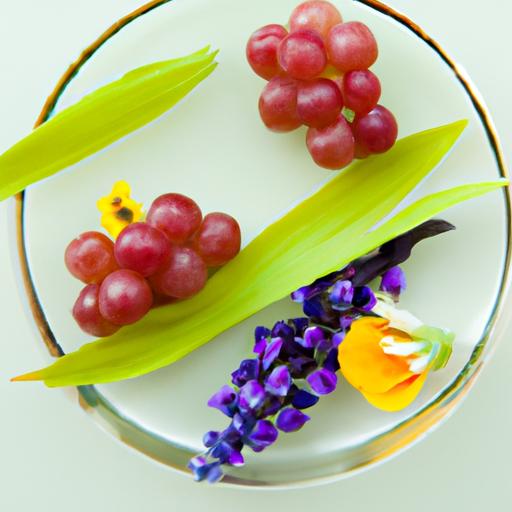
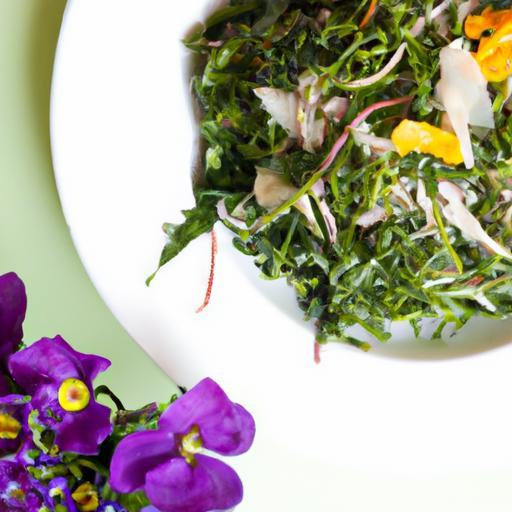

In a world where culinary artistry and nature’s beauty entwine, edible flower garnishes are blooming into the spotlight-transforming dishes from simple meals into vibrant celebrations for the senses. “Blooming Bites: A Guide to Edible Flower Garnishes” invites you on a fragrant journey through gardens of flavor and color, revealing how these delicate petals can elevate your plate with not just visual charm but subtle tastes and textures.Whether you’re a seasoned chef or a curious home cook, discover the secrets behind selecting, preparing, and pairing edible blossoms that turn every bite into a masterpiece blossoming with creativity.
Choosing the Perfect Petals for Flavor and Visual Impact
Blooming bites offers a engaging journey into the world of edible flowers, where selecting the right petals can transform simple dishes into unforgettable culinary experiences. Imagine vibrant hues, delicate textures, and subtle flavors elevating your plates – this is where the magic begins.
Safe Selection and Readiness of Edible Flowers
Safety is paramount when incorporating edible flowers into your recipes. Always ensure your blossoms are organic, free from pesticides, and specifically labeled as edible. Popular safe varieties include nasturtium, pansies, calendula, and violets. Avoid flowers sourced from florists or garden centers, as they may have harmful chemical treatments.
Before use, gently rinse petals under cold water to remove any dirt or insects. pat dry with a clean towel or use a salad spinner for delicate petals.Remove pistils and stamens from flowers like hibiscus or rose, as these parts can introduce bitterness. Store prepared petals in a sealed container lined with damp paper towels within the refrigerator to maintain freshness.
Creative Pairings and Presentation Techniques to elevate Your Dishes
Pairing edible flowers with complementary ingredients intensifies both flavor and visual allure in your dishes. Such as, peppery nasturtium petals beautifully enhance fresh cheeses and green salads, while sweet lavender petals can elevate desserts like panna cotta or lemon tarts.
Presentation is an artform: scatter petals lightly over creamy soups for a springtime vibe, weave small blooms into herb bouquets, or press flowers into homemade butter for an elegant touch. Use contrasting colors-a deep purple violet against a crisp green salad creates instant wow-factor. Remember, less is often more; delicate petals work best as scattered accents rather than overwhelming toppings.
Sourcing and Storing Edible Flowers for Maximum Freshness
Reliable sources are key for fresh, flavorful petals. Seek out local farmers’ markets or specialty grocers who sell certified edible flowers. Alternatively, growing your own edible garden ensures you have the freshest blooms at your fingertips. Varieties like borage, marigolds, and chamomile are easy to cultivate and harvest.
Store flowers unwashed in breathable containers lined with a damp paper towel to maintain moisture without sogginess. Keep them in the fridge’s crisper drawer away from strong-smelling foods to preserve delicate aromas.Use flowers within 2-3 days for optimal flavor and appearance, and avoid freezing as it compromises texture.
Prep and Cook Time
- Prep Time: 15 minutes
- Cook Time: 0 minutes (no cooking required)
Yield
Serves 4-6 as garnish or centerpiece accent
Difficulty Level
Easy – perfect for beginners exploring floral culinary styling
Ingredients
- 1 cup nasturtium petals, washed and dried
- 1/2 cup pansy petals, bright mixed colors
- 1/4 cup calendula petals, shredded
- 2 tablespoons rose petals, de-stemmed and chopped
- 1 teaspoon edible gold leaf (optional, for luxe garnish)
- Fresh herbs (e.g., mint, basil) for complementary display
instructions
- Prepare the petals: Rinse all flowers gently under cold water and dry completely using a salad spinner or paper towel.
- Remove any bitter parts: Carefully pluck stamens and pistils from rose and calendula petals to avoid unwanted bitterness.
- Combine petals: In a shallow bowl, mix nasturtium, pansy, calendula, and rose petals, ensuring vibrant color variety.
- Store briefly: Keep petals in the refrigerator wrapped loosely in a damp paper towel until ready to use (no longer than 2 hours is best).
- Garnish your dish: Scatter petals artistically over salads, deviled eggs, or desserts. For added elegance, delicately place small pieces of edible gold leaf atop rose petals.
- Present with fresh herbs: Arrange petals alongside fresh mint or basil sprigs to deepen the sensory experience and enhance aroma.
Chef’s notes
- Substitute rose petals with geranium petals for a fruity hint.
- For a spicy kick, add chive blossoms along with petals.
- Use a pair of tweezers for precise flower placement on delicate desserts.
- Best to add petals just before serving to prevent wilting.
- Try crystallizing petals with simple syrup and sugar for longer-lasting decorations.
Serving Suggestions
Layer petals over creamy goat cheese crostini for an elegant appetizer. Brighten spring salads by tossing petals with baby greens, toasted nuts, and citrus vinaigrette. adorn lemon or honey-flavored cakes for whimsical charm. A simple scoop of vanilla ice cream dressed with violet and lavender petals becomes a breathtaking dessert experience. Remember to explore more floral flavor combinations for endless inspiration.
| Nutrient | Amount per Serving |
|---|---|
| Calories | 5 kcal |
| Protein | 0.2 g |
| Carbohydrates | 1 g |
| Fat | 0 g |

For more in-depth knowledge on edible flower safety and creative uses, visit Healthline’s guide to edible flowers.
Q&A
Q&A: Blooming Bites - A Guide to Edible Flower Garnishes
Q1: What exactly are edible flower garnishes?
A1: Edible flower garnishes are blossoms safe for consumption that chefs and home cooks use to beautify and elevate the flavors of dishes. From vibrant pansies to fragrant nasturtiums, these floral delights add color, texture, and sometimes a hint of flavor-think peppery, sweet, or citrusy notes-to everything from salads to cocktails.
Q2: Are all flowers safe to eat?
A2: Not at all! While many flowers are edible and flavorful, others can be toxic or cause allergic reactions. It’s crucial to use only flowers known to be safe for consumption-like violets, marigolds, calendula, and borage-and avoid any blossoms treated with pesticides or chemicals. When in doubt,consult a trusted guide or expert.Q3: How do edible flowers change the dining experience?
A3: Beyond their visual charm, edible flowers engage multiple senses. their unique shapes and vibrant hues add an artistic flourish, while subtle flavors can provide surprising twists-like a spicy kick from nasturtiums or a honeyed sweetness from lavender. They invite guests to slow down, savor, and truly experience their food.
Q4: How should edible flowers be prepared and stored?
A4: Handle these delicate gems with care! Harvest flowers early in the morning when they’re most hydrated, rinse gently, and pat dry. Store them in the refrigerator inside a sealed container lined with damp paper towels to keep them fresh. Use them as close to harvest time as possible to maintain their beauty and flavor.
Q5: What are some creative ways to incorporate edible flowers into dishes?
A5: The possibilities bloom endlessly! Sprinkle petals atop fresh salads, use whole blossoms as cocktail toppers, fold them into dough for colorful bread, infuse syrups or honeys, or ice them into frozen treats. They’re also stunning when candied and used as cake decorations, making desserts feel like edible bouquets.
Q6: Can edible flowers be grown at home?
A6: Absolutely! Many popular edible flowers-like nasturtium, pansies, and chamomile-are easy to grow in pots or garden beds. Growing your own ensures pesticide-free petals and fresh supply. Plus, it’s a rewarding way to connect with your food and add natural beauty to your green space.
Q7: Any tips for pairing edible flowers with flavors?
A7: Think about the flower’s taste profile and match it harmoniously with your dish. Peppery nasturtiums complement salads with sharp vinaigrettes. Sweet lavender pairs beautifully with vanilla or honey desserts. Citrusy lemon balm flowers brighten fish dishes. Experimentation is key-let your palate be your guide.
Q8: What should beginners know before trying edible flower garnishes?
A8: Start small and simple! Choose well-known edible flowers, buy from reputable suppliers or grow your own, and use flowers fresh and unblemished. Remember,flowers are garnishes-they should enhance,not overpower,your dish. Most importantly,have fun exploring this fragrant and colorful culinary frontier!
Ready to let your plate blossom? with these tips from blooming Bites,edible flowers can transform your meals into stunning,flavorful works of art-one petal at a time.
Future Outlook
As you embark on your culinary ventures with edible flowers, remember that these delicate blooms do more than just beautify a plate-they invite a sensory experience that delights the eye, ignites the palate, and elevates every bite into an artistic celebration. Whether sprinkled atop a fresh salad, nestled alongside desserts, or steeped into fragrant teas, edible flower garnishes breathe life and color into your creations. Let “Blooming Bites” be your starting petal on this flavorful journey, inspiring you to explore nature’s garden and transform ordinary dishes into exceptional feasts for both the senses and the soul. Happy garnishing!