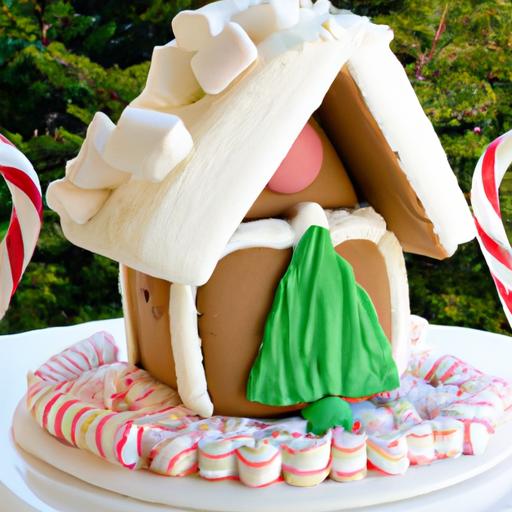
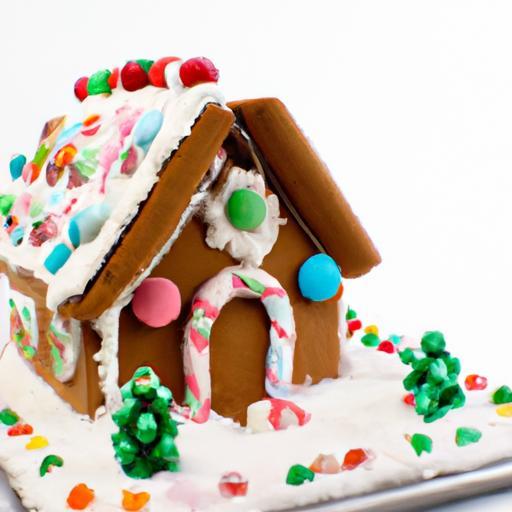

There’s somthing magical about gingerbread houses-teh way their spiced aroma fills the air, the joyful colors of candy decorations, and the playful challenge of assembling sweet, edible architecture. But for those who navigate the world gluten-free, the classic gingerbread recipe can feel like a closed door on a cherished holiday tradition.Fear not! Building joy doesn’t have to come with compromise.In this guide, we’ll unwrap the secrets to creating a stunning gluten-free gingerbread house that’s every bit as delightful, sturdy, and scrumptious as its conventional counterpart. Whether you’re a seasoned baker or a first-time builder, get ready to mix, mold, and decorate your way to a festive masterpiece that brings smiles-and gluten-free goodness-to your holiday celebrations.
Choosing the perfect gluten-free flour is the cornerstone of crafting a gingerbread house that balances sturdy support with delectable flavour. In my years of creating gluten-free delights, I’ve found that the ideal flour blend not only yields a dough that’s easy to shape and cut but also delivers that warm, spicy bite gingerbread lovers crave. The magic lies in blending flours that complement each other’s textures-think nutty almond flour, nutty yet slightly gritty tapioca starch, and earthy sorghum flour-to achieve both resilience and tenderness.
Prep and Cook Time
- Readiness: 25 minutes
- Chilling: 2 hours
- Baking: 15-20 minutes
- Total Time: approximately 3 hours
Yield
Enough dough for one medium-sized gingerbread house (roughly 8 x 8 x 7 inches)
Difficulty Level
Medium – Perfect for bakers ready to embrace a little challenge with rewarding results
Ingredients
- 1 cup gluten-free all-purpose flour (with xanthan gum included; sifted)
- 1/2 cup almond flour (finely ground for smooth texture)
- 1/4 cup tapioca starch (adds chewiness and adaptability)
- 1/2 teaspoon baking soda
- 1 tablespoon ground ginger
- 1 teaspoon ground cinnamon
- 1/4 teaspoon ground cloves
- 1/4 teaspoon kosher salt
- 1/4 cup unsalted butter (room temperature)
- 1/2 cup dark brown sugar (packed)
- 1 large egg
- 1/4 cup unsulfured molasses
- 1 teaspoon pure vanilla extract
Instructions
- Combine dry ingredients: In a large bowl, whisk together the gluten-free all-purpose flour, almond flour, tapioca starch, baking soda, spices, and salt. This dry blend ensures balance in flavor and structure.
- Cream butter and sugar: Using a stand mixer or hand mixer, beat the room temperature butter with brown sugar until fluffy and light, about 3 minutes. This step is crucial to aerate the dough for tender cookies.
- Add wet ingredients: beat in the egg, molasses, and vanilla extract until the mixture is smooth and glossy.
- Combine dry and wet: Gradually add the dry ingredients to the wet mix, combining until the dough pulls together but is not sticky. If too crumbly, add 1 tablespoon of cold water at a time.
- Chill the dough: Wrap dough tightly in plastic and chill for at least 2 hours. This resting period firms the dough, easing rolling and preventing spreading.
- Preheat oven and prepare sheets: Preheat to 350°F (175°C).Line baking sheets with parchment paper for easy removal and even baking.
- Roll dough evenly: On a lightly floured surface (using gluten-free flour), roll dough to about 1/4 inch thickness. Use a sharp knife or metal gingerbread house template for clean, straight edges-this is key for sturdy assembly.
- Bake carefully: Transfer shapes to sheets and bake 15-20 minutes until edges are just firm but not brown.Slightly underbaking keeps the structure pliable and less prone to cracking.
- Cool thoroughly: Let cookies cool fully on wire racks before decorating or assembling. Warm pieces will warp and weaken your build.
Tips for Success
- Flour blend matters: Experiment with your gluten-free all-purpose flour brands-some are starch-heavy and fragile; others have more protein for structure. Adding almond flour boosts moisture, creating a resilient dough ideal for gingerbread houses.
- Chill twice: If dough seems sticky after the first chill, pop it back in the fridge before rolling. Dry, cold dough cuts cleaner and rolls out without cracking.
- Use sharp edges: Metal or acrylic rulers and gingerbread house stencils help perfect those clean, crisp cuts essential for easy assembly.
- Handle with care: When transferring rolled pieces, slide a wide spatula beneath to prevent breakage-especially crucial with gluten-free dough’s delicate nature.
- Make-ahead: Dough freezes beautifully.Roll out and cut shapes before freezing flat between parchment sheets for fast assembly days later.
serving Suggestions
Once your gingerbread house stands tall, bring it to life with vibrant royal icing, drizzled candy melts, and seasonal candies like crushed peppermint or mini gumdrops. For added charm, pipe snow-dusted frosting along rooflines and frame windows with edible glitter for sparkle.Display your masterpiece on a festive platform of crushed cookies or coconut “snow,” paired with warm spiced tea or creamy hot chocolate for a cozy holiday gathering.
| Nutrient | Per Serving (1/10 house pieces) |
|---|---|
| Calories | 210 kcal |
| Protein | 3 g |
| Carbohydrates | 28 g |
| fat | 9 g |
For further inspiration and to explore more gluten-free baking essentials,visit Gluten-Free Girl. Learn how our guiding principles complement your creative flour choices to craft joyous, edible art.
And don’t miss our related guide on Decorating Gluten-Free Gingerbread Houses with confidence for pro tips on elevating your winter wonderland!

Q&A
Q&A: Building Joy – Your Guide to a Gluten-Free Gingerbread House
Q1: Why choose a gluten-free gingerbread house?
A: Because joy should be for everyone! Whether you have gluten sensitivities or simply want to try something new, a gluten-free gingerbread house lets you indulge in holiday traditions without worry. Plus, it opens the door to creative flours and flavors that make your gingerbread uniquely magical.
Q2: can you really get gingerbread to hold together without traditional wheat flour?
A: Absolutely! The key is selecting the right gluten-free flours-like almond, rice, or oat flour-and combining them with binding agents such as xanthan gum or flaxseed meal. This blend creates a sturdy dough that bakes into crisp,cuttable panels perfect for building your sweet masterpiece.
Q3: What’s the secret to a flawless gluten-free gingerbread dough?
A: Balance and patience. measure with care, chill the dough properly, and don’t rush rolling or cutting your shapes. A well-chilled dough is easier to handle and prevents cracking. Remember,a little extra love (and maybe an extra egg or two) can help the ingredients unite in perfect harmony.
Q4: How do you ensure your gluten-free gingerbread house stays standing?
A: Royal icing is your edible cement. made from egg whites or meringue powder and powdered sugar, it dries hard and strong-like magic glue.Apply generous amounts at joints and use small supports if needed while it dries. Give it plenty of time; patience builds not just houses but memories.Q5: Any tips for decorating a gluten-free gingerbread house?
A: Go wild! Use naturally gluten-free treats like candy canes, gumdrops, dried fruit, and nuts for colorful embellishments. Drizzle icing to look like snow, sprinkle edible glitter for sparkle, and sprinkle toasted coconut for frosty roofs. Your gingerbread house is a canvas-let your creativity run free.Q6: What if I’m new to gluten-free baking-where should I start?
A: Start simple and embrace the learning curve.Test your dough with small batches, tweak ingredients as needed, and don’t be discouraged by a crumbly start. There’s a joyful satisfaction in every step, from mixing to decorating. With each attempt, you’ll build not only gingerbread walls but confidence too.
Q7: how do gluten-free gingerbread traditions enrich holiday celebrations?
A: They make inclusivity the centerpiece of the season. When everyone can join in the fun-regardless of dietary needs-the holiday spirit grows stronger. plus, experimenting with gluten-free recipes frequently enough sparks new traditions, tastes, and stories that bring families closer.
Q8: Can children join in building a gluten-free gingerbread house?
A: Definitely! Gingerbread houses are a fantastic family activity. Just prep some dough ahead to make the building easier, and let kids dive into decorating with their favorite colorful treats. It’s a sweet way to bond, learn, and spread smiles-no gluten required.
Q9: Where can I find reliable gluten-free gingerbread recipes?
A: Look for trusted gluten-free baking blogs, holiday cookbooks, or communities devoted to allergy-friendly cooking. Many offer tested recipes rich in flavor and sturdiness. Experimentation makes it fun-so mix and match until you find your perfect blend.
Q10: What’s the most important ingredient in building joy with your gluten-free gingerbread house?
A: Love-sprinkled generously in every step. From mixing the first bowl to placing the final candy, it’s the joy, care, and togetherness infused into this flavorful tradition that truly makes it shine. Happy building!
The Way Forward
As you place the final candy decoration and step back to admire your gluten-free gingerbread house, remember that the true magic isn’t just in the sweet, spiced flavors or the colorful adornments-it’s in the joy of crafting something with care, creativity, and a sprinkle of holiday spirit. Building your gluten-free gingerbread house is more than a festive activity; it’s a party of inclusivity and imagination, proving that delicious traditions can be adapted and enjoyed by all. So, gather your loved ones, embrace the wonderfully imperfect, and let this joyful creation bring warmth and smiles to your home throughout the season and beyond.