
In the world of modern gastronomy and molecular cuisine, the art of crafting delicate spheres has captured the imaginations-and palates-of chefs and home cooks alike. At the heart of this culinary magic lies the humble calcium chloride bath, a seemingly simple solution that holds the power to transform liquids into edible pearls of flavor and texture. Mastering calcium chloride baths is more than just a technique; it’s a journey into the science of spherification, where chemistry meets creativity. In this article, we’ll dive deep into the essentials of perfecting your calcium chloride baths, uncovering tips and tricks to elevate your sphere creation from curious experiment to stunning centerpiece. Whether you’re aiming to surprise guests with bursts of fruit flavor or to explore innovative presentations, understanding this vital step will unlock a new dimension of culinary artistry.
Mastering calcium Chloride Baths: Perfecting Sphere Creation
Mastering calcium chloride baths is the key to unlocking the magic of flawless spheres in modern gastronomy. This technique, blending the precision of science and the art of cooking, transforms simple liquids into captivating edible orbs that burst with flavor and surprise.originating from the innovative molecular gastronomy movement, perfecting sphere creation elevates your culinary presentations and delights diners with a playful textural contrast.
Prep and Cook Time
- Preparation: 15 minutes
- Setting Time: 3-5 minutes per batch
- Total Time: Approximately 30 minutes
Yield
About 20 medium-sized spheres (depending on droplet size)
difficulty Level
Medium – Requires attention to detail but highly rewarding
Ingredients
- 5 g calcium chloride (food-grade, powdered form)
- 1 L distilled water (to prepare calcium chloride bath)
- 50 g sodium alginate (for the alginate solution)
- 500 ml flavored liquid (fruit juice, broth, or any liquid for spherification)
- Ice water bath (for rinsing spheres)
Instructions
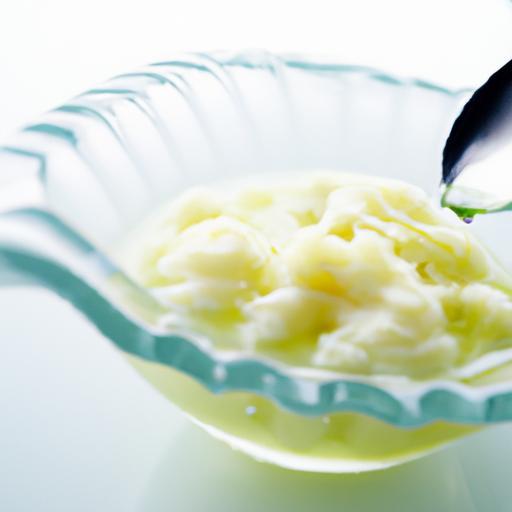
- Prepare the calcium chloride bath: Dissolve 5 g of calcium chloride into 1 L of distilled water. Stir gently until fully dissolved.Chill the bath in the refrigerator while preparing other components.
- Make the alginate solution: Slowly blend 50 g of sodium alginate into 500 ml of your chosen flavored liquid with an immersion blender. Allow it to hydrate and remove air bubbles by resting for at least 2 hours or overnight in the refrigerator.
- Optimize solution concentration: Test the alginate viscosity by dropping a small amount into the calcium chloride bath. If the spheres form too quickly or thinly, adjust sodium alginate levels accordingly (±5 g) for consistency.
- Create droplets with precision: Use a calibrated syringe or a spherical spoon to gently drip the alginate mixture into the calcium chloride bath.Hold the droplet just above the surface to avoid deformation.
- Allow spheres to set: Let spheres sit in the calcium chloride bath for 3-5 minutes, depending on desired membrane thickness. Longer times yield firmer spheres.
- rinse spheres: Transfer spheres into an ice water bath using a slotted spoon or fine mesh strainer. This step removes excess calcium chloride and halts further gelation.
- Handle spheres carefully: Use a slotted spoon or fine mesh skimmer to move spheres gently, avoiding ruptures. Serve immediately or keep chilled immersed in clean water.
Tips for Success When Mastering Calcium Chloride Baths
- Consistency is king: Always use distilled water and measure ingredients precisely.Variations in water hardness or alginate quality can affect gelation.
- Viscosity matters: The alginate solution should be smooth and free of clumps.Blending thoroughly helps produce perfect spheres.
- Control bath concentration: Do not exceed 0.5% calcium chloride solution (5 g/L) for a delicate membrane; higher concentrations produce thicker, tougher spheres.
- Droplet technique: Practice makes perfect.for tiny spheres, use pipettes or droppers designed for uniform droplets. Avoid shaking the sphere bath during formation.
- Troubleshooting common issues: If spheres are fragile or breaking easily, shorten bath time or reduce calcium concentration.If membranes are too thick, shorten setting time.
- Make ahead: Prepare alginate solution in advance and store in the fridge. Fresh calcium chloride baths should be made daily for best results.
Serving Suggestions
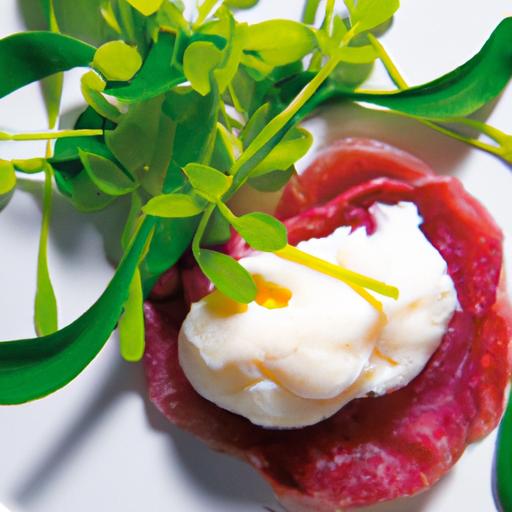
Serve these spheres on minimalist plates to highlight their glistening appearance. Try pairing with contrasting textures like crunchy microgreens or crumbly nuts. Garnish with edible flowers or a drizzle of reduction sauces for an elegant touch. Perfect for topping salads, cocktails, or desserts, spherification adds a dramatic moment of flavor release and visual intrigue.

| Nutrient | Per Sphere (10g) |
|---|---|
| Calories | 8 |
| Protein | 0 g |
| Carbohydrates | 2 g |
| Fat | 0 g |
For further insight into molecular gastronomy techniques, explore our Molecular Gastronomy Basics article, or dive into authoritative research from ScienceDirect for advanced chemistry data.
Q&A
Q&A: Mastering Calcium Chloride Baths – Perfecting Sphere Creation
Q1: What exactly is a calcium chloride bath, and why is it crucial for sphere creation?
A calcium chloride bath is a solution used in molecular gastronomy that helps turn liquid droplets into firm, edible spheres through a process called spherification. When you drop a liquid containing sodium alginate into the calcium chloride bath, calcium ions react with the alginate to form a delicate gel membrane around the droplet, creating a perfect sphere that bursts with flavor when eaten.
Q2: How does the concentration of calcium chloride affect the sphere formation?
The concentration of calcium chloride directly influences the thickness and texture of the gel layer.Higher concentrations typically lead to firmer, thicker skins, which might hold up better during handling but can diminish the delicate “pop” experience. Lower concentrations yield thinner membranes that burst more easily but can be fragile. balancing concentration (frequently enough between 0.5% and 2%) is key to crafting spheres that are both resilient and enjoyable.
Q3: What role does time play in the immersion of droplets in the calcium chloride bath?
Timing is everything. A swift dip (10-30 seconds) usually forms a thin membrane ideal for soft spheres that burst on the tongue, while longer immersion times encourage a thicker gel layer. However, leave them in too long and the spheres risk becoming rubbery or overly firm. Experimenting with duration helps achieve the perfect texture, depending on your culinary vision.
Q4: Can the temperature of the calcium chloride bath impact the outcome?
Yes! Warmer baths generally speed up the spherification reaction, producing faster gelation and firmer spheres in less time. Cooler baths slow the process, allowing for more control but requiring longer immersion. Typically, room temperature (20-25°C or 68-77°F) strikes a sweet spot, but slight adjustments can tune texture according to your needs.
Q5: Are there any tricks to preventing the calcium chloride bath from becoming cloudy or contaminated?
Keeping the bath clean ensures consistent results. stir gently between uses to redistribute calcium ions evenly. Using filtered water and replenishing the solution regularly prevents cloudiness and unwanted bacterial growth. Some chefs also strain the bath periodically to remove gel bits or impurities, maintaining a crystal-clear solution vital for pristine spheres.
Q6: How do you handle and store spheres after removal from the calcium chloride bath?
Once formed, spheres should be rinsed gently in a cold water bath to remove excess calcium chloride taste and prevent ongoing gelation. Store them in a liquid similar to their core flavor or simple water to maintain their shape and freshness. Consume within a few hours for optimal texture and flavor – the clock starts ticking the moment they leave the bath!
Q7: Can calcium chloride baths be reused,or do they degrade over time?
While calcium chloride baths can be used repeatedly during a single cooking session,their calcium ion concentration will diminish with each sphere produced,affecting performance. it’s good practice to monitor concentration and refresh the bath regularly. Extended storage is absolutely possible if kept refrigerated, but always check clarity and potency before reuse.
Q8: What common pitfalls should be avoided when working with calcium chloride baths?
Avoid over-diluting the bath, as weak calcium ion presence leads to fragile spheres. Don’t leave spheres in the bath too long, or they’ll become rubbery. Also, be mindful that some calcium chloride solutions have a bitter or salty taste-rinsing spheres afterwards helps mitigate this. Lastly, be cautious mixing incompatible ingredients that can interfere with gelation.
Mastering your calcium chloride bath is like tuning an instrument-subtle adjustments turn good spheres into exceptional edible jewels. With practice, patience, and a pinch of curiosity, you’ll soon be crafting spheres that dazzle both the eye and the palate!
Wrapping up
As you venture further into the captivating world of calcium chloride baths, remember that mastering the art of sphere creation is both science and subtle craft.Every droplet, every timing adjustment, and every temperature tweak brings you closer to achieving that flawless, delicate sphere that bursts with flavor and precision.Embrace experimentation, document your results, and let curiosity guide your hands-as in the dance of chemistry and creativity, perfection is not just a destination, but an ever-evolving journey.With these insights at your fingertips,your next calcium chloride bath won’t just create spheres; it will craft edible marvels that delight the senses and elevate your culinary artistry.