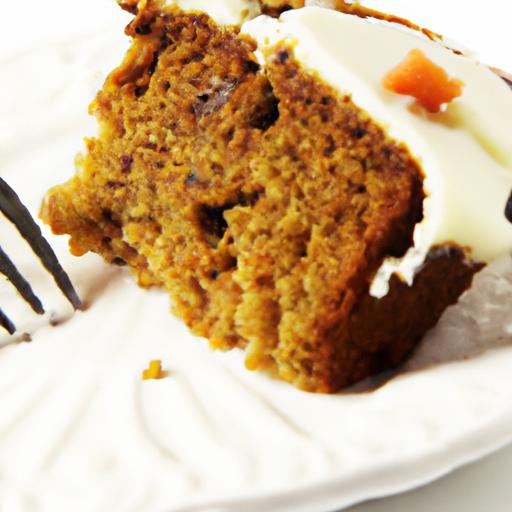
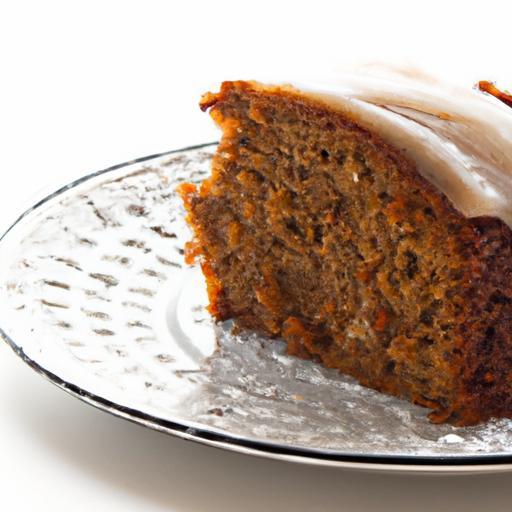

Beneath its humble, orange-hued exterior, the carrot cake conceals a rich tapestry of history and culinary intrigue that few dessert lovers stop to consider. Far more than a mere moist slice of sweetness, this beloved treat weaves together centuries of innovation, unexpected ingredients, and cultural twists that have transformed it from a practical peasant dessert into a modern-day indulgence. In this article, we embark on a journey through time and taste, unearthing the sweet history and secret origins behind carrot cakes-a story as layered and delightful as the cake itself.
The Sweet History and Secrets Behind Carrot Cakes Revealed unlocks a delicious journey through time, unwrapping the vibrant origins and transformations of this beloved dessert. Carrot cake, once a humble way to use sweet vegetables when sugar was costly, has evolved into a moist, flavorful indulgence savored worldwide. As you explore this rich tradition, you’ll discover time-tested ingredients and inventive modern twists that bring this cake to life, alongside expert baking and decorating tips to make every slice perfect.
Prep and Cook Time
- Readiness Time: 20 minutes
- Cooking Time: 40-45 minutes
- Total time: 1 hour 5 minutes
Yield
Serves 8-10 generously sized slices.
Difficulty Level
Medium – perfect for enthusiastic home bakers ready to master a classic with depth and flair.
Ingredients That Make Carrot Cakes Irresistibly Moist and Flavorful
- 1 ½ cups all-purpose flour, sifted
- 1 teaspoon baking powder
- ½ teaspoon baking soda
- 1 teaspoon ground cinnamon
- ½ teaspoon freshly grated nutmeg
- ¼ teaspoon fine sea salt
- 1 cup granulated sugar
- ½ cup light brown sugar, packed
- 3 large eggs, at room temperature
- ¾ cup vegetable oil or light olive oil
- 1 teaspoon pure vanilla extract
- 2 cups finely grated carrots (about 3 medium carrots)
- ½ cup crushed pineapple, drained (optional for extra moisture)
- ½ cup chopped toasted walnuts or pecans
- ½ cup unsweetened shredded coconut (optional)
Instructions: Baking Your Perfect Carrot Cake
- Preheat your oven to 350°F (175°C). Grease and flour a 9-inch round cake pan or line it with parchment paper for easy release.
- Whisk together the flour, baking powder, baking soda, cinnamon, nutmeg, and salt in a medium bowl. This ensures even spice distribution for that warm, aromatic flavor.
- In a large bowl, beat the granulated sugar and brown sugar with the eggs until pale and creamy, about 3 minutes. This step adds air and lightness to your batter.
- Slowly pour in the oil and vanilla, continuing to mix until emulsified and smooth.
- Fold in the grated carrots, pineapple (if using), nuts, and shredded coconut, distributing evenly through the batter.
- Gently fold the dry ingredients into the wet mixture in two additions. Use a spatula and stir just until combined-overmixing will toughen the crumb.
- Pour the batter into your prepared pan, smoothing the top with a spatula.Tap the pan lightly on the counter to release air bubbles.
- Bake for 40 to 45 minutes or until a toothpick inserted in the center comes out clean with just a few moist crumbs.
- Cool in the pan for 10 minutes, then transfer to a wire rack to cool completely before frosting.
Chef’s Notes: Tips for success with Carrot Cake
- Carrots: Finely grate for tender texture. Avoid coarser chunks that can disrupt the cake’s delicate crumb.
- Moisture Magic: Incorporate crushed pineapple or unsweetened applesauce to boost moisture while adding subtle tang.
- Nut Variations: Swap walnuts or pecans with toasted almonds or hazelnuts for a unique crunch.
- Spice Balance: Adjust cinnamon and nutmeg according to your flavor preference-try a pinch of ground ginger for a modern twist.
- Make Ahead: Bake the cake a day ahead. Wrap tightly and store at room temperature to develop deep flavors.
- Frosting: Classic cream cheese frosting is ideal. Chill the cake before frosting to avoid melting and ensure clean, smooth decorating.
Customary Recipes Versus Modern Twists on Classic Carrot Cake
Traditional carrot cakes are defined by their simplicity and nostalgia-ground spices, nuts, and classic cream cheese icing. Modern variations may include gluten-free flours, option sweeteners, or additions like tropical fruits and exotic spices that echo global influences. Experimenting within this timeless framework allows bakers to honor history while creating personalized new favorites.
Serving Suggestions
Slice your carrot cake with a sharp serrated knife,serving each piece with a generous dollop of luscious cream cheese frosting. Garnish with a sprinkle of finely chopped nuts, a few carrot curls made with a vegetable peeler, or delicate edible flowers to elevate the visual appeal. This dessert pairs beautifully with a cup of spiced chai or freshly brewed coffee for a cozy indulgence.
| Nutritional Info (per serving) | Calories | Protein | Carbs | Fat |
|---|---|---|---|---|
| Traditional Carrot Cake | 320 kcal | 5 g | 40 g | 17 g |
| With Pineapple & Nuts | 350 kcal | 6 g | 42 g | 18 g |
For more on vegetable-based desserts and inventive baking techniques, explore our Vegetable-Based Desserts Guide. To dive deeper into carrot cake’s fascinating roots, visit the Encyclopedia Britannica’s carrot cake history.

Q&A
Q&A: the Sweet History and Secrets Behind Carrot Cakes Revealed
Q1: Where did the carrot cake originate?
A1: Carrot cake’s roots trace back to medieval Europe, where sweeteners were scarce and bakers used naturally sweet vegetables like carrots to enhance desserts. The concept evolved over centuries, with early carrot puddings appearing in 16th-century cookbooks, eventually blossoming into the rich, moist cakes we adore today.
Q2: Why carrots? What makes them special in cake?
A2: Carrots aren’t just a clever sneaky vegetable for health-when grated and baked, they release moisture and natural sugars that infuse the cake with a tender crumb and subtle sweetness. Their fiber also adds texture, creating a moist, luscious bite that’s hard to resist.
Q3: How did carrot cake become popular in modern times?
A3: Carrot cake soared in popularity in the 1960s and ’70s, thanks in part to the health food movement that embraced its vegetable content as a wholesome twist. Its rich cream cheese frosting and spiced batter appealed to both nostalgic and new bakers alike, catapulting it into the dessert hall of fame.
Q4: What are some secret ingredients or tips to perfecting carrot cake?
A4: Beyond the classic cinnamon, nutmeg, and walnuts, experts frequently enough add pineapple or applesauce for extra moisture and tang. Using freshly grated carrots rather than pre-shredded ensures better texture. Also,resting the batter for a few minutes before baking lets the flavors meld beautifully.
Q5: is carrot cake more than just a dessert?
A5: Absolutely! Carrot cake bridges the gap between indulgence and nutrition, embodying a clever culinary paradox.It celebrates the earthiness of vegetables while satisfying a sweet tooth, making it a timeless treat that tells a story of innovation, tradition, and comfort all in one slice.
Q6: any fun facts about carrot cake?
A6: here’s a sweet tidbit: during World War II, British cooks popularized carrot cakes as a clever way to combat rationing, substituting scarce sugar with carrots’ natural sweetness. Also, the largest carrot cake ever baked weighed over 1,600 pounds-talk about a party centerpiece!
Q7: Can carrot cake be adapted to fit modern dietary preferences?
A7: Indeed! From gluten-free flours and vegan cream cheese frostings to reduced sugar recipes, carrot cake adapts beautifully to a variety of diets. Its flexible base welcomes creativity, making it a favorite across generations and lifestyles.
Carrot cake is much more than a humble dessert; it’s a slice of history, a bit of botanical magic, and a delicious symbol of culinary creativity. Next time you savor its sweet, spiced layers, remember you’re partaking in a centuries-old tradition layered with secrets waiting to be discovered.
Final Thoughts
From humble beginnings rooted in frugality and resourcefulness to becoming a beloved dessert centerpiece at celebrations worldwide, carrot cake has truly earned its sweet spot in culinary history. Its layered story, rich with cultural twists and secret ingredients, reminds us that the simplest of roots can yield the most delightful surprises. So the next time you savor a moist slice topped with cream cheese frosting, remember-you’re tasting more than just cake; you’re indulging in centuries of creativity, tradition, and a sprinkle of mystery baked into every bite.