
In kitchens around the world, a humble vegetable is quietly sparking a culinary revolution. Cauliflower, long relegated to the side of the plate, has been transformed into something remarkable: cauliflower rice. This low-carb grain option is not just a trendy substitute-itS rewriting the rules of healthy eating with its versatility, nutrition, and surprising texture. Join us as we unravel the story behind cauliflower rice, exploring how this once-overlooked cruciferous star has become a staple for those seeking to enjoy comforting dishes without the carb overload. Welcome to the low-carb grain revolution-where cauliflower takes center stage.
Cauliflower rice has swiftly become a culinary staple in kitchens worldwide, reshaping how we approach low-carb eating without sacrificing flavor or texture. Originating from health-conscious communities seeking nutritious grain alternatives, this versatile ingredient offers a delightful way to enjoy the familiar comfort of rice with a vibrant, vegetable-forward twist. Imagine fluffy, subtly nutty grains that absorb spices and sauces effortlessly, lending themselves perfectly to a variety of global cuisines.Whether you’re a seasoned home cook or a curious foodie, mastering cauliflower rice opens the door to endless creative possibilities that nourish both body and palate.
Prep and Cook Time
- Planning: 10 minutes
- Cooking: 8 minutes
- Total Time: 18 minutes
Yield
Serves 4 as a side dish
Difficulty Level
Easy
Ingredients
- 1 medium head cauliflower (about 4 cups riced)
- 1 tablespoon olive oil or avocado oil
- 2 cloves garlic, minced
- 1/2 teaspoon sea salt
- 1/4 teaspoon freshly ground black pepper
- 1/2 cup finely chopped onion (optional)
- 1 tablespoon fresh parsley or cilantro, chopped (for garnish)
- 1 teaspoon lemon zest (optional for brightness)
Instructions
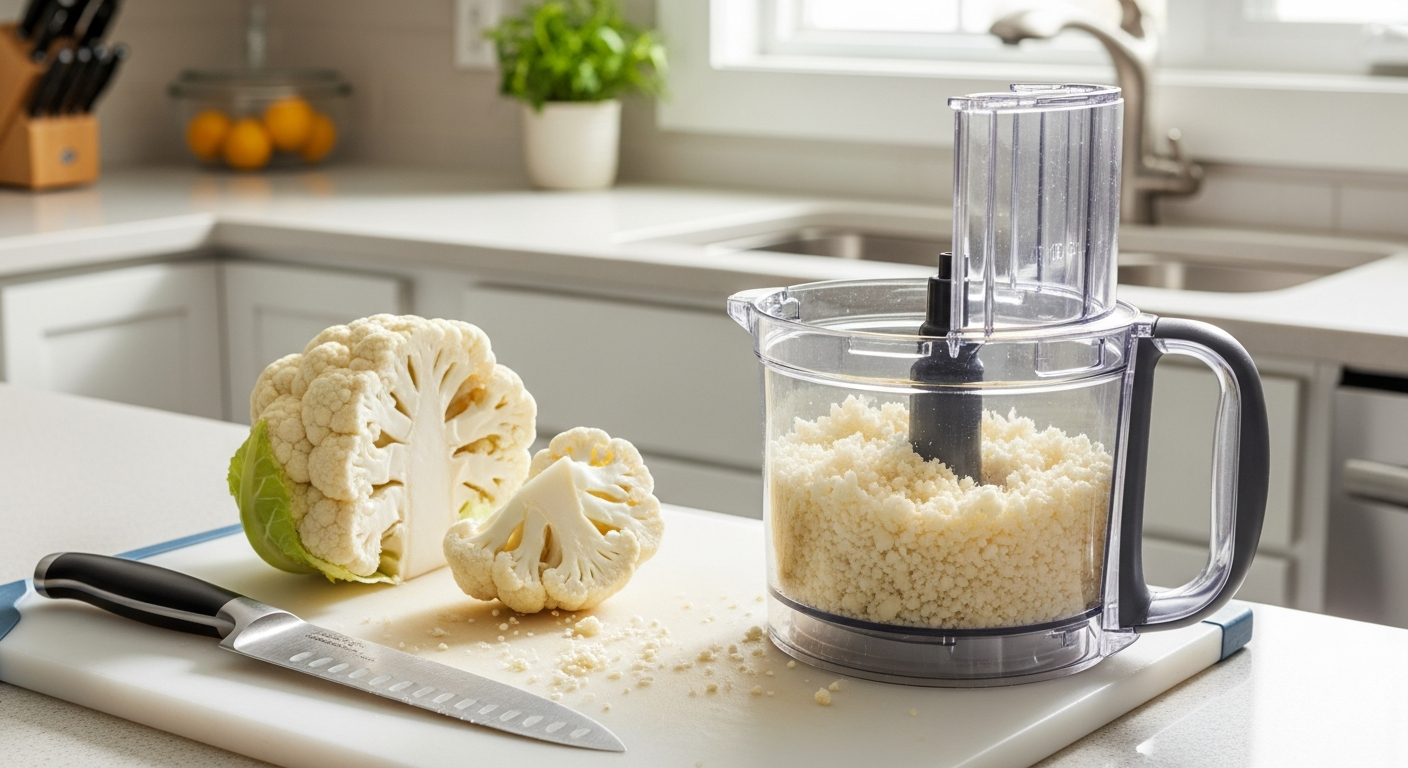
- Prepare the cauliflower rice. Remove leaves and core the cauliflower. Pulse florets in a food processor in small batches until the texture resembles grains of rice. Avoid over-processing to prevent mushiness.
- Heat the oil. In a large skillet over medium heat, add olive oil and gently sauté the minced garlic and chopped onion (if using) until fragrant and translucent, about 2-3 minutes.
- Add the cauliflower rice. Stir into the skillet and cook, stirring occasionally, for 5 to 8 minutes until the rice softens but retains a slight bite. for best texture, avoid overcrowding the pan; cook in batches if needed.
- Season. Sprinkle sea salt and black pepper evenly, and stir in lemon zest if using, to brighten the flavors.
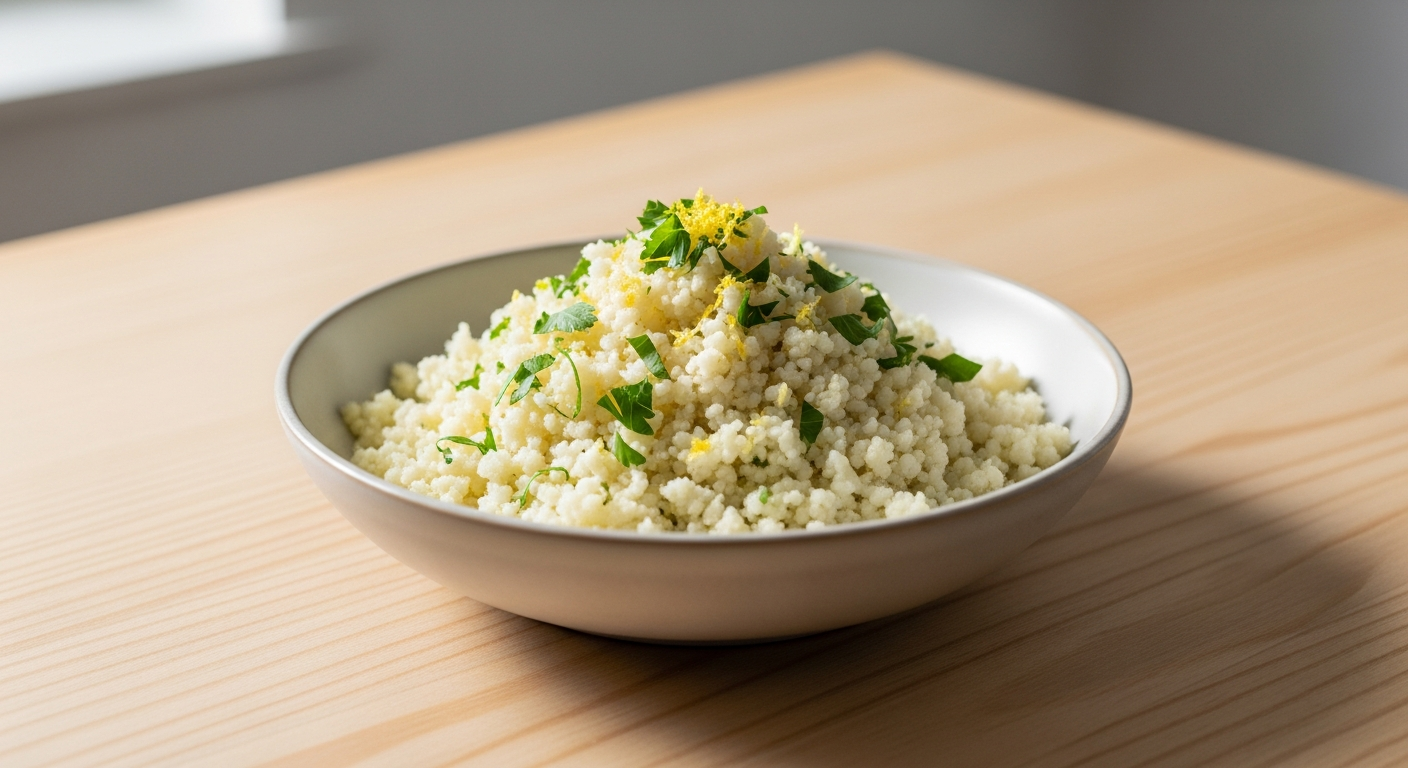
- Finish and serve. Remove from heat and garnish with fresh parsley or cilantro. serve immediatly for best flavor and texture.
tips for Success
- Use fresh cauliflower. For the fluffiest results, select firm heads without bruising or browning.
- Avoid excess moisture. Pat riced cauliflower dry with a kitchen towel if it feels wet after processing to prevent sogginess.
- Flavor variations. Swap garlic for ginger or add a pinch of smoked paprika or curry powder to infuse new flavor dimensions.
- Make ahead. Store cooked cauliflower rice in an airtight container for up to three days; reheat gently to retain texture.
- Texture control. For a firmer bite, cook for less time or pulse fewer times in the processor.
Serving Suggestions
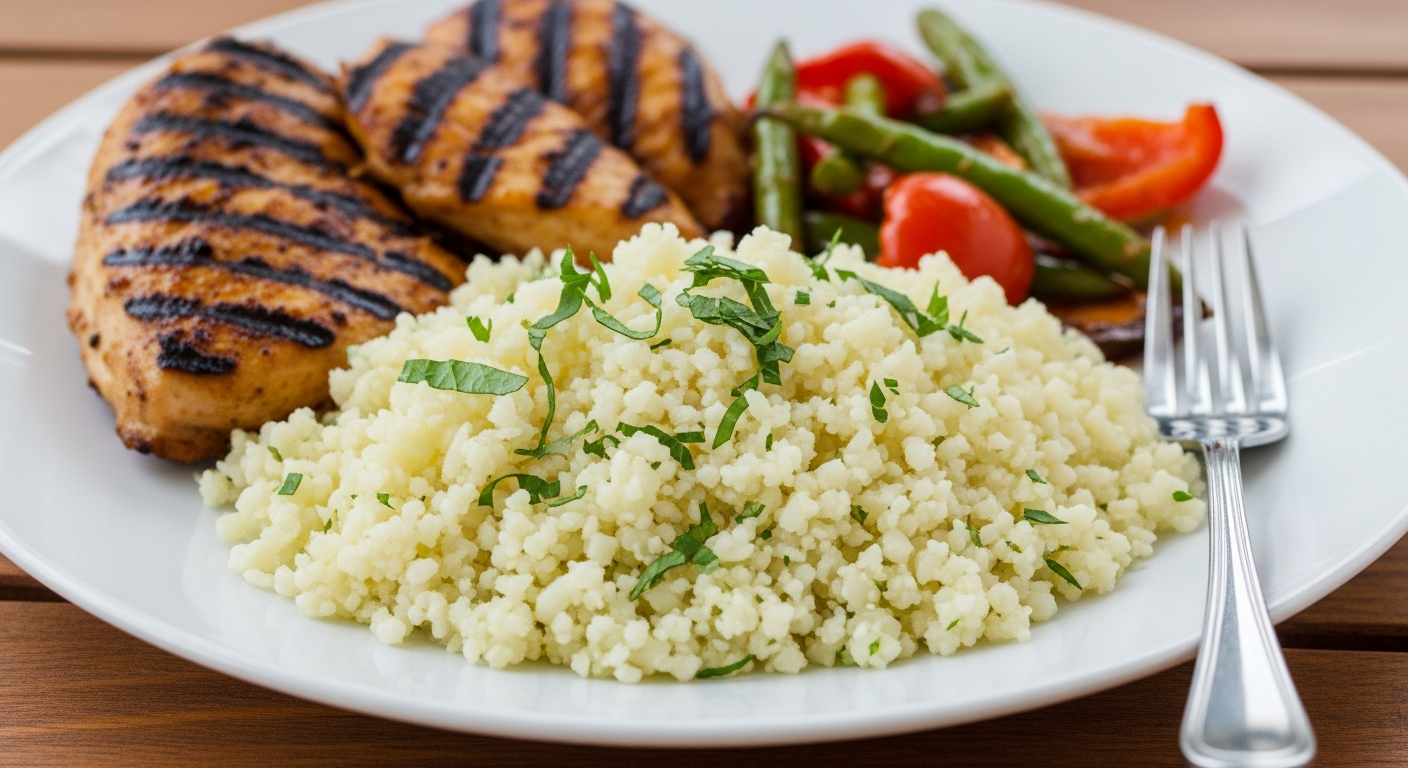
Cauliflower rice shines as a base or side in countless dishes. Serve beneath a hearty grilled chicken breast or tossed with sautéed shrimp and crisp vegetables for a vibrant stir-fry.For a Mediterranean twist, top with olives, feta, and roasted red peppers. Garnish with fresh herbs, a squeeze of lemon, or toasted nuts like almonds or pine nuts for crunch and visual appeal.

Nutritional Facts per Serving
| Calories | Protein | Carbs | fat |
|---|---|---|---|
| 50 | 3g | 5g | 4g |
Cauliflower rice’s impressive nutrient profile includes high fiber, low net carbs, and a bounty of vitamins C and K, making it a true superfood in the low-carb arena. To deepen your culinary repertoire, explore our guide on healthy low-carb dinner ideas for inspired meal plans. For science-backed health benefits of cauliflower,check out this extensive resource from Healthline.
Q&A
Q&A: Cauliflower Rice – The Low-Carb Grain Revolution Explained
Q1: What exactly is cauliflower rice?
A1: Cauliflower rice is finely chopped or grated cauliflower that resembles the size and texture of customary rice grains. It’s a clever vegetable makeover that transforms cruciferous crunch into a grain-like base, perfect for those seeking a low-carb alternative to rice.
Q2: Why has cauliflower rice become so popular in low-carb and keto diets?
A2: Because cauliflower rice packs all the flavor and versatility of regular rice but with a fraction of the carbs and calories. it lets people enjoy their favorite rice-based dishes without the blood sugar spikes, making it a star ingredient in health-conscious, keto, and paleo kitchens worldwide.
Q3: how do you make cauliflower rice at home?
A3: Super simple! Just wash a head of cauliflower, chop it into chunks, then pulse it in a food processor until it looks grainy-kind of like couscous or rice. No food processor? No problem! A box grater works too. Then, sauté it lightly, steam it, or even enjoy it raw for a crunchy salad base.
Q4: Does cauliflower rice have the same nutritional benefits as regular rice?
A4: Not exactly-and that’s the point! while regular rice is a carb-heavy grain, cauliflower rice is low in carbs but high in fiber, vitamins C and K, and antioxidants. It’s a vegetable powerhouse disguised as a grain, supporting digestion, immunity, and overall wellness.
Q5: Can cauliflower rice replace rice in all recipes?
A5: Almost! Cauliflower rice works brilliantly in stir-fries, grain bowls, sushi, and as a side dish. Its mild flavor is a blank canvas for spices and sauces. Though, in dishes where rice’s chewy texture or sticky quality is essential-like risotto or sticky rice desserts-it might not deliver the exact same experience.
Q6: How should cauliflower rice be stored?
A6: Fresh cauliflower rice can be stored in an airtight container in the fridge for up to 3 days. You can also freeze it for longer storage-just blanch it briefly first to preserve texture and colour.When ready to use, thaw and cook it gently to avoid mushiness.
Q7: Any tips for cooking perfect cauliflower rice?
A7: Keep it simple! Cook it over medium heat with a touch of oil or butter for about 5-7 minutes, stirring often. Avoid overcooking, or it turns watery. Pair it with herbs, garlic, or citrus zest to brighten its naturally mild flavor.
Q8: Is cauliflower rice sustainable and eco-friendly?
A8: Cauliflower is a relatively sustainable crop with moderate water needs, and as cauliflower rice encourages vegetable consumption over grains, it can align with environmentally conscious eating. Plus,reducing reliance on processed grains contributes to less waste and lower environmental impact.
Q9: Where can I buy cauliflower rice if I’m not up for making it myself?
A9: Many grocery stores now stock pre-packaged cauliflower rice in the fresh produce or frozen sections. Look for options without preservatives or added ingredients to get the pure veggie goodness.
Q10: What’s the future of cauliflower rice and similar vegetable grains?
A10: As consumers crave healthier, lower-carb, and nutrient-dense foods, cauliflower rice is leading a vibrant vegetable grain revolution. Expect to see more creative veggie “rice” blends like broccoli rice, zucchini rice, and beyond-turning the humble plate into a garden of endless, healthful possibilities.
Closing Remarks
As the culinary landscape continues to evolve, cauliflower rice stands out not just as a trendy substitute, but as a versatile staple reshaping how we think about grains and carbs. Whether you’re embracing low-carb living, seeking nutrient-packed alternatives, or simply curious about diversifying your plate, this humble vegetable has proven it can carry the weight of tradition and innovation alike. So next time you reach for a grain, consider the crisp, vibrant possibility of cauliflower rice-a revolution in every bite, waiting to redefine your meals and nourish your body with a fresh, lighter twist. The grain revolution isn’t just happening; it’s growing right on your cutting board.