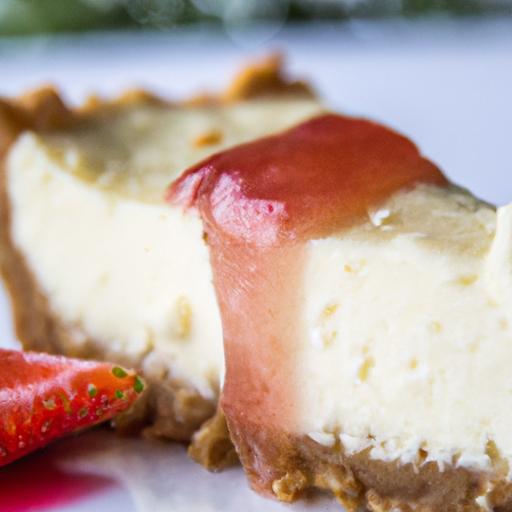
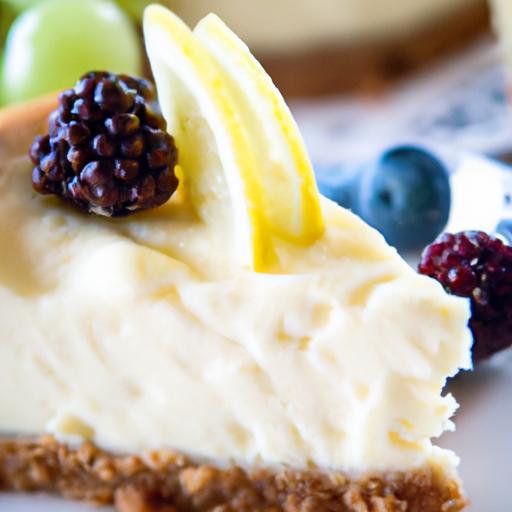

There’s something almost magical about a perfectly crafted cheesecake – that velvety texture, the harmonious balance between rich creaminess and subtle sweetness, and the delicate crust that crumbles just right beneath each forkful. But behind every slice of this beloved dessert lies an intricate blend of artistry and scientific precision. From selecting the ideal blend of cheeses to mastering baking temperatures and timing,creating the perfect cheesecake is a dance between creativity and chemistry. In this article, we’ll delve into the fascinating art and science that transform simple ingredients into a sublime cheesecake delight, revealing tips and techniques that can elevate your next dessert to a culinary masterpiece.
Cream cheese is the cornerstone of any exquisite cheesecake, delivering that signature creamy texture and subtle tang that elevate this dessert from ordinary to unusual. Understanding the chemistry of cream cheese unlocks the secret to achieving a luxuriously smooth and stable filling that melts on your tongue while maintaining its shape.
Prep and Cook Time
- Preparation: 25 minutes
- Baking: 1 hour
- Cooling & Chilling: 6 hours (preferably overnight)
Yield
Serves 12 generous slices
Difficulty Level
Medium – Perfect for confident home bakers ready to master texture and flavour
Ingredients
- Crust:
- 1 1/2 cups finely crushed graham crackers
- 5 tbsp unsalted butter, melted
- 2 tbsp granulated sugar
- Filling:
- 4 (8-oz) packages full-fat cream cheese, softened
- 1 cup granulated sugar
- 1 tsp pure vanilla extract
- 4 large eggs, at room temperature
- 2/3 cup sour cream, at room temperature
- 2/3 cup heavy cream, at room temperature
- 1 tbsp all-purpose flour (optional, for stability)
- Flavor Infusion Options (choose one):
- Zest of 1 lemon or orange
- 2 tsp espresso powder
- 3 tbsp pure maple syrup (reduce sugar accordingly)
Instructions
- prepare the Crust: In a medium bowl, combine crushed graham crackers, melted butter, and sugar. Press firmly and evenly into the bottom of a 9-inch springform pan. Use the back of a spoon or flat-bottomed glass to compact the crust for an even, sturdy base. Chill in the fridge while prepping the filling.
- Mix the Cream Cheese Filling: Beat the softened cream cheese on medium speed until silky and lump-free. Gradually add the sugar, then the vanilla and chosen flavor infusion. Incorporate each egg one at a time, mixing gently after each addition. Overbeating can trap air, causing cracks, so keep it smooth but avoid fluffiness.
- Add Sour Cream,Heavy Cream,and Flour: Blend in the sour cream,heavy cream,and optional flour. These ingredients regulate acidity and moisture, contributing to that coveted silky finish, ensuring the cheesecake holds its shape without cracking.
- Assemble and Bake: Pour the filling over the chilled crust, smoothing the surface gently. Place the springform pan inside a larger roasting pan and fill the outer pan with hot water halfway up the springform’s height to create a moist baking environment. Bake at 325°F (163°C) for approximately 60 minutes, or until the edges are set and the center slightly jiggles when nudged.
- Cool Gradually: Turn off the oven and leave the cheesecake inside with the door slightly ajar for 1 hour. This slow cooling helps prevent cracks and preserves the creamy texture.
- Chill Thoroughly: Remove the cheesecake from the water bath and springform. Refrigerate at least 6 hours or overnight for the flavors to meld and structure to firm perfectly before serving.
Chef’s Notes: Tips for Success
- Understanding Cream Cheese Chemistry: Full-fat cream cheese with no fillers ensures richness and proper protein structure. Avoid low-fat variants as they introduce excess water and destabilize the texture.
- Perfecting the Crust: Toast the graham crackers lightly before pressing for deeper complexity and aroma. If you prefer a denser crust, add 1 tbsp of melted butter more for extra binding.
- Baking Technique: Avoid sudden temperature changes by using a water bath and gradual cooling to keep the cheesecake from cracking and promote an even bake.
- Flavor Infusions: Incorporate zest, extracts, or syrups with care-too much liquid can impact texture.Add powders or oils instead unless you reduce sugar accordingly.
- Make-Ahead: Cheesecake improves with time. Prepare a day ahead and decorate just before serving to maintain freshness.
Serving Suggestions
Allow each slice to rest at room temperature for 10 minutes before serving to enhance silkiness. Finish with fresh berries, a drizzle of homemade fruit coulis or salted caramel sauce, and a whisper of finely grated citrus zest or edible flowers for an eye-catching presentation. A dollop of lightly whipped cream adds height and airy contrast. Use a sharp, warm knife for pristine, clean cuts.

| Nutrient | Per Serving |
|---|---|
| Calories | 450 kcal |
| Protein | 7 g |
| Carbohydrates | 28 g |
| Fat | 34 g |
For an extended deep dive into cheesecake variations and baking science, check out our Ultimate Cheesecake Guide. To expand your knowledge about dairy chemistry, visit this comprehensive food science article on cream cheese.
Q&A
Q&A: The Art and Science Behind the Perfect Cheesecake Delight
Q1: What makes a cheesecake “perfect”?
A1: The perfect cheesecake is a harmonious blend of creamy texture, balanced sweetness, and a crust that complements without overpowering. It’s neither too dense nor too light, with a luscious mouthfeel that melts on the tongue and a subtle tang that keeps you coming back for more.
Q2: Is cheesecake more of an art or a science?
A2: It’s both! Cheesecake is an art because every baker adds their unique flair-from flavor twists to presentation. Yet it’s a science too, requiring precise measurements, specific baking temperatures, and timing to achieve that flawless texture without cracks or curdling.
Q3: Why do some cheesecakes crack on the surface?
A3: Cracks often result from temperature shocks or overbaking. When the edges firm up faster than the center, the batter tightens and cracks can form. Baking cheesecake in a water bath, controlling oven temperature, and avoiding sudden drafts help maintain a smooth, crack-free top.Q4: What role does the crust play?
A4: The crust is the foundation-not just structurally but flavor-wise. A graham cracker crust adds a buttery, slightly sweet crunch that contrasts beautifully with the cheesecake’s silky interior. it also absorbs some of the moisture, preventing sogginess while enhancing stability.
Q5: Can you experiment with flavors without ruining the texture?
A5: Absolutely! From citrus zests and vanilla beans to berries, chocolate, or even savory herbs, flavor additions can elevate your cheesecake. The key is to maintain the right balance of wet and dry ingredients and not overload the batter with too many extras that can compromise texture.
Q6: Why is cream cheese the go-to ingredient for cheesecakes?
A6: Cream cheese provides the perfect balance of richness, tanginess, and firmness. Its high-fat content lends creaminess, while its slightly acidic nature brightens the flavor. Alternatives like ricotta or mascarpone can be used but yield different textures and flavors.
Q7: How significant is chilling in the cheesecake-making process?
A7: Chilling is crucial! After baking, cheesecake needs time to set and develop its luscious consistency.This resting period also deepens flavors and ensures clean, elegant slices. Ideally, chill it overnight for that signature ”just right” firmness.
Q8: What’s the secret to achieving a silky smooth cheesecake batter?
A8: The secret lies in technique: cream the cream cheese thoroughly before adding sugar and eggs, and mix gently to avoid incorporating too much air. Overmixing can cause cracks and holes, while undermixing results in lumps.Patience and gentle folding are key.
Q9: Can cheesecake be made without baking?
A9: Yes! No-bake cheesecakes use gelatin or whipped cream to set the filling and offer a lighter, mousse-like texture. While easier and quicker, they lack the firmer, denser quality of baked cheesecakes but are perfect for warm days or beginners.
Q10: What’s the final tip for cheesecake perfection?
A10: Trust the balance of patience and precision. Respect your ingredients, control your baking environment, and don’t rush the process. Whether classic or experimental,the perfect cheesecake emerges when science meets soul.
Delve into the world of cheesecake-were chemistry meets creativity-and savor every slice of this timeless delight!
Future Outlook
As we close the chapter on the art and science behind the perfect cheesecake delight, it’s clear that this beloved dessert is far more than just a sweet ending-it’s a harmonious blend of precision, passion, and creativity. From the meticulous balance of ingredients to the chemistry that transforms simple elements into velvety richness, every slice tells a story of thoughtful craftsmanship. Whether you’re a home baker experimenting in your kitchen or a curious enthusiast savoring each bite, understanding the interplay of technique and taste deepens the appreciation for cheesecake’s timeless charm. So next time you indulge in that creamy, luscious slice, remember: you’re tasting the perfect union of art and science, baked to perfection.