
In the ever-evolving world of beverages, a new frontier is bubbling up-one where science meets artistry to tantalize the palate without a drop of alcohol. Welcome to the realm of molecular cocktails: carefully crafted, flavorful elixirs that transform fresh ingredients into sensory experiences through the magic of molecular gastronomy. These innovative drinks marry the precision of chemistry with the creativity of mixology, offering a refreshing alternative for those seeking complexity, depth, and intrigue in every sip-minus the buzz. Join us as we explore how these non-alcoholic masterpieces are concocted, decoding the techniques and ingredients that elevate simple liquids into extraordinary, flavorful journeys.
Molecular cocktails have revolutionized the art of crafting non-alcoholic elixirs, merging science with sensory delight to create unforgettable flavor journeys.By harnessing molecular gastronomy techniques, you can unlock new textures, aromas, and balanced flavor profiles that elevate every sip. This guide dives deep into selecting ingredients for balance and complexity, using innovative tools, and blending science with creativity to transform your home bar into a mini laboratory of taste.
Prep and Cook Time
- Preparation: 25 minutes
- Cook/Set time: 15 minutes (varies by technique)
- Total Time: 40 minutes
Yield
- Serves 2 vibrant, 8-ounce molecular mocktails
Difficulty Level
- Medium – Requires some familiarity with molecular mixology basics
Ingredients
- 200 ml freshly extracted cucumber juice, strained for clarity
- 100 ml artisanal elderflower syrup
- 50 ml cold-pressed lemon juice
- 300 ml sparkling water, chilled
- 2 g sodium alginate powder (for spherification)
- 5 g calcium lactate (setting bath for spheres)
- A few sprigs of fresh mint for garnish
- Ice cubes, preferably clear and uniform
- Activated charcoal powder (optional, for dramatic color effects)
- Edible flower petals (optional, for garnish)
Instructions
- Prepare the calcium bath: In a medium bowl, dissolve 5 g calcium lactate in 500 ml of cold water. Stir gently until fully dissolved, than set aside to chill in the fridge for at least 10 minutes.
- Mix the base liquid: In a blender, combine cucumber juice, elderflower syrup, and lemon juice. Blend briefly to homogenize flavors. Taste and adjust sweetness or acidity slightly to ensure a balanced profile.
- Incorporate sodium alginate: Slowly sprinkle 2 g sodium alginate powder into the mixed juice while blending on low speed to avoid clumps. Blend until fully smooth and the liquid thickens to a light gel-like texture. If your blender is weak, use an immersion blender for more control.
- Form spheres: Using a syringe or small spoon, gently drop the alginate mixture into the calcium bath.Allow spheres to set for about 1 minute until you see a thin gel membrane form. Scoop spheres out with a slotted spoon and rinse in clean cold water to stabilize their texture.
- Assemble the cocktail: fill two glasses halfway with sparkling water and add several cucumber-elderflower spheres with a few ice cubes. For extra drama, sprinkle a pinch of activated charcoal powder on top or gently swirl it into the drink for smoky visuals.
- Garnish and serve: Add fresh mint sprigs and edible flower petals on the rim or floating atop for freshness and elegance. Serve instantly to enjoy the spheres’ burst of flavor and molecular texture.
Chef’s Notes
- You can substitute cucumber juice with fresh watermelon or honeydew melon juice for sweeter, fruitier spheres.
- If you have difficulty with spheres sticking together, briefly rinse them in fresh water between servings.
- For a vegetarian gelatin alternative, xanthan gum can thicken the base, but it won’t form spheres-perfect for layered molecular cocktails instead.
- To prepare ingredients ahead, mix the alginate juice base and refrigerate, but create spheres fresh just before serving for best texture.
- Experiment with infusion: add herbs like basil or lavender to your elderflower syrup for deeper botanical notes.
Serving Suggestions
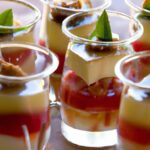
Serve your molecular mocktails in clear,elegant glasses to showcase the translucent spherical bubbles suspended in sparkling liquid. Pair with light appetizers such as cucumber canapés or citrus-spiced nuts to enhance complementary flavor notes. Use stainless steel cocktail picks to elegantly present mint sprigs or edible flowers, elevating both aroma and visual appeal. For an immersive experience, dim ambient lighting and use soft background music to focus attention on the delicate textural pop and refreshing acidity of your creation.
| Nutrient | Per Serving |
|---|---|
| Calories | 65 kcal |
| Protein | 0.8 g |
| Carbohydrates | 15 g |
| Fat | 0.1 g |
Discover more molecular cocktail secrets here and elevate your non-alcoholic mixology skills. For a deep dive into the science behind sodium alginate, check out the ScienceDirect overview on sodium alginate.

Embrace the alchemy of molecular cocktails and infuse your non-alcoholic elixirs with balance, complexity, and a touch of modernist magic that will impress and inspire every guest.
Q&A
Q&A: Molecular Cocktails – Crafting Flavorful Non-Alcoholic Elixirs
Q1: What exactly is a molecular cocktail?
A1: Think of a molecular cocktail as a science-inspired symphony of flavors, textures, and aromas-without the buzz.Using techniques borrowed from molecular gastronomy, these beverages elevate non-alcoholic drinks into multi-sensory experiences that engage your taste buds, sight, and smell. They combine culinary chemistry with artistry to create stunning elixirs that surprise and delight.Q2: How do molecular cocktails differ from traditional mocktails?
A2: Traditional mocktails focus on mixing juices, syrups, and sodas-simple, straightforward, and flavorful. Molecular cocktails, on the other hand, use avant-garde methods like spherification, foaming, and infusion under vacuum to transform ingredients’ textures and appearances. The result? Pearls that burst with juice, foamy clouds of flavor, and aromatic mists that invite you into a drink’s story before the first sip.
Q3: What are some common molecular techniques used in crafting these elixirs?
A3: Common techniques include:
- Spherification: Encapsulating liquids into gel-like spheres that pop on your tongue.
- Foaming: Creating light, airy foams using natural stabilizers like lecithin.
- Gelification: Turning liquids into edible gels to add texture and visual intrigue.
- Infusion: Extracting intense flavors quickly through sous-vide or ultrasonic methods.
- Spritzing: Using spray bottles to mist aromatic essences over the drink or your hand for a sensory ritual.
Q4: Can these elixirs be crafted at home, or do they require special equipment?
A4: While some molecular techniques demand specialized gear, like syringes or siphons, many molecular cocktails can be crafted at home with a bit of creativity and simple kitchen tools. ingredients like sodium alginate and calcium lactate-key to spherification-are widely available online. plus, common kitchen gadgets such as blenders, whisks, and fine strainers work wonders when combined with a dash of culinary curiosity.Q5: What flavors work best with molecular techniques in non-alcoholic drinks?
A5: The possibilities are vast! Citrusy notes like yuzu, lemon, and grapefruit lend radiant, zesty bursts that pop as spheres or foams. Herbal and floral flavors-think lavender, basil, hibiscus-add aromatic depth and elegance. even savory elements such as cucumber or rosemary can be wonderfully transformed into refreshing, layered elixirs. The key is balancing intensity and delicacy so each molecular element enhances the overall flavor story.
Q6: Why has the trend of molecular non-alcoholic cocktails gained popularity recently?
A6: As mindful drinking and wellness culture rise, more people seek sophisticated, enjoyable beverages without alcohol’s effects. Molecular cocktails meet this demand by marrying creativity,health-consciousness,and interactive experiences. They turn drinking into an event-inviting novices and connoisseurs alike to savor flavor complexity and playful textures without compromising on taste or style.
Q7: Where can someone get inspired to start experimenting with molecular cocktails?
A7: inspiration flows from all corners-from avant-garde cocktail bars pioneering molecular mixology, to culinary workshops and online video tutorials. Books on molecular gastronomy and social media platforms dedicated to inventive drink crafting also offer vibrant communities and treasure troves of inventive recipes. Most importantly, start simple, experiment boldly, and let your palate guide your molecular journey.
Crafting flavorful non-alcoholic molecular cocktails is more then mixing drinks-it’s an adventure in flavor alchemy, turning the ordinary into the extraordinary, one elixir at a time. Cheers to science, art, and delicious discovery!
Future Outlook
As the art of mixology continues to evolve, molecular cocktails invite us to reimagine what a drink can be-bold, innovative, and entirely alcohol-free. By harnessing the science behind flavor and texture, these elixirs offer a transformative experience that delights the senses without the buzz. Whether you’re a curious novice or a seasoned aficionado, crafting your own molecular mocktails opens the door to endless creativity and unexpected taste journeys. So, infuse your next gathering with a splash of ingenuity and raise a glass to the vibrant future of flavorful, mindful sipping. cheers to the magic that happens when science and flavor collide!