
There’s a magical element at the core of countless beloved desserts-a velvety, luscious filling that effortlessly transforms simple pastries into unforgettable indulgences. Meet classic pastry cream: the silky, rich custard that has quietly ruled patisserie kitchens for centuries.Mastering this foundational component is like unlocking a gateway to endless dessert possibilities, from creamy éclairs and delicate fruit tarts to elegant cream puffs. In this article, we’ll delve into the art and science of creating flawless pastry cream, exploring techniques, tips, and secrets that elevate it from a humble custard to the heart and soul of unusual sweets.Whether you’re a passionate home baker or an aspiring pastry chef, understanding this timeless cream will deepen your appreciation of dessert craftsmanship and inspire your culinary creativity.
Mastering classic pastry cream is a delightful journey into understanding how simple ingredients transform through science into a rich, velvety custard that forms the backbone of countless desserts. Originating from the refined patisseries of France, pastry cream-or crème pâtissière-combines the perfect balance of sweetness, creaminess, and stability. It’s the kind of culinary magic that, once mastered, opens doors to endless dessert creativity, from éclairs to fruit tarts and mille-feuilles.
Prep and cook Time
- Preparation: 10 minutes
- Cooking: 12 minutes
- Cooling: 1 hour (plus chilling time)
Yield
- About 4 cups (approximately 8 servings)
difficulty Level
- Medium – requires attention to heat control and whisking technique
Understanding the Essential Ingredients and Their Impact on Flavor and texture
Each ingredient in classic pastry cream plays an integral role in delivering that signature silky smooth consistency and luxurious flavor. Whole milk is preferred for its creamy richness,while egg yolks provide structure and a golden hue thanks to their natural emulsifiers. The granulated sugar balances the sweetness without overwhelming the custard’s delicate profile. Cornstarch</b acts as a powerful thickening agent, creating a tender yet stable texture without the heaviness of flour. And a touch of unsalted butter enriches the cream, giving it a subtle sheen and smooth mouthfeel.
Step-by-Step Techniques to Achieve Perfect Consistency Every Time
- Warm the milk: In a medium saucepan, heat 2¾ cups of whole milk over medium heat until small bubbles form around the edges-avoid boiling.
- Mix egg yolks and dry ingredients: Whisk together 6 large egg yolks with 6 tablespoons granulated sugar and ¼ cup cornstarch in a heatproof bowl until pale and smooth.
- temper the eggs: Slowly pour about ½ cup of the hot milk into the egg mixture while whisking vigorously to raise the temperature gently, preventing curdling.
- Return to heat: Pour the tempered egg mixture back into the saucepan with the remaining milk. Cook over medium-low heat, whisking constantly, until the mixture thickens and comes to a gentle boil. This process generally takes 3-5 minutes.
- Cook through: Boil gently for 1 minute while continuing to whisk to ensure the starch is fully cooked and the cream sets properly.
- Finish with butter and vanilla: Remove from heat and whisk in 2 tablespoons unsalted butter and 1 teaspoon pure vanilla extract for richness and aromatic depth.
- Strain and cool: Promptly strain the cream through a fine sieve into a bowl to remove any lumps. Cover with plastic wrap pressed directly onto the surface to prevent a skin from forming. Chill for at least an hour before using.
Creative Variations and Tips for Elevating Your Classic Pastry Cream
- Infuse the milk: warm the milk with vanilla bean pods, citrus zest, or spices like cinnamon or star anise to add nuanced layers of flavor.
- Swap starches: For a lighter texture, experiment with arrowroot powder or replace cornstarch with flour for a denser cream.
- Adapt sweetness: Reduce sugar slightly when pairing with naturally sweet fruits or use honey for a floral sweetness.
- Make it chocolate: Gently melt high-quality dark chocolate into the hot cream after cooking for a luscious chocolate variation.
- Storage and make-ahead: Pastry cream keeps well under refrigeration for up to 3 days; whisk gently before use to restore creaminess.
Serving Suggestions
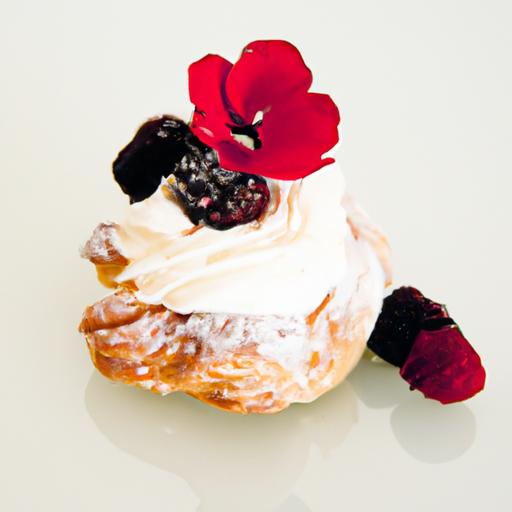
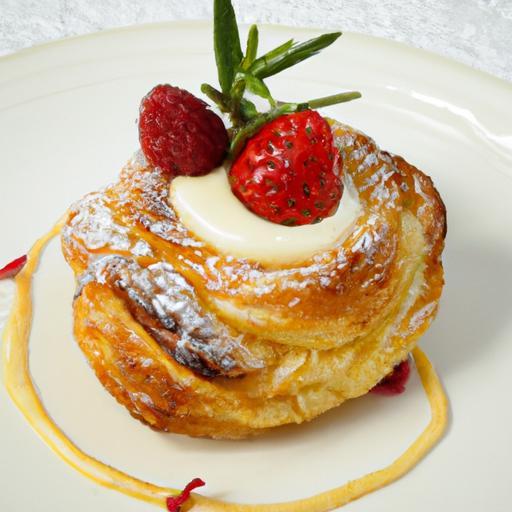
Classic pastry cream is versatile and elegant. Use it as the luscious filling for éclairs, layer it in a fruit tart against crisp pastry shells, or dollop it between delicate puff pastry sheets for a mille-feuille. Garnish with fresh berries, a dusting of powdered sugar, or edible flowers to enhance both visual appeal and flavor. A thin brush of apricot glaze on top adds shine and a subtle fruity accent.

| Nutrient | Per ¼ cup (60g) |
|---|---|
| Calories | 120 kcal |
| Protein | 3 g |
| Carbohydrates | 18 g |
| Fat | 3.5 g |
Chef’s Notes: Tips for Success
- Whisk constantly: To avoid lumps and scrambled eggs, continuous, vigorous whisking during heating is essential.
- Temperature matters: Medium-low heat prevents rapid curdling and protects the custard’s silky texture.
- straining is key: Passing the cream through a fine mesh sieve yields a perfectly smooth finish.
- Plastic wrap method: Pressing plastic wrap on the cream’s surface before chilling prevents an unpleasant skin from forming.
- Use fresh eggs: Fresh, high-quality eggs contribute to flavor, vivid yellow color, and better texture.
- Explore non-dairy options: Substitute whole milk with coconut or almond milk for vegan adaptations (adjust thickener as needed).
For an in-depth exploration of custards and dessert fundamentals, visit Cook’s Illustrated to deepen your culinary knowledge and refine technique.
Discover more luscious dessert foundations and inspiration by checking out our detailed article on homemade chocolate ganache, perfect for pairing with your classic pastry cream creations.
Q&A
Q&A: Mastering Classic Pastry Cream - the Heart of Desserts
Q1: What exactly is classic pastry cream, and why is it considered the heart of many desserts?
A1: Classic pastry cream, or crème pâtissière, is a luscious, velvety custard made from milk, eggs, sugar, flour (or cornstarch), and vanilla. It’s the foundation that brings life to countless pastries-think éclairs,fruit tarts,cream puffs,and Boston cream pies. Its rich texture and subtle sweetness provide the perfect canvas, balancing delicate flavors and elevating desserts from good to unforgettable.
Q2: What makes mastering pastry cream a must-have skill for any passionate baker or pastry chef?
A2: Pastry cream is deceptively simple yet masterfully complex. It demands precision-the right temperature, timing, and technique-to achieve that silky smoothness without curdling or becoming grainy. Learning to make it means gaining control over a fundamental component of classic patisserie, opening doors to endless creative possibilities and dessert masterpieces.
Q3: What are the biggest challenges beginners face when making pastry cream,and how can they overcome them?
A3: The two main hurdles are avoiding lumps and preventing the eggs from scrambling. To conquer these,begin by tempering your eggs-slowly whisk hot milk into the egg mixture before returning it to the pan. Stir continuously over medium heat; patience is key, as heating too quickly leads to curdling. Straining the cream through a fine sieve after cooking also guarantees that silky texture we all crave.
Q4: Can pastry cream be flavored or adapted for different dessert profiles?
A4: Absolutely! Vanilla is classic, but pastry cream is a blank slate waiting for your imagination.Infuse the milk with coffee, citrus zest, or spices like cinnamon and cardamom. Fold in melted chocolate for a decadent twist, or swirl in fruit purees for freshness. Each variation transforms the cream, offering unique layers of flavor and inspiration.
Q5: How should pastry cream be stored, and how long does it keep?
A5: As pastry cream contains eggs and milk, it’s best stored in an airtight container in the refrigerator. It will keep fresh for about 2 to 3 days. to prevent a skin from forming on top,press plastic wrap directly onto the surface as it cools. If it thickens too much after chilling,gently whisk it before use to restore that perfect spreadable consistency.
Q6: Any secret tips or tricks to elevate your pastry cream beyond the basics?
A6: For a silkier mouthfeel, finish your pastry cream with a generous pat of cold butter folded in after cooking. This adds richness and shine. Also, don’t underestimate the power of cooling techniques-an ice bath halt the cooking instantly, preserving that smooth texture. And remember, quality ingredients-real vanilla beans, fresh eggs, and whole milk-make all the difference.
Q7: Why is pastry cream described as the “heart” rather than the “soul” of desserts?
A7: Think of the heart as the steady core beating consistently beneath, nourishing every other part. Pastry cream embodies this idea: it quietly but indispensably holds structure, balances sweetness, and harmonizes flavors. While the “soul” might be the flair or distinctive style, the “heart” is that reliable richness without which many desserts simply wouldn’t feel complete or feel truly luxurious.
With these insights, you’re now equipped to approach pastry cream not just as a recipe, but as an art form-ready to become the beating heart of your next dessert sensation. Happy creating!
Insights and Conclusions
as you close the chapter on mastering classic pastry cream, remember that this silky, luscious filling is more than just a recipe-it’s the soul that brings countless desserts to life. With each smooth spoonful, you harness a timeless technique that transforms simple ingredients into an indulgent experience. Whether nestled in a crisp tart shell or layered within a delicate cake, pastry cream invites you to explore a world of flavor and texture where tradition meets creativity. So, armed with this knowledge, let your culinary imagination run free, and watch as the heart of desserts becomes your signature touch.