
There’s a certain magic in the satisfying crack of caramelized sugar atop a velvety custard-the hallmark of a perfectly executed crème brûlée. Yet beneath this deceptively simple dessert lies a delicate balance of science and technique, where temperature, timing, and the right tools conspire to create that coveted crisp shell and silky interior.In this article, we’ll unravel the secrets behind achieving crème brûlée perfection, demystifying the caramelization process and revealing expert tips that transform this classic French treat from ordinary to extraordinary. Prepare to ignite your culinary curiosity and elevate your dessert game with every golden, crackling bite.
Cracking the secrets behind perfectly crispy crème brûlée starts with a deep appreciation of the delicate balance between a velvety custard base and a glass-like, caramelized sugar crust. This classic French dessert is a masterpiece of contrast-silky richness beneath a satisfyingly brittle shell-that delights all senses. Understanding the science and technique behind each layer transforms your kitchen into a pâtisserie and elevates a simple recipe to unforgettable culinary art.
Prep and Cook Time
- planning: 20 minutes
- Baking (water bath): 40-45 minutes
- Chilling: At least 4 hours (preferably overnight)
- Caramelization: 5 minutes
Yield
Serves 6 elegantly sized portions
Difficulty Level
Medium – requires attention to detail but rewarding for all skill levels
Ingredients
- 2 cups heavy cream
- 1 vanilla bean, split and scraped (or 1 tsp pure vanilla extract)
- 5 large egg yolks
- ½ cup granulated sugar, plus extra for topping
- Pinch of fine sea salt
Instructions
- Preheat your oven to 325°F (160°C). Place six 6-ounce ramekins in a deep baking dish.
- Heat the heavy cream and scraped vanilla bean pod (or extract) over medium heat until just steaming-do not boil. Remove from heat and let steep for 10 minutes for maximum flavour infusion.
- Whisk together egg yolks, ½ cup sugar, and a pinch of salt in a large bowl until pale and thickened, about 2 minutes.
- Slowly pour the warm cream into the yolk mixture in a thin stream while continuously whisking to temper the eggs and avoid curdling.
- Strain the custard through a fine sieve into a large measuring cup or bowl to ensure silkiness and remove vanilla pod bits.
- Divide the custard evenly into ramekins. Pour hot water into the baking dish,filling halfway up the ramekin sides to create a gentle water bath.
- Bake for 40-45 minutes, or until the custards are set but still slightly jiggly in the center-like gelatin.
- Remove ramekins from the water bath carefully and cool to room temperature. Refrigerate for at least 4 hours or overnight to set firmly.
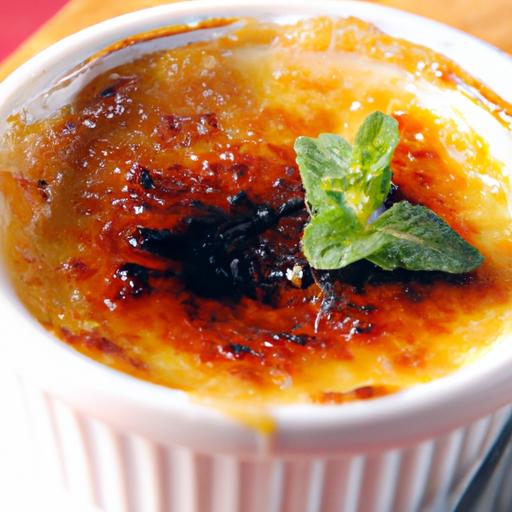
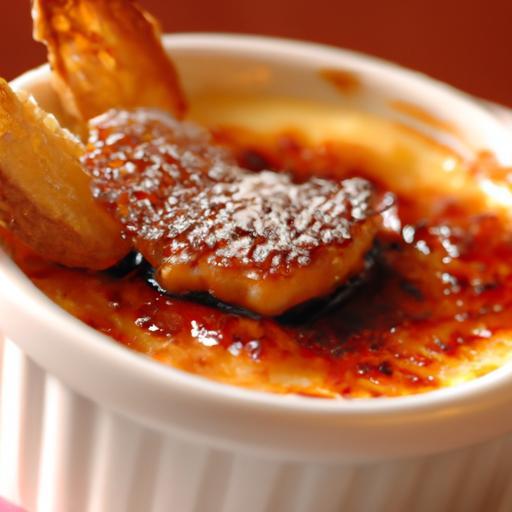
- Before serving,sprinkle a thin,even layer of granulated sugar (about 1 teaspoon) atop each custard. Use a kitchen torch to caramelize the sugar in slow, circular motions. Watch as it melts, bubbles, and hardens into a glassy, deep amber crust.
- Let cool for a minute or two until the sugar solidifies. Serve promptly to enjoy the satisfying crack and creamy custard beneath!
Tips for Success: Mastering the Art of Crème Brûlée
- Custard consistency: Avoid overbaking to prevent a grainy custard; gentle water bath cooking ensures even heat distribution.
- Choosing sugar: Use fine granulated sugar or raw turbinado sugar for a superior, crackly crust that caramelizes evenly.
- Torch technique: Keep the flame moving to prevent burning, and maintain a distance of 2-3 inches from the surface.
- Make-ahead: The custard can be prepared a day ahead; caramelize just before serving to preserve the crisp topping.
- Substitutions: for a twist,infuse cream with citrus zest or herbs like lavender,but strain thoroughly for a smooth base.
- troubleshooting: If your sugar topping melts into the custard,ensure it’s chilled well before torching and the sugar layer is thin but even.
Serving Suggestions
Present your crème brûlée in its elegant ramekin, placing it on a small dessert plate with a fresh sprig of mint or edible flowers for a pop of color. Dust with a light sprinkle of powdered sugar for an elegant finish. Pair with seasonal berries or a dollop of softly whipped cream for added contrast.Serving alongside a crisp dessert wine like Sauternes or a light espresso can further elevate the experience, creating a memorable finale to any meal.
| Nutrient | Per Serving |
|---|---|
| Calories | 310 kcal |
| Protein | 6 g |
| Carbohydrates | 27 g |
| Fat | 20 g |

For a deep dive into custard basics and more dessert inspiration,check out our Ultimate Guide to Custards.
Q&A
Q&A: Cracking the Secrets Behind Perfectly Crispy Crème Brûlée
Q1: What makes the crème brûlée’s caramelized top so irresistibly crispy?
A1: The magic lies in the sugar-a fine layer of granulated sugar sprinkled evenly atop the custard is evenly torched just until it melts and turns a rich amber. This swift, intense heat causes the sugar to caramelize and harden into that signature glassy, crackable crust, providing a textural contrast to the silk-smooth custard beneath.
Q2: Is there a secret sugar type or technique to achieve that perfect crunch?
A2: While regular granulated sugar often works just fine, some chefs swear by superfine or caster sugar because it melts and caramelizes more evenly, preventing burn spots. Additionally, distributing the sugar in a thin, uniform layer is key-too thick, and it won’t crack nicely; too thin, and it won’t form a proper crust.
Q3: Can I use a kitchen torch to caramelize the top, or dose it require a broiler?
A3: A kitchen torch is your best ally here.it offers precise, intense heat that caramelizes the sugar evenly without warming the custard too much. Broilers can work in a pinch, but they tend to heat unevenly and risk cooking the delicate custard below, ruining that signature creamy texture.
Q4: How do I prevent the custard from becoming rubbery or overcooked?
A4: Temperature control is crucial. Baking the custard gently in a bain-marie (hot water bath) at a moderate temperature allows for even cooking. Also, avoid overbaking-remove it from the oven when the custard is just set but still slightly wobbly in the center.chill thoroughly before caramelizing the sugar to set that custard perfectly.
Q5: Why does resting the crème brûlée in the fridge before torching matter?
A5: Chilling chills the custard to firm up its delicate structure, creating a cool base that contrasts beautifully with the molten sugar topping. Plus, a cold surface allows the caramelized sugar to set quickly into a crisp shell, preventing the heat from melting into the custard and softening the crust.
Q6: Are there any creative twists to the classic crispy top?
A6: Absolutely! Some chefs experiment with flavored sugars-infusing sugar with citrus zest, spices like cinnamon or cardamom, or even finely crushed nuts. You can also try using brown sugar or coconut sugar for a deeper caramel flavor and a slightly different crunch. Just remember,balancing flavor and texture is key.
Q7: What’s the best way to serve crème brûlée to highlight its crisp top?
A7: Serve it immediately after torching. the moment you hear that satisfying crack-breaking through the glassy, caramelized dome-make sure you have a small spoon ready. The beauty is in that contrast: the crunchy top yielding to the smooth, creamy custard beneath. It’s a sensory delight best enjoyed fresh!
Unlocking the secrets behind crème brûlée’s perfect crisp is a delicious journey through sugar science, temperature mastery, and a touch of artistry-transforming a simple dessert into a sublime experience. Ready your torch, sprinkle that sugar evenly, and let the caramelization begin!
Key Takeaways
As the caramelized sugar shatters beneath your spoon and the silken custard yields effortlessly, you’ll realize that achieving the perfect crème brûlée is as much an art as it is a science. From mastering the ideal sugar caramelization to balancing the custard’s richness with just the right baking technique, every step unravels a delicious secret waiting to be savored. So next time you embark on this sweet culinary adventure, armed with these insights, prepare to impress both palate and eye-because behind that irresistible crack lies a world of carefully crafted perfection.