
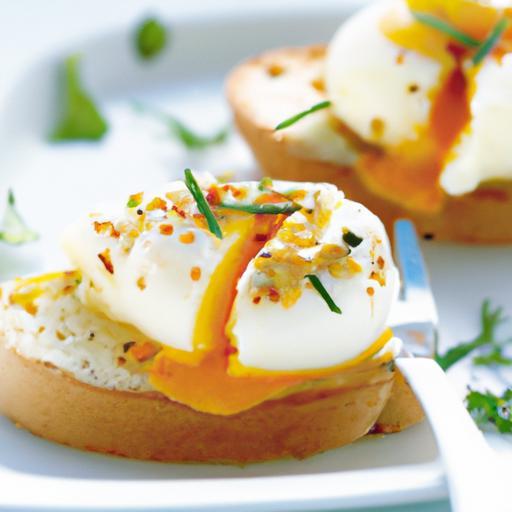

There’s something almost magical about a perfectly poached egg-the tender, cloud-like whites embracing a golden, molten yolk that spills with every gentle cut. Yet, despite its simple allure, mastering the art of poaching eggs remains an elusive skill for many home cooks. Whether your aiming to elevate your breakfast game or add a touch of elegance to salads and brunch favorites, understanding the nuances behind this delicate cooking method can transform ordinary eggs into culinary masterpieces. In this article, we’ll crack open the secrets to achieving that egg-cellent poach every time, guiding you through tips, techniques, and a few insider tricks that will have you confidently swirling, timing, and plating like a pro. Get ready to turn humble eggs into your kitchen’s crowning glory!
Egg-cellent Poaching is an art form that transforms simple eggs into a breakfast masterpiece prized for its delicate texture and glossy appearance. Rooted in centuries of culinary tradition, perfectly poached eggs boast silky whites enveloping a vibrantly runny yolk-a combination that elevates both flavor and presentation at any dining table. Whether you’re aiming for a weekend brunch spectacle or a protein-packed start to your day, mastering this technique unlocks endless creative possibilities.
Prep and Cook time
- Readiness: 5 minutes
- Cooking: 3-4 minutes
- Total Time: 8-10 minutes
Yield
Serves 2 (1 egg each, adjust as needed)
Difficulty Level
Easy to Medium – A little technique goes a long way!
Ingredients
- 2 large fresh eggs (the fresher, the better for tight whites)
- 4 cups water (filtered or spring water for clarity)
- 1 tbsp white vinegar (helps coagulate egg whites quickly)
- Salt (to taste, optional)
- Butter or olive oil (for serving, optional)
Step by Step Guide to Achieving Silky Whites and Runny Yolks
- Prepare the poaching water: In a shallow saucepan, bring 4 cups of water to a gentle simmer (180-190°F or 82-88°C). Avoid full boiling, which can break delicate whites.
- Add vinegar: Stir in 1 tbsp of white vinegar to aid in egg white coagulation-this key step ensures elegant, compact whites without feathering. The vinegar taste will dissipate during cooking.
- Crack eggs separately: Crack each egg into a small bowl or ramekin. This allows gentle, controlled transfer to the water, preventing shell fragments or broken yolks.
- create a vortex (optional): Using a spoon, stir the simmering water in a circular motion to form a gentle whirlpool. This encourages the egg white to wrap around the yolk, producing a neat shape.
- Poach the egg: Slide the egg carefully into the center of the vortex or directly into simmering water. Let cook undisturbed for 3-4 minutes-whites should be set, yolks soft and runny.
- Remove and drain: Use a slotted spoon to gently lift the egg out of the water. Let it drain thoroughly on a paper towel to remove excess moisture.
- Season and serve: Lightly season with salt and garnish as desired. Serve instantly to enjoy that sumptuous molten yolk.
Essential tools and Ingredients for flawless Results
- Fresh eggs: The fresher, the better-older eggs spread and lose that signature poached shape.
- Shallow saucepan or wide skillet: Provides room for eggs to swim freely without stacking.
- Slotted spoon: Vital for safely removing eggs while draining excess water.
- Kitchen thermometer: Optional but useful for maintaining ideal water temperature.
Common Mistakes to Avoid for Picture-Perfect Poached Eggs
- Boiling water: High heat creates turbulence that fractures whites and makes messy eggs.
- Skipping vinegar: Without vinegar, whites tend to spread thin and lose structure.
- Direct egg drop: Dropping eggs from height into water breaks them; always crack into a small bowl first.
- Leaving eggs too long: Overcooked yolks lose their luscious runny center and vibrant colour.
- Not draining properly: Excess water dilutes flavor and creates soggy servings-pat dry gently.
Tips for Success
- Use fresh, cold eggs: This ensures the whites cling tightly to the yolk, creating that classic shape.
- Adjust timing to your liking: Cook 2.5 minutes for very runny yolks, 4 minutes for softly set yolks.
- Batch poaching: Space eggs apart and work in batches to avoid crowding during larger servings.
- Make ahead: Poached eggs can be refrigerated in cold water for up to 2 days; reheat gently in warm water before serving.
Serving Suggestions
Serve your perfectly poached eggs layered atop:
- Toasted sourdough spread with ripe avocado and a sprinkle of chili flakes
- Warm English muffins crowned with hollandaise for classic Eggs Benedict
- Fresh spinach sautéed in garlic with a light dusting of parmesan
Finish with fresh herbs such as chives,tarragon,or microgreens,plus a grind of black pepper for striking contrast and vibrant photo appeal.
| Nutrient | Per Egg (70g) |
|---|---|
| Calories | 70 |
| Protein | 6g |
| Carbohydrates | 1g |
| Fat | 5g |

For further inspiration on breakfast classics and egg dishes, explore our Breakfast Egg Recipes Collection. To understand how vinegar chemically affects the poaching process, visit this thorough Science of Cooking guide.
Q&A
Q&A: Egg-cellent Poaching – Master the Art of Perfect Eggs
Q1: Why is poaching eggs considered an art rather than just cooking?
A: Poaching eggs is an art because it requires precision, timing, and a delicate touch. Unlike frying or boiling, poaching demands perfect water temperature, gentle handling, and exact timing to achieve that silky, tender white wrapped around a luscious, runny yolk. mastering poaching transforms a simple egg into an elegant, velvety delight that feels almost magical on your palate.
Q2: What’s the secret ingredient to a perfect poached egg?
A: While the egg itself is star,the secret is vinegar! A small splash of vinegar in the poaching water helps the egg whites coagulate swiftly and neatly,preventing wispy strands from floating away.Choose white vinegar to avoid imparting flavor, and use just enough-not to overpower, but to gently encourage the eggs to hold their shape.
Q3: How do you prepare the water for poaching?
A: Fill a wide, shallow pan with water and bring to a gentle simmer-around 180°F (82°C). The water should have tiny bubbles clinging to the bottom, not a rolling boil that can toss your delicate egg around like a ship in a storm. Add a teaspoon of vinegar, and you’re ready to create your masterpiece.
Q4: Is it better to crack the egg directly into the water or into a bowl first?
A: Crack the egg into a small bowl or ramekin first. This step ensures you can gently slide the egg into the water without breaking the yolk or splashing. Plus, it lets you check for shell fragments or freshness before committing your precious egg to the poaching bath.
Q5: how long should an egg be poached?
A: The goldilocks zone for poached eggs is about 3-4 minutes. At 3 minutes, the whites are set but tender, with a blissfully runny yolk. If you prefer a slightly firmer yolk, push toward 4 minutes. Anything beyond that, and you start to lose the luscious runniness that makes poached eggs so enticing.
Q6: Can you poach multiple eggs at once?
A: Absolutely! Just ensure they have enough space to swim without crowding.Use a wide pan and gently slide in each egg separately. You might want to poach them in batches or invest in a poaching pan with separate cups for foolproof egg harboring.
Q7: how do you remove the poached egg without breaking it?
A: Use a slotted spoon gently scooped under the egg.Lift carefully, letting excess water drip back into the pan. For the cleanest presentation, transfer your egg onto a paper towel to soak up any lingering water before plating.
Q8: What’s the best way to serve a poached egg?
A: The versatility of poached eggs is limitless! Top it on buttery toast, fresh avocado, warm asparagus, or salads. Embrace classic pairings like Eggs Benedict, or pour it over ramen or grain bowls for an indulgent finish. Don’t forget a sprinkle of flaky sea salt and a fresh grind of black pepper to elevate the simple perfection.Q9: How do you fix a poached egg that didn’t turn out perfectly?
A: If the whites are too loose or wispy, try adding a bit more vinegar next time and ensure your water isn’t boiling furiously. If the yolk cooks through too much, lower the water temperature or shorten your timing. Practice makes perfect-each egg teaches you a new lesson.
Q10: Any tips for making poaching easier and more consistent?
A: Use the freshest eggs possible-they hold together better. Stir the water gently to create a mild vortex before slipping in the egg; this helps the whites wrap neatly around the yolk. And patience and a calm kitchen vibe are your best assistants on this egg-cellent journey.
With these tips,you’re well on your way to mastering the delicate dance of poaching and creating eggs so perfect they’ll be the crowning glory of any brunch. Happy poaching!
Wrapping Up
Whether you’re a breakfast enthusiast or a culinary adventurer, mastering the art of poaching eggs transforms a simple ingredient into a delicate masterpiece. With patience, the right technique, and a touch of finesse, you can achieve that silky, tender egg white cradle encasing a luscious, runny yolk every single time. So, next time you’re craving something both elegant and effortless, remember: an egg-cellent poach isn’t just a skill-it’s the secret to elevating your meals from ordinary to remarkable. Happy poaching!