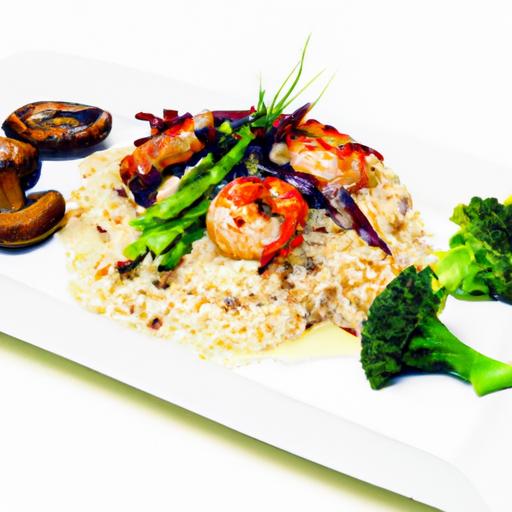
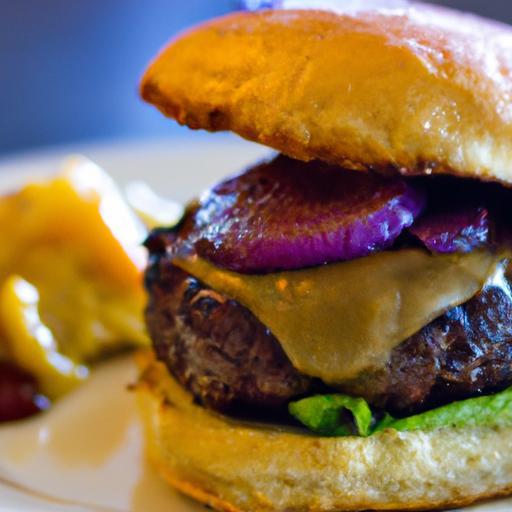

As the sun dips below the horizon and the day’s rush begins to wane, the dinner table transforms into a stage were flavors, traditions, and stories converge. “Dinner Delights: Exploring the Art of Evening Meals” invites you on a culinary journey that celebrates more than just nourishment-it honors the ritual, creativity, and connection found in the art of evening dining.from timeless classics to innovative fusions, this exploration reveals how dinner can be both a feast for the senses and a meaningful pause in our busy lives. Join us as we delve into the techniques,inspirations,and cultural tapestries that make every evening meal a delightful experience worth savoring.
Balancing Flavors: Crafting Memorable Evening meals
Dinner delights come alive when flavors harmonize on your plate, turning simple dinners into unforgettable experiences. Drawing inspiration from seasonal bounty, each ingredient plays a crucial role in balancing richness, acidity, sweetness, and texture.This recipe celebrates that art with a dish that embodies the very essence of crafting memorable evening meals – a Roasted Autumn Vegetable Buddha Bowl with Maple Tahini Dressing.
prep and Cook time
- Prep Time: 20 minutes
- Cook Time: 35 minutes
- Total Time: 55 minutes
Yield
- Serves 4
Difficulty Level
- Medium
Ingredients
- 1 cup quinoa, rinsed thoroughly
- 2 medium carrots, peeled and cut into thin rounds
- 1 small butternut squash, peeled, seeded, and cubed (about 3 cups)
- 1 red bell pepper, sliced
- 1 small red onion, cut into wedges
- 2 cups baby kale leaves, washed and dried
- 3 tbsp olive oil, divided
- Salt and freshly ground black pepper, to taste
- 1 tbsp maple syrup
- ½ tsp smoked paprika
- For the Maple Tahini Dressing:
- ¼ cup tahini
- 3 tbsp pure maple syrup
- 2 tbsp fresh lemon juice
- 2 tbsp warm water (adjust as needed)
- 1 clove garlic, minced
- Salt, to taste
Instructions
- Cook the quinoa: In a medium pot, combine rinsed quinoa with 2 cups water and a pinch of salt. Bring to a boil, then reduce heat, cover, and simmer for 15 minutes or until water is absorbed. Fluff with a fork and set aside.
- Prep the vegetables: Preheat the oven to 400°F (200°C). Toss butternut squash, carrots, bell pepper, and red onion with 2 tbsp olive oil, maple syrup, smoked paprika, salt, and pepper on a large rimmed baking sheet.
- Roast the vegetables: Spread the vegetables out evenly and roast for 25-30 minutes, stirring halfway through until tender and lightly caramelized.
- Prepare the dressing: Whisk together tahini,maple syrup,lemon juice,minced garlic,and warm water in a bowl until smooth.Add more water for desired consistency, and season with salt.
- Sauté the kale: Heat remaining 1 tbsp olive oil in a skillet over medium heat. Add kale leaves and sauté for 2-3 minutes until just wilted. Season with a pinch of salt.
- Assemble the bowl: Divide quinoa evenly between four bowls. Top with roasted vegetables and sautéed kale. Drizzle generous amounts of maple tahini dressing across the top for a flavorful finish.
- Garnish and serve: Add toasted pumpkin seeds or crushed walnuts for crunch. Optionally, sprinkle with fresh herbs like parsley or cilantro to enhance aroma and color.
Chef’s Notes & tips for Success
- ingredient swaps: substitute quinoa with farro or brown rice for a different texture.
- Dress it up: Try adding a splash of apple cider vinegar to the dressing for a tangier kick.
- Make-ahead: Roast vegetables and prepare dressing a day ahead; store separately and assemble just before serving for maximum freshness.
- For nuttier notes: Toast nuts briefly in a dry skillet to enhance their flavor before garnishing.
Serving Suggestions
Present this vibrant dinner delight in beautiful shallow bowls to showcase the colorful layers of roasted squash, kale, and quinoa. Pair with a crisp, chilled glass of dry white wine, like Sauvignon blanc, or a lightly sparkling water infused with a twist of citrus. Garnish with edible flowers or microgreens to elevate the ambiance and make every bite visually memorable.

| Nutrient | Per Serving |
|---|---|
| Calories | 360 kcal |
| Protein | 9 g |
| Carbohydrates | 50 g |
| Fat | 12 g |
For further inspiration on balanced dinner delights incorporating seasonal ingredients, explore our Seasonal Dinner Recipes Collection. To deepen your understanding of flavor profiling, visit The Culinary Institute of America’s guide on flavor balance.
Q&A
Q&A: Dinner Delights – Exploring the Art of Evening Meals
Q1: Why is dinner considered the most crucial meal of the day by many cultures?
A1: Dinner often serves as the day’s grand finale-a time to nourish the body after hours of work, reconnect with family or friends, and celebrate culinary creativity. Many cultures treat dinner as a sacred ritual that combines sustenance with social bonding,tradition,and relaxation. It’s not just about food; it’s about slowing down and savoring life’s flavors.
Q2: How has the concept of dinner evolved over time?
A2: Originally, dinner was often a midday meal, especially in agrarian societies when daylight hours were precious. Over centuries, with industrialization and changing work schedules, dinner shifted to the evening, becoming a moment to unwind. Today, dinner spans styles from quick weeknight meals to elaborate multi-course feasts, reflecting global influences and personal lifestyles.
Q3: what elements make a dinner experience truly delightful?
A3: Beyond the taste, a delightful dinner engages all senses: the aroma of freshly cooked ingredients, the vibrant colors on the plate, the clinking of glasses, and the warmth of shared conversation.Thoughtful presentation, balanced flavors, and mindful pacing all contribute to turning an ordinary meal into a memorable event.Q4: How can home cooks elevate their evening meals without hours of preparation?
A4: Creativity and simplicity go hand in hand. Using fresh seasonal ingredients, experimenting with herbs and spices, and embracing one-pot or sheet-pan recipes can transform dinner. Small touches like homemade dressings, a sprinkle of toasted nuts, or a side of charred vegetables add layers of flavor with minimal effort.
Q5: What role dose culture play in shaping our dinner traditions?
A5: culture colors every bite and bite tells a story. From the Japanese artful bento to the Italian leisurely multi-course meal, cultural heritage guides ingredients, techniques, and etiquette. Exploring these traditions not only broadens the palate but also deepens our appreciation for the communal and historical significance of dinner.
Q6: Can dinner be a form of self-care?
A6: Absolutely. Treating dinner as a time to care for oneself and loved ones promotes well-being. Preparing and enjoying a wholesome meal can be meditative, a way to disconnect from screens and stress, and a celebration of nourishing the body and soul. It’s an act of kindness you give yourself every evening.
Q7: What are some tips for making dinner time more enjoyable in a busy lifestyle?
A7: Scheduling dinner as a fixed part of the day encourages consistency and balance.Batch cooking, meal prepping, or using quality convenience ingredients can save time. Setting the table nicely,dimming the lights,or playing soft music can transform the meal into a calming ritual,even on hectic nights.
Q8: How can one incorporate sustainability into their dinner choices?
A8: Embracing seasonal, local produce reduces environmental impact.Incorporating plant-based dishes, minimizing food waste by using leftovers creatively, and choosing sustainably sourced proteins all contribute to an eco-friendly dinner. Dining with an eye towards sustainability nourishes both you and the planet.
Q9: What is the significance of dessert in the dinner experience?
A9: Dessert is the sweet punctuation mark that rounds out the meal, frequently enough evoking comfort, joy, and indulgence. Whether it’s a simple fruit compote or an elaborate chocolate torte, dessert celebrates the senses and offers a moment of pure delight, leaving a lasting impression on the entire dining experience.
Q10: where do you see the future of dinner heading?
A10: the future of dinner is an exciting blend of tradition and innovation-fusion cuisines, technology-enhanced cooking methods, and a growing focus on health and sustainability. Yet, no matter how much things change, the essence of dinner as a shared, nourishing experience will remain timeless. The art of evening meals will continue to evolve while honoring the heartwarming spirit of gathering around the table.
The Way Forward
As the sun sets and the day’s hustle winds down, dinner becomes more than just a meal-it transforms into an artful experience that nourishes both body and soul. Exploring the delights of evening meals invites us to savor not only flavors but also moments shared around the table. Whether you’re a seasoned chef or a curious beginner, the world of dinner holds endless possibilities to inspire creativity, connection, and comfort. So, next time you gather for your evening meal, remember that you’re part of a timeless tradition-one where every bite tells a story and every dish is a canvas waiting to be explored. bon appétit!