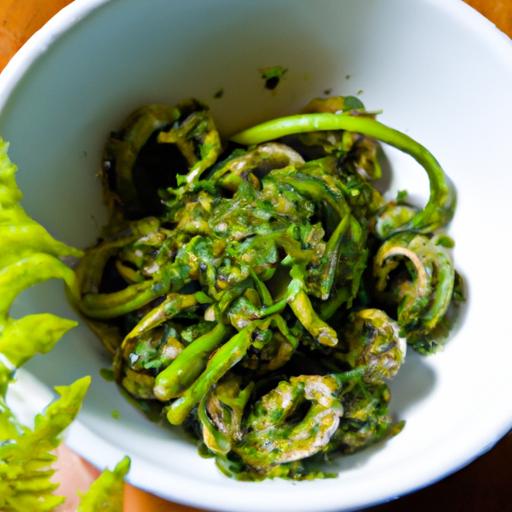
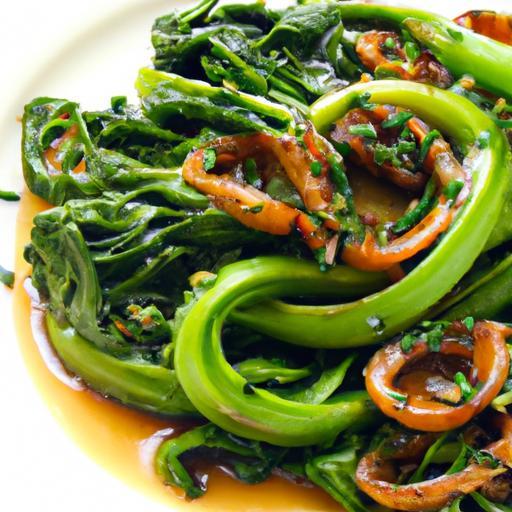

As winter’s chill gives way to the tender warmth of spri ng, nature offers a fleeting treasure for the adventurous palate: fiddlehead ferns. These coiled, verdant shoots unfurl from the earth with a delicate texture and a flavor that whispers of fresh forests and crisp mountain streams. Sautéed to perfection, fiddleheads transform into a culinary delight that captures the very essence of the season’s renewal. In this article, we’ll explore the art of preparing sautéed fiddlehead ferns-unlocking their unique taste, mastering their planning, and celebrating a time-honored ingredient that invites us to savor spring’s vibrant bounty like never before.
Savor Spring’s Delight: The Art of Sautéed Fiddlehead Ferns
savor Spring’s Delight with fiddlehead ferns, a seasonal treasure cherished for their vibrant green hue and unique, fresh flavor that captures the essence of rebirth in every bite. these curly, coiled shoots have been celebrated by Indigenous peoples and adventurous foragers alike, offering a bright, tender crunch that elevates any spring meal. Having discovered them on a misty morning walk last season, sautéing fiddleheads quickly became a ritual-each bite delivering a wild, earthy freshness that transports you straight to the forest floor.
Prep and Cook Time
- Preparation: 15 minutes
- Cooking: 10 minutes
- Total: 25 minutes
Yield
Serves 4 as a vibrant side dish
Difficulty Level
Medium – Ideal for experienced home cooks eager to discover wild ingredients
Ingredients
- 1 lb fresh fiddlehead ferns, washed and trimmed
- 2 tbsp unsalted butter
- 1 tbsp extra virgin olive oil
- 3 cloves garlic, finely minced
- 1 tsp freshly grated lemon zest
- 1 tbsp fresh lemon juice
- Salt and freshly ground black pepper, to taste
- 1/4 tsp crushed red pepper flakes (optional, for a mild heat)
- 2 tbsp toasted pine nuts, for garnish
- Fresh parsley, chopped, for garnish
Instructions
- Preparing the fiddleheads: Begin by thoroughly rinsing the fiddlehead ferns under cold water, carefully removing any brown papery husk. Trim the tough ends if necessary, then blanch them in boiling salted water for 2-3 minutes to eliminate bitterness and potential toxins. Immediately transfer to an ice bath to preserve their vibrant color and crispness.
- Dry and set aside: Pat the fiddleheads wholly dry using a clean kitchen towel or paper towels. Removing moisture ensures a perfect sauté with no steaming.
- Heat the skillet: Warm a heavy-bottom skillet over medium heat. Melt the unsalted butter and drizzle in the olive oil-this balance enhances flavor and prevents the butter from burning.
- Sauté aromatics: Add the minced garlic and crushed red pepper flakes (if using). sauté until fragrant and lightly golden, about 1 minute, stirring constantly to avoid browning.
- Add fiddleheads: Toss the prepared fiddleheads into the skillet. Sauté, stirring occasionally, until thay turn bright green and develop a tender-crunch texture, roughly 5-7 minutes.Avoid overcooking; the goal is a slight crispness that delights the palate.
- Season and finish: Remove the skillet from heat.Stir in fresh lemon zest and lemon juice, then season generously with salt and freshly ground black pepper.Toss gently to coat.
- Garnish and serve: Transfer the fiddleheads to a warm serving dish. Sprinkle toasted pine nuts and chopped parsley over the top for a nutty crunch and fresh herbaceous burst.
Tips for Success
- Foraging wisely: Only harvest fiddleheads in early spring when tightly coiled. Avoid those with brown scales or a bitter taste. Consult local guidelines to ensure sustainable harvesting and safety. For more foraging insights, check out our Wild Edibles Foraging Guide.
- Cooking caution: always blanch fiddleheads before eating to neutralize natural toxins that can cause indigestion.
- Variations: Substitute lemon zest with grated orange for a sweeter citrus note. Add a splash of white wine in the sauté for depth. For vegan options, replace butter with extra olive oil or coconut oil.
- Storage: Best enjoyed fresh-but leftover sautéed fiddleheads can be refrigerated in an airtight container for up to 2 days. Reheat gently to maintain crunch.
Serving Suggestions
to truly showcase sautéed fiddleheads’ vibrant essence, plate them against creamy polenta or toasted sourdough. Their bright,earthy flavor pairs wonderfully with mild cheeses like chèvre or ricotta-try dolloping some on the side. for a hearty meal, serve alongside pan-seared salmon or grilled chicken for a delightful balance of textures and colors. Garnish with microgreens or edible flowers to emphasize spring’s freshness visually.

| Nutrient | per Serving |
|---|---|
| Calories | 110 kcal |
| Protein | 3 g |
| Carbohydrates | 8 g |
| Fat | 8 g |
For further exploration of wild greens, consider visiting Wild Food UK’s in-depth resource on fiddlehead ferns.
Q&A
Q&A: Savor Spring’s Delight – The Art of Sautéed Fiddlehead Ferns
Q1: What exactly are fiddlehead ferns,and why are they considered a springtime delicacy?
Fiddlehead ferns are the tightly coiled young shoots of certain fern species,most commonly the ostrich fern. They get their name from their resemblance to the scroll-shaped top of a violin or fiddle. Harvested in early spring, these verdant curls signal the season’s renewal, offering a fresh, vibrant taste that’s both grassy and slightly nutty-an edible emblem of nature’s awakening.
Q2: How can I tell if fiddleheads are safe to eat?
Fresh fiddleheads should be bright green,firm,and tightly coiled,with little to no brown papery husk. Always purchase from a trusted source or forage with a informed guide, as some ferns can be toxic. Proper cleaning and cooking are essential: fiddleheads must be boiled or steamed for at least 10-15 minutes to eliminate any potential toxins before sautéing or further preparation.
Q3: What makes sautéing an ideal cooking method for fiddleheads?
Sautéing is a technique that dances between heat and oil, coaxing fiddleheads to tender perfection while retaining their vibrant color and delicate crunch. This method amplifies their subtle earthiness, enhancing the slightly nutty flavor with hints of caramelization.Sautéing also allows you to incorporate aromatics-garlic, shallots, herbs-and a splash of acid or spice, creating a harmonious melody of springtime flavors.
Q4: Can you share a basic sautéed fiddlehead fern recipe to get started?
Absolutely! After properly washing and blanching your fiddleheads, heat a drizzle of olive oil or butter in a skillet over medium heat. Toss in minced garlic and shallots, cooking until fragrant. Add the fiddleheads, seasoning lightly with salt and pepper. Sauté for about 5-7 minutes until tender yet crisp. Finish with a squeeze of lemon juice and a sprinkle of fresh herbs like parsley or chives. Enjoy as a side dish or an elegant inspiration for spring menus.
Q5: Are there any culinary pairings that harmonize beautifully with sautéed fiddlehead ferns?
Fiddleheads’ fresh, slightly grassy flavor pairs wonderfully with bright, acidic notes-think lemon, vinegar, or fresh herbs. They also marry well with creamy elements like mascarpone or goat cheese,and proteins such as smoked salmon,spring lamb,or crispy pancetta. Toasted nuts and mushrooms add an earthy crunch, creating a seasonal symphony on your plate.
Q6: What are some tips for foraging and storing fiddlehead ferns?
When foraging, look for fiddleheads nestled close to the forest floor near streams or shaded woods, typically before the leaves unfurl. Pick only what you need to allow the plant to grow. Store them in the refrigerator wrapped in a damp paper towel inside a plastic bag and use within a day or two for best freshness. Remember that fiddleheads are a fleeting treasure-enjoy them while spring’s promise is still green and glowing!
Q7: Why should adventurous eaters embrace fiddleheads in their springtime cooking?
Fiddleheads aren’t just food; they’re a culinary journey into the season itself-a crisp, verdant taste of the wild’s first whispers of growth. Their rarity and distinct flavor invite curiosity and creativity in the kitchen, making every sautéed bite a celebration of nature’s resilience and artistry. Embracing fiddleheads connects us to tradition, locality, and the ephemeral magic of spring.
The Way Forward
As the vibrant season of spring unfolds,so too does the opportunity to embrace nature’s fleeting gifts-like the tender fiddlehead fern. Mastering the art of sautéing these delicate greens not only celebrates their unique flavor and texture but also honors a time-honored tradition that connects us to the earth’s renewal. So next time you spot these verdant spirals at the market or in the wild, remember that with a little heat and a splash of creativity, you can transform them into a dish that’s as much a feast for the senses as it is indeed a tribute to spring’s fleeting bounty. Savor each bite, and let the spirit of the season dance on your palate.