
There’s something almost magical about the moment when a parchment packet unfurls, releasing a fragrant cloud of steam that hints at the delicate flavors hidden within. Fish en papillote-a time-honored French technique of cooking fish sealed in parchment-transforms simple ingredients into a symphony of taste and texture. this artful method locks in moisture and aroma,creating a dish that is both healthful and visually captivating. In “Steaming Secrets: Mastering Fish En Papillote Cooking Art,” we dive deep into the subtleties of this elegant culinary tradition, revealing expert tips and creative twists to help you craft restaurant-worthy meals right in your own kitchen. Whether you’re a novice eager to experiment or a seasoned cook seeking to refine your skills, prepare to unlock the secrets of steaming perfection and elevate your fish dishes to new heights.
Steaming Secrets: Mastering Fish En Papillote Cooking Art
Unlock the delicate harmony of flavors and textures with the artful technique of cooking fish en papillote. This method, where fish and aromatics are sealed inside parchment paper and gently steamed, brings out an unparalleled tenderness while infusing vibrant, fresh tastes. Rooted in French culinary tradition yet effortlessly approachable,this dish evokes elegant simplicity and a party of pure ingredients.
Prep and Cook Time
- Planning: 15 minutes
- Cooking: 15-20 minutes
- Total Time: 30-35 minutes
Yield
- Serves 2
Difficulty Level
- Medium – perfect for home cooks eager to impress
Ingredients
- 2 fillets (6 oz each) of firm white fish (such as cod, halibut, or sea bass), skinless
- 2 sheets of parchment paper (~15″ x 15″ each)
- 1 lemon, thinly sliced
- 1 small zucchini, julienned
- 6 asparagus spears, trimmed and cut in half
- 1 small shallot, thinly sliced
- 2 tablespoons extra virgin olive oil
- 2 tablespoons dry white wine or vegetable broth
- Fresh dill sprigs (about 4)
- Fresh parsley leaves, chopped, for garnish
- Salt and freshly ground black pepper to taste
- Optional: 1 teaspoon crushed red pepper flakes for subtle heat
Instructions
- Prepare your parchment: Fold each parchment sheet in half, then cut into a large heart shape (about 12″ across) so it can be folded over the fish.
- Lay out fillings: On one half of the parchment heart, layer the zucchini julienne, asparagus, and shallots as a vibrant bed for the fish. This ensures gentle steaming and maximum flavor.
- season the fish: Pat the fillets dry, then brush lightly with olive oil. Season generously with salt, pepper, and add a pinch of crushed red pepper if desired.
- Assemble the packet: Place each seasoned fillet atop the vegetable bed. Add lemon slices on top, a sprig of dill, and drizzle 1 tablespoon of white wine (or broth) over each to enhance moisture and aroma.
- Seal the parchment: Fold the other half of the parchment over the fish and vegetables. Starting at the folded edge, crimp the edges tightly by folding small, overlapping pleats all around to create a sealed packet that traps steam inside.
- Cook: Place the packets on a baking sheet and bake in a preheated 400°F (200°C) oven for 15-20 minutes. The packets should puff slightly, signaling the gentle steam that cooks the fish and veggies perfectly.
- Serve: Carefully transfer the packets to plates using tongs. Let guests open their own parcel tableside for an interactive reveal of fragrant steam and tender fish.
Tips for Success
- Fish Choice: Opt for firm, mild-flavored fish that hold shape well during steaming.Avoid flaky white fish like sole, which can disintegrate too easily inside the packet.
- Parchment Prep: Parchment must be sturdy and large enough to fold properly. Avoid wax paper as it won’t hold shape or withstand oven heat.
- Vegetable Variations: Swap seasonal veggies such as thinly sliced fennel, baby cherry tomatoes, or fresh peas for unique twists. Keep cuts uniform for even cooking.
- Flavor Boost: Herbs elevate the dish dramatically-try thyme, tarragon, or basil alongside dill and parsley.
- Advance prep: Assemble packets ahead of time and store them in the fridge on baking trays. Bake just before serving for stress-free dinner hosting.
- Avoid Overcooking: Fish is done when opaque and flakes easily but remains moist. start checking at 15 minutes to prevent dryness.
Serving Suggestions to Impress
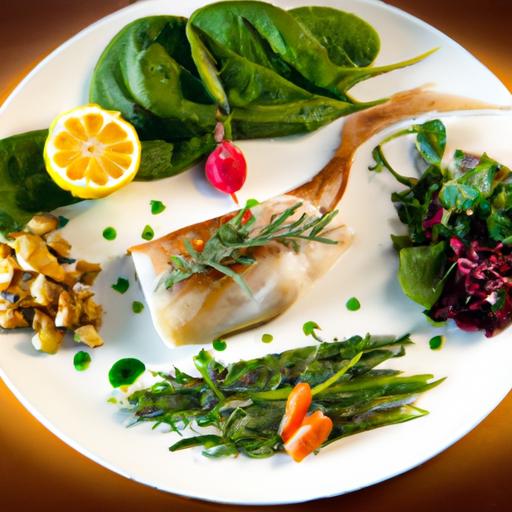
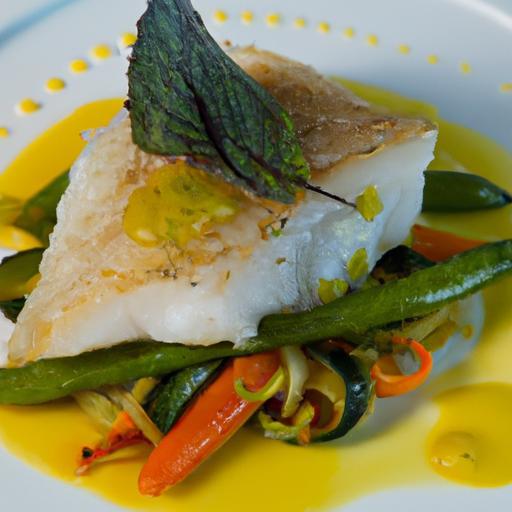
Unveil your steamed treasures garnished with fresh parsley and a light drizzle of extra virgin olive oil or finishing butter. Present the plate with a wedge of lemon and a side of herbaceous quinoa or a simple baby green salad dressed in lemon vinaigrette for a balanced meal.
For a true sensory experience, accompany with a crisp, cold white wine such as Sauvignon Blanc or a lightly chilled Chardonnay – the perfect toast to your mastery of steaming secrets.

| Nutrient | Per Serving |
|---|---|
| Calories | 280 |
| Protein | 32g |
| Carbohydrates | 8g |
| Fat | 10g |
For more inspiration and complementary techniques in seafood preparation, check out our Grilling Fish Tips. to deepen your understanding of steam cooking, visit Serious Eats’ steam cooking guide.
Q&A
Q&A: Steaming Secrets – mastering the Art of Fish en Papillote
Q1: What dose “en papillote” mean, and why is it special for cooking fish?
A1: “En papillote” is French for “in parchment.” It’s a magical cooking method where fish and fragrant ingredients are sealed inside a folded parchment package, then steamed to perfection in their own aromatic steam. This gentle technique locks in moisture, flavors, and nutrients, transforming a simple fillet into an elegant, tender masterpiece bursting with essence.
Q2: What makes fish en papillote different from other cooking methods?
A2: Unlike grilling or frying, en papillote is a subtle symphony of steam and scent. The fish isn’t directly exposed to heat; instead, the enclosed packet traps moisture and aromas, creating a mini steam chamber. This method yields a dish that’s juicy, delicately flavored, and beautifully infused with herbs, citrus, and spices – all without a drop of added fat.Q3: What’s the best type of fish to use for en papillote?
A3: Firm,flaky white fish like cod,halibut,sea bass,or snapper shine in papillote cooking. Their flesh holds together well and absorbs the infused flavors without turning mushy.Salmon and trout also work beautifully,lending rich oils that complement herbs and citrus notes.Q4: How do you assemble the perfect papillote packet?
A4: Start by cutting a large heart- or oval-shaped piece of parchment paper. Place the fish fillet in the center, then layer on your choice of aromatics – think thin lemon slices, fresh dill, garlic, julienned vegetables, and a drizzle of olive oil or a pat of butter. fold the paper over the fish and crimp the edges tightly to seal, creating a snug little pouch that traps steam inside.
Q5: Are there any tips for seasoning and flavoring?
A5: Less is more. Gentle herbs like tarragon, thyme, and parsley harmonize beautifully, while radiant citrus (lemon, lime, or orange) adds zest without overpowering. A touch of white wine or a splash of soy sauce can deepen flavor profiles. Avoid heavy spices that might overshadow the delicate fish.
Q6: How long should the fish steam en papillote?
A6: Typically, 10 to 15 minutes in a preheated 400°F (200°C) oven is ideal for a 1-inch thick fillet.The packet will puff up like a balloon-resist the urge to peek too soon! Overcooking can dry the fish, so timing is key.
Q7: can I make en papillote dishes beyond fish?
A7: Absolutely! This technique is wonderfully versatile. You can cook chicken breasts, shellfish, vegetables, or even fruits en papillote, each absorbing infused flavors while steaming in their own juices. It’s an effortless way to create elegant, healthful meals bursting with fresh aromas.
Q8: What’s the best way to serve fish en papillote?
A8: Bring the steaming packets directly to the table; the dramatic flourish of cutting open the parchment releases a burst of fragrant steam and makes a delightful presentation. Serve with a bed of rice, quinoa, or a crisp salad to soak up the juices.
Q9: Any common mistakes to avoid?
A9: Don’t overfill the packet-it needs room for steam to circulate. Also, be sure to seal it tightly to prevent steam from escaping. Avoid thick or woody vegetables that won’t soften in the short cooking time unless they’re precooked or sliced paper-thin.Q10: Why should home cooks try fish en papillote?
A10: It’s a beatiful union of simplicity and sophistication-minimal prep,minimal cleanup,and maximum flavor. Plus, it’s a healthy cooking method that preserves nutrients and moisture. Mastering this art turns everyday fish into a restaurant-worthy culinary experience, inviting you to savor the pure, vibrant essence of the sea.
Concluding Remarks
As the parchment seals gently lift, releasing fragrant clouds of steam, the art of fish en papillote reveals its true magic-a delicate dance of flavors, textures, and aromas captured within a simple fold of paper. Mastering this technique is more than just cooking; it’s an invitation to slow down, savor freshness, and celebrate the harmony between ingredient and method.Whether you’re a seasoned chef or a curious home cook, embracing the secrets of steaming fish en papillote opens a portal to culinary elegance that’s as effortless as it is enchanting. So next time you crave a meal that’s both healthy and haute cuisine, remember: sometimes, the best way to unlock flavor is to let steam do the talking.