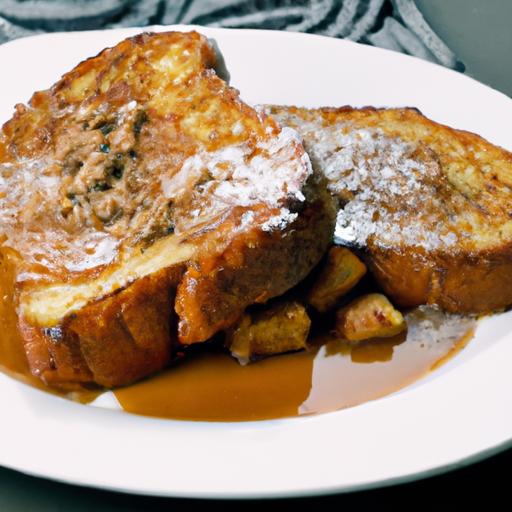
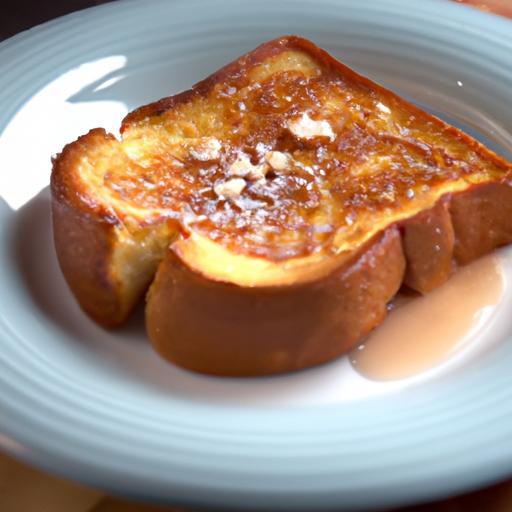

There’s something undeniably magical about the first bite of French toast: the perfect balance of crisp, golden edges giving way to a tender, custardy centre, all wrapped in the warm embrace of cinnamon adn vanilla. Often dubbed “Golden Morning Delight,” French toast is more than just a breakfast favorite-it’s a culinary tradition steeped in history and science.From its humble beginnings in ancient times to the scientific alchemy that transforms simple bread and eggs into a sumptuous morning treat, this article explores the fascinating story and science behind French toast.Join us as we unravel the layers of flavor, texture, and culture that make this dish a timeless star on breakfast tables worldwide.
Golden Morning Delight starts with a simple plate of french toast, a breakfast classic that carries centuries of culinary history and a magic that transforms humble bread into a golden, custardy masterpiece. This beloved dish bridges cultural traditions and kitchen chemistry, creating a balance between crispy edges and a tender, flavorful center that awakens every sense at the start of your day.
Prep and Cook Time
Readiness: 10 minutes | Cooking: 15 minutes
Yield
Serves 4 generous portions
Difficulty Level
Easy - Perfect for cooks of all experience levels
Ingredients
- 8 slices day-old brioche or challah bread, about ½-inch thick
- 3 large eggs
- 1 cup whole milk
- 2 tbsp granulated sugar
- 1 tsp pure vanilla extract
- ½ tsp ground cinnamon
- ¼ tsp fine sea salt
- 3 tbsp unsalted butter, for cooking
- Maple syrup, for serving
- Fresh berries, powdered sugar, and chopped nuts (optional garnishes)
Instructions
- Whisk together the eggs, whole milk, sugar, vanilla extract, cinnamon, and sea salt in a wide, shallow bowl. Ensure the mixture is smooth and thoroughly combined for an even custard base.
- prepare the bread: Dip each slice of day-old bread into the egg mixture, allowing it to soak for 20-30 seconds on each side.The older the bread, the better it soaks without falling apart, yielding a creamy interior.
- Heat a skillet or griddle over medium heat and melt 1 tablespoon of butter. Coat the surface evenly and ensure it’s hot but not smoking-this step is key for developing a crisp, golden crust.
- Place dipped bread slices onto the skillet. Cook for about 3-4 minutes per side, or until each side is golden brown and slightly crisp, flipping gently to preserve the custardy texture inside.
- Repeat with remaining slices, adding more butter as necessary. For consistent color and texture, avoid overcrowding the pan – cook in batches if needed.
- serve instantly topped with maple syrup, fresh berries, a dusting of powdered sugar, and a sprinkle of chopped nuts, if desired.
Chef’s Notes: Tips for Success
- Use sturdy bread like brioche,challah,or thick white sandwich bread for the best custardy interior while still crisp on the outside.
- Day-old bread is ideal to prevent sogginess. If fresh, toast it lightly before soaking.
- To enhance flavor, infuse the milk with a split vanilla bean or add a splash of orange liqueur to the custard base.
- For an ultra-rich version,substitute half the milk with heavy cream.
- If you prefer a dairy-free option, almond or oat milk can be used, though the texture will be less rich.
- Cook on medium heat to avoid burning; a golden crust without char is essential.
- Prepare the custard mixture fresh each time; resting it can cause separation.
- Make-ahead tip: soak the bread, then arrange on a baking sheet and refrigerate for up to 4 hours, cooking directly from chilled for convenience.
Flavor Infusions and Toppings to Elevate Your Morning Meal
Experimenting with flavors transforms this classic into a bespoke breakfast delight. Whisk in spices like nutmeg or cardamom to the custard for warmth, or a zest of lemon for brightness. For a decadent twist, fold in mascarpone or cream cheese between two dipped slices to create a custardy sandwich.
Toppings are a canvas for creativity – try caramelized bananas,sautéed apples with cinnamon,or dollops of whipped cream. Nuts such as toasted pecans or almonds add a delightful crunch that contrasts beautifully with the soft, custardy interiors.
Exploring the Chemistry of Perfectly crispy and Custardy Texture
french toast’s magic lies in its balanced moisture and heat control. The eggs coagulate proteins, binding the liquid to the bread, creating that velvet custardy center. Meanwhile, the Maillard reaction-browning proteins and sugars on the surface-delivers the golden crust and complex flavors. Resting bread overnight, soaking just enough, and cooking at an even medium heat allows these simultaneous processes to flourish, gifting you the sought-after contrast of textures that define Golden Morning Delight.
| nutrient | Per Serving |
|---|---|
| Calories | 320 kcal |
| Protein | 10 g |
| Carbohydrates | 35 g |
| Fat | 15 g |
Serving Suggestions
Present your French toast stacked high on a quaint ceramic plate, sifted with powdered sugar for a light snowfall effect. Add a pat of melting butter atop for shine and richness. Surround with vibrant seasonal berries or sliced fruits to pop color and freshness. drizzle slowly with warm maple syrup or honey, allowing it to pool enticingly at the base.For a brunch centerpiece, offer a side of crispy bacon or smoked salmon for savory contrast.
For an inspiring spin, serve alongside a homemade fruit compote or a dollop of vanilla bean whipped cream. Pair with a freshly brewed cup of coffee or a mimosa to complete the Golden Morning Delight experience.
Explore more breakfast favorites like perfect pancakes
learn about the rich history of French toast from Britannica

Q&A
Q&A: Golden morning Delight – The Story and Science of French Toast
Q1: What is French toast,really? Is it French?
A1: Despite its name,French toast isn’t originally French! The dish dates back to ancient Rome,where stale bread was soaked in a milk and egg mixture and fried - a clever way to revive leftovers. The name “French toast” likely emerged much later, possibly in 17th-century England or America, referring to the method of “frenching” bread, meaning slicing it. The French call it pain perdu, or ”lost bread,” highlighting the recipe’s resourceful roots.
Q2: What makes French toast so irresistibly golden?
A2: That beautiful golden crust is all thanks to the Maillard reaction - a delightful chemical dance between amino acids and sugars when heated. As the egg and milk soak into the bread and the batter hits the pan’s heat, this reaction browns the surface, creating complex flavors and that satisfying crunch. It’s the same magic behind seared steaks and toasted bread.
Q3: Why choose certain types of bread for French toast?
A3: Texture is key! Thick, sturdy breads like brioche, challah, or Texas toast soak up the custard without falling apart, creating a rich, custardy center and crisp edges. Their slightly sweet or buttery profiles complement the egg mixture beautifully. Conversely, flimsy or fresh bread can turn soggy and lose that golden allure.
Q4: How does the egg mixture influence the final dish?
A4: Eggs act as a binding agent and provide proteins essential for browning.Adding milk or cream introduces fat and moisture, softening the texture. Sweeteners like sugar or vanilla extract enhance flavor and promote caramelization, making each bite a harmonious blend of sweet and savory. Some secret ingredients-like cinnamon or nutmeg-add aromatic warmth.
Q5: Can you make French toast healthier without sacrificing taste?
A5: absolutely! Opt for whole-grain or sprouted breads to boost fiber and nutrients. Use almond or oat milk as a dairy choice, and reduce sugar by incorporating spices like cinnamon or vanilla. Cooking in a non-stick pan with minimal butter or swapping for heart-healthy oils can trim fat without losing flavor. Top with fresh berries or a dollop of Greek yogurt for a nutritious, appetizing finish.
Q6: Why does French toast feel so comforting and nostalgic?
A6: Beyond the chemistry and history, French toast taps into memory and comfort. Its warm, sweet aroma conjures images of cozy mornings, family gatherings, and leisurely weekends. The balance of sweet, eggy, and toasty flavors creates an almost universal sense of indulgence-making each slice of “golden morning delight” more than just breakfast, but a heartfelt experience.
Q7: Any tips for perfecting homemade French toast?
A7: Yes! Use day-old bread for optimal soaking. Whisk the egg mixture thoroughly until smooth and slightly frothy for an even custard. Soak the slices long enough-about 20-30 seconds per side-but don’t oversoak to avoid sogginess. Cook on medium heat to allow thorough cooking and browning without burning. serve immediately to enjoy that perfect contrast of crispy edges and tender centers.
Enjoy your next golden morning with this delicious fusion of history, chemistry, and comfort - the timeless magic of French toast!
Final Thoughts
As the final sip of your morning coffee lingers and the warmth of golden French toast tingles on your palate, it’s clear that this humble dish is much more than just breakfast fare. From its storied origins tracing back through centuries and cultures, to the scientific alchemy of its custard-soaked bread perfectly crisped by the pan, French toast embodies a delicious fusion of history and chemistry.Weather enjoyed as a simple weekday treat or an indulgent weekend ritual, the ”Golden Morning Delight” continues to captivate hearts and kitchens alike-reminding us that sometimes, the most comforting pleasures begin with a slice of expertly crafted toast. so next time you savor that familiar crunch and custard kiss, remember: you’re tasting a timeless blend of story and science on your plate.