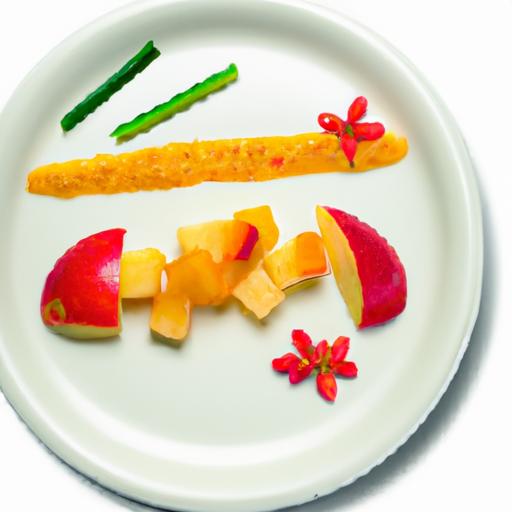
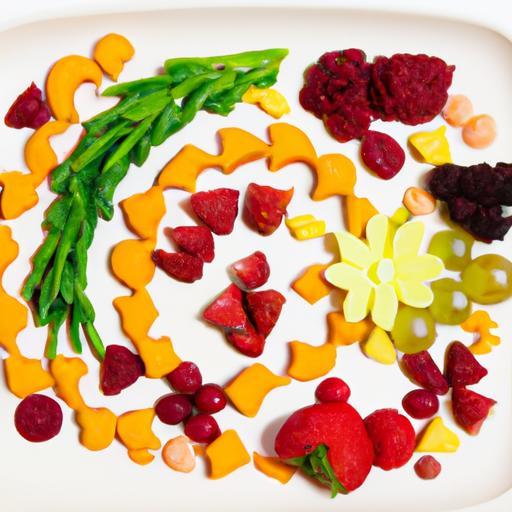

In a world bursting with vibrant flavors and endless creativity, fruit leather stands out as both a nostalgic treat and a canvas for edible artistry. more than just a chewy snack,this versatile delicacy invites you to transform simple fruit purées into stunning,colorful designs that delight the eyes as much as the palate. “Artful Fruit Leather: Crafting Edible Designs with Flair” explores the imaginative techniques and thoughtful craftsmanship behind turning humble ingredients into wearable works of edible art.Whether you’re an aspiring food artist or a curious culinary explorer, this journey into the textured world of fruit leather promises inspiration, innovation, and a deliciously creative twist on healthy snacking.
Artful Fruit Leather: Crafting Edible Designs with Flair
Artful Fruit Leather captivates the senses with its vibrant colors, luscious textures, and endless creative possibilities. Originating from ancient drying techniques used to preserve seasonal bounty, fruit leather has evolved into an edible canvas where inventiveness and flavor unite. Whether you’re aiming to craft playful shapes or sophisticated layered patterns, mastering this technique lets you transform humble purees into stunning, healthful artworks. This guide will empower you to select the perfect ingredients, perfect your pureeing and layering skills, and present your creations with professional flair.
Prep and Cook Time
- preparation: 20 minutes
- Drying: 6 to 8 hours (depending on thickness and oven/dehydrator model)
- Total Time: Approximately 7 hours
Yield
- Makes approximately 4 fruit leather rolls (each ~6 x 8 inches)
Difficulty Level
- Medium – Ideal for enthusiasts looking to elevate simple snacks into edible artwork
Ingredients
- 4 cups ripe mixed berries (blueberries, raspberries, strawberries), washed and hulled
- 2 medium peaches, peeled and pitted
- 1 large banana, ripe and peeled
- 2 tablespoons fresh lemon juice (balances sweetness and preserves color)
- 2 tablespoons honey or maple syrup (optional, for added sweetness)
- 1 teaspoon pure vanilla extract (optional, for depth of flavor)
- assorted finely chopped fresh mint or edible flower petals (for layering/texturing)
Instructions
- Prepare your fruit: Combine the berries, peaches, and banana in a food processor. Add fresh lemon juice to maintain vibrancy and prevent browning during drying.
- Puree until smooth: Blend fruits until completely smooth and uniform-this creates an ideal base for consistent drying and vibrant color. If desired, stir in honey and vanilla extract for enhanced flavor.
- strain the puree: For a silky finish, strain through a fine sieve to remove seeds and pulp that might interfere with layering or texturing.
- Prep your drying surface: Line a rimmed baking sheet with a silicone baking mat or parchment paper; lightly grease the surface for easy fruit leather removal.
- Layering for design: Pour a thin first layer (~1/8 inch) to dry slightly for 30 minutes. Then, arrange small dots or swipes of alternate colored purees or sprinkle finely chopped mint or edible flower petals strategically before adding the next thin layer. Repeat layering to build intricate patterns,letting each layer set partially-this brings depth and vibrant swirls.
- Dry the fruit leather: Set your dehydrator to 135°F (57°C) or your oven to the lowest possible setting, placing the trays in the middle rack. Dry for 6 to 8 hours, checking frequently after 5 hours. Leather is done when it is indeed no longer sticky but still pliable.
- Shape and texture: While the leather is still warm and flexible, cut into geometric patterns (triangles, circles) using cookie cutters. For textured effects, use the back of a small fork or the edge of a knife to imprint designs gently-these fine details elevate your fruit leather from snack to edible art.
- Cool completely: Before peeling from the mat, allow the leather to cool fully. This prevents tearing.
- Roll and store: Use parchment paper or plastic wrap to roll the sheets into tight cylinders. Store in airtight containers at room temperature for up to 2 weeks or freeze up to 3 months.
Chef’s Notes
- For stunning color contrasts, use brightly colored fruits like mango or kiwi purees to layer with darker berries.
- Experiment with spices such as cinnamon or cardamom to add subtle warmth and complexity.
- If your puree is too watery, cook it gently in a saucepan over low heat until slightly thickened before drying.
- Use an offset spatula to spread even layers for a professional look.
- To prevent sticking, dust cut fruit leathers lightly with cornstarch before rolling.
Serving Suggestions
Serve your fruit leather rolls sliced into colorful strips or bite-sized triangles on a rustic wooden board garnished with sprigs of fresh mint or edible flowers. They pair wonderfully with a cheese platter or as a refreshing trail snack. Consider layering fruit leather strips between parchment sheets in clear boxes tied with ribbon-perfect as gourmet gift treats or party favors.
 crafting edible designs vibrant colorful fruit and layered textures” class=”wp-image-1234″ />
Nutrition Information
| Nutrient | Per Serving (1 roll) |
|---|---|
| Calories | 110 kcal |
| Protein | 1.2 g |
| Carbohydrates | 28 g |
| Fat | 0.3 g |
For more inspiration on turning fresh fruits into beautiful edibles,explore our fruit dessert recipes and discover new creative techniques. To deepen your understanding of fruit drying safety and technology,visit USDA Food Dehydrators guide.
Q&A
Q&A: Artful Fruit Leather – Crafting Edible Designs with Flair
Q1: What exactly is fruit leather, and why is it considered an art form?
A: Fruit leather is a thin, chewy sheet made by pureeing fruit and dehydrating it until it transforms into a flexible, candy-like treat. It’s considered an art form as crafting it goes beyond simple drying – it’s about layering colors, shapes, textures, and sometimes even flavors to create edible masterpieces that delight both the eyes and the palate.
Q2: What are the essential ingredients for making artisanal fruit leather?
A: At its core, fruit leather needs just fresh fruit, a touch of natural sweetener (like honey or maple syrup), and occasionally a hint of lemon juice to brighten flavors and preserve color. to amp up the artistry, some creators add spices, edible flowers, or even vegetable purees to expand the color palette and complexity.
Q3: How can someone add flair and creativity to thier fruit leather designs?
A: Flair begins with the canvas – your dehydrator sheet or baking tray. Pour fruit purées in layers or swirls for marbled effects, use stencils to create shapes or messages, or paint with concentrated fruit juices for detailed illustrations. Rolling thin sheets and cutting them into intricate patterns or shapes before drying can also elevate the presentation.
Q4: Are there special tools or techniques that help achieve intricate designs?
A: Absolutely! Silicone mats provide a non-stick surface perfect for smooth layers. Fine brushes or droppers help paint or dot purées precisely. For precision cuts,cookie cutters or craft knives work wonders.Some aficionados even employ edible inks and stamps made from fruit concentrates to add logos or motifs.
Q5: How does the drying method affect the texture and appearance of fruit leather?
A: The drying method is pivotal. Dehydrators provide controlled, even heat that ensures uniform thickness and consistent drying, preserving vibrant colors. Ovens work well if set low and monitored vigilantly, but uneven heat can cause patchiness. Sun-drying is conventional but weather-dependent and riskier in texture consistency. Patience during drying results in supple, glossy leather that’s a pleasure to both eat and admire.
Q6: Can fruit leather be used beyond simply snacking-like in culinary presentations?
A: Definitely! Artful fruit leather can serve as colorful garnishes for plated desserts, edible gift wraps for small treats, or layered into parfaits for texture contrast. Its versatility makes it a favorite among chefs looking to add natural sweetness and a pop of color with a handcrafted touch.Q7: What are some tips for beginners eager to try their hand at crafting fruit leather designs?
A: Start simple: pick a favorite fruit, puree it smoothly, and experiment with single-color sheets. Once comfortable, try layering or swirling different fruits. Keep designs simple at first – think stripes or dots. invest in a good dehydrator if possible, and remember drying times vary depending on thickness and humidity. Most importantly, have fun and let your edible art reflect your personality!
Q8: Where can enthusiasts find inspiration for new fruit leather designs?
A: Look to nature’s vibrant palettes, seasonal fruits, and traditional textile patterns. Social media platforms like instagram and Pinterest brim with creative fruit leather images. Botanical illustrations, children’s storybooks, and even modern graphic design can spark fresh ideas. the key is to blend creativity with flavor harmony for a truly artful creation.
Whether you’re a kitchen novice or a seasoned creator, crafting fruit leather offers a delightful way to combine culinary skill with artistic expression. It’s where natural sweetness meets personal flair – an edible canvas just waiting for your imagination!
Final Thoughts
As you embark on your own journey of crafting artful fruit leather, remember that this vibrant canvas is limited only by your imagination-and your taste buds. Each strip becomes more than a snack; it’s an edible masterpiece, blending flavors and colors in playful harmony. Whether you’re shaping whimsical shapes, layering unexpected hues, or infusing spices for a subtle twist, fruit leather invites you to savor creativity in every bite. So gather your favorite fruits, sharpen those knives, and let your culinary artistry unfold-as with fruit leather, appetizing design is always within reach.