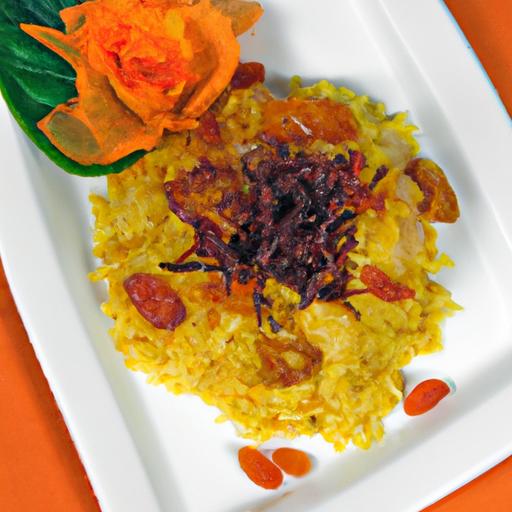
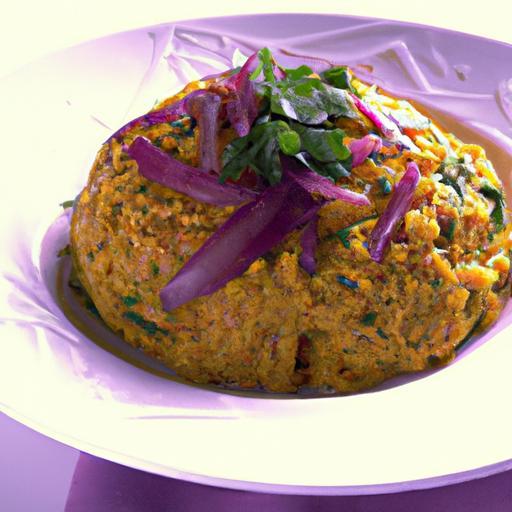

In the world of culinary treasures, few ingredients captivate the senses quite like saffron-the delicate crimson threads that transform humble grains of rice into a golden symphony of flavor and fragrance. “Golden Aroma: The Art and Science of Saffron Rice” invites you on a journey where tradition meets technique, and ancient wisdom blends seamlessly with modern culinary science. This article unravels the secrets behind saffron’s radiant hue and intoxicating scent,explores the meticulous process of infusing rice with its essence,and celebrates the cultural heritage woven into every aromatic bite. Prepare to discover how saffron rice elevates a simple staple into a masterpiece of taste and aroma, where art and science dance in perfect harmony.
Golden aroma: few dishes evoke warmth and luxury quite like saffron rice. From the bustling spice markets of Persia to the vibrant kitchens of the Indian subcontinent, this fragrant staple has woven itself into the cultural fabric of many culinary traditions. Its vibrant hue and delicate floral notes are a sensory invitation, a promise of both history and exquisite taste.
Prep and Cook Time
- Planning: 15 minutes
- Cooking: 25 minutes
- Total Time: 40 minutes
Yield
Serves 4-6 generous portions
Difficulty Level
medium – Requires attention to detail in layering flavor and texture
Ingredients
- 1 ½ cups basmati rice, rinsed until water runs clear
- 3 cups water or unsalted chicken broth for extra richness
- 3 teaspoons high-quality saffron threads
- 2 tablespoons hot water (to bloom saffron)
- 3 tablespoons unsalted butter or ghee
- 1 medium onion, finely chopped
- 2 garlic cloves, minced
- 1 teaspoon salt (adjust to taste)
- ½ teaspoon ground cinnamon
- ¼ teaspoon ground cardamom
- optional: toasted slivered almonds and chopped fresh parsley for garnish
Instructions
- Bloom the saffron: Place saffron threads in a small bowl with 2 tablespoons of hot water. Let steep for 10-15 minutes until the water turns a golden hue, fully releasing the delicate aroma.
- Prepare the rice: Rinse the basmati rice under cold water until clear, draining well to remove excess starch and prevent clumping during cooking.
- sauté aromatics: In a heavy-bottomed pot, melt the butter or ghee over medium heat. Add the finely chopped onion and sauté until translucent and soft, about 5-7 minutes. Stir in minced garlic and cook for another 30 seconds until fragrant.
- Add spices: Mix in the ground cinnamon and cardamom with the onions and garlic, stirring to coat. This gentle toasting releases essential oils for depth of flavor.
- Cook the rice: Add the rinsed rice to the pot, stirring gently for 2-3 minutes to toast each grain evenly without browning.
- Infuse with saffron: Pour in the saffron-infused water along with the remaining 3 cups of water or broth, and add salt.Give it a gentle stir to distribute the saffron color uniformly.
- Simmer and steam: Bring the mixture to a gentle boil, then reduce heat to low. Cover tightly with a lid and simmer for 15-18 minutes without lifting the lid, allowing the rice to absorb the saffron liquid and steam to perfection.
- Rest and fluff: Remove the pot from heat and let it sit, covered, for an additional 10 minutes. This step locks in moisture and enhances fluffy texture. gently fluff with a fork, avoiding mashing the grains.
- garnish and serve: Transfer to a warm serving dish. Sprinkle toasted slivered almonds and fresh parsley over the top for a burst of texture and vibrant color.
Chef’s Notes
- choosing saffron: Always opt for deep-red threads with orange tips for potency-avoid yellow or powder forms which are often adulterated or less flavorful (learn more).
- Rice alternatives: While basmati is ideal for its aroma and elongation, jasmine rice can be used for a slightly stickier texture suited to Southeast Asian dishes.
- Make ahead: This saffron rice can be made a day ahead and reheated with a sprinkle of water, covered tightly to retain moisture.
- Flavor variations: Add a pinch of saffron powder to the pilaf for a deeper color or fold in sautéed raisins and peas for a festive twist.
- troubleshooting: If rice is too hard after cooking, add a splash of hot water, cover, and let steam another 5 minutes.
Serving Suggestions
Present saffron rice alongside richly spiced dishes like lamb kebabs,grilled chicken,or vegetable tagines to balance its delicate floral complexity. For an elegant touch, serve in individual bowls garnished with pomegranate seeds, fresh herbs, or crunchy nuts. Pairing with a dollop of cooling yogurt or raita helps accentuate the golden aroma and keeps the palate refreshed.

| Nutrient | Per Serving (approx.) |
|---|---|
| Calories | 210 kcal |
| Protein | 4 g |
| Carbohydrates | 45 g |
| Fat | 5 g |
For those eager to dive deeper into the world of fragrant dishes, explore our in-depth guide on spiced lamb kebabs-a perfect complement to saffron rice’s rich character.
Q&A
Q&A: Golden Aroma – The Art and Science of Saffron Rice
Q1: What makes saffron rice so special compared to other rice dishes?
A1: Saffron rice isn’t just another side dish-it’s a culinary masterpiece that marries vibrant color, intoxicating aroma, and subtle flavor. The magic lies in saffron, the world’s most precious spice, which transforms simple rice grains into a golden tapestry infused with layers of history, culture, and sensory delight.
Q2: How does saffron impart its unique flavor and color to the rice?
A2: Saffron’s vivid golden hue and delicate aroma come from crocin,picrocrocin,and safranal-chemical compounds found in its stigmas. When steeped in warm liquid and gently folded into rice, these compounds release a luminous color and a complex flavor profile: floral, slightly honeyed, with a whisper of earthiness.
Q3: Is there a special type of rice that works best for saffron rice?
A3: Yes! Long-grain varieties like Basmati or Jasmine are ideal. Their fluffy, separate grains provide a perfect canvas for saffron’s brilliance. Basmati, with its nutty fragrance and slender grains, especially complements saffron’s delicate notes, creating a harmonious balance.
Q4: How do chefs unlock the full potential of saffron in cooking?
A4: The secret is patience. Saffron threads should be soaked in warm water, broth, or milk for at least 15-30 minutes before cooking. This soaking allows the spice to bloom fully, releasing color and aroma before it’s gently incorporated into the rice, ensuring every grain is kissed by saffron’s golden glow.
Q5: Are there health benefits to eating saffron rice?
A5: Absolutely. Beyond its culinary allure, saffron has antioxidant, anti-inflammatory, and mood-enhancing properties. Paired with nutrient-rich rice, it can support digestion, reduce stress, and even boost cognitive function - a feast for both palate and well-being.
Q6: can saffron rice be adapted to different cuisines or dishes?
A6: Definitely! While saffron rice shines in Persian and Mediterranean dishes, it’s a versatile canvas. You can add nuts and dried fruits for a Moroccan twist, toss in herbs and spices for indian biryani inspiration, or serve it alongside seafood or grilled meats for a luxurious, aromatic side.
Q7: How do you spot real saffron and avoid imitations when making saffron rice?
A7: Real saffron threads are trumpet-shaped, deep red with orange tips, and have a strong, sweet aroma.Beware of dyed threads or substitutes like safflower, which lack fragrance and color intensity.Quality saffron is pricey but investing in authenticity pays off in flavor and aroma.
Q8: What is the cultural meaning of saffron rice around the world?
A8: Saffron rice tells stories of ancient trade routes, royal banquets, and festive celebrations. From Persian palaces to Indian weddings,it’s a symbol of luxury,prosperity,and hospitality. Its presence on the table often marks important moments and shared joy across cultures.
In essence, saffron rice is more than a dish-it’s an artful celebration of nature’s finest threads woven into everyday life, elevating humble grains into golden poetry.
The Way Forward
As the delicate threads of saffron weave their golden hue into every grain, saffron rice transforms from a simple staple into a sensory masterpiece-a celebration of both art and science. This fragrant dish, steeped in history and brimming with complexity, reminds us that cooking is more than nourishment; it’s an alchemy of tradition, culture, and precise technique.whether savored at a festive gathering or enjoyed in quiet reflection, saffron rice invites us to appreciate the subtle magic behind its radiant aroma and vibrant color-a timeless testament to the beauty found in nature’s finest treasures.