
Imagine a tiny, invisible magician tucked away in your kitchen-a substance that can transform liquids into luscious gels, turn sauces silky smooth, and elevate your everyday recipes to unusual heights.Welcome to the enchanting world of hydrocolloids. Weather you’re a curious home cook or an aspiring culinary wizard, understanding these versatile ingredients is the first step toward unlocking a new realm of texture and taste. In this beginner’s guide, “Hydrocolloid 101: Your Beginner’s Guide to Gel Magic,” we’ll demystify the science behind these magical gels, reveal their practical uses, and provide you with all the tips you need to start experimenting confidently. Get ready to stir, set, and savor the wonders of gel magic!
Hydrocolloid 101 introduces you to the fascinating world of gel magic, where the invisible science behind hydrocolloids brings texture and structure to both culinary masterpieces and innovative cosmetic creations. These unique food-grade polysaccharides and proteins unlock endless possibilities-from silky panna cottas to indulgent face masks-with their remarkable ability to thicken, stabilize, and gel liquids.
Prep and Cook Time
- planning: 10 minutes
- Setting/Resting: 2 hours (varies by hydrocolloid)
Yield
- Approximately 4 servings (depending on recipe size)
Difficulty Level
- Beginner to Intermediate
Ingredients
- 2g agar agar powder (a plant-based gel former ideal for firm sets)
- 250 ml filtered water or juice (cold or room temperature)
- 1 tbsp sugar (optional, depending on flavor)
- 1 tsp lemon juice (to brighten flavor and assist gel network)
- Optional Flavorings: vanilla extract, rosewater, or fruit puree
Instructions
- Hydrate the Hydrocolloid: In a small saucepan, blend agar agar powder with the cold liquid, ensuring no lumps remain by whisking vigorously.
- Heat to Activate: Bring the mixture to a gentle boil over medium heat; this activates the agar’s gel-forming power. Stir consistently to dissolve all particles, about 3-5 minutes.
- Add Sweeteners and Acids: Remove from heat, then stir in sugar and lemon juice. Acidity helps balance the gel’s strength and flavor.
- Pour and Set: Transfer the hot liquid into molds or serving glasses. Let cool slightly before refrigerating.
- Chill Until Firm: Refrigerate for at least 1-2 hours. Agar gels firm at room temperature but for clean slicing, chilling is recommended.
Chef’s Notes: Tips for Success
- Choosing Your Hydrocolloid: Agar agar sets firm and clear gels, perfect for plant-based recipes. For softer, more elastic gels, experiment with gelatin or pectin. Xanthan gum offers viscosity but no gel, ideal for sauces.
- Measuring Precisely: Hydrocolloids are powerful-too much results in rubbery textures; too little will fail to set. Weigh powders accurately using a digital scale.
- Temperature awareness: Agar requires boiling to activate, while gelatin should never be boiled. Follow specific instructions for each to maximize gel integrity.
- Flavor Balancing: Acidic ingredients like lemon juice or fruit puree can weaken some gels. Adjust quantities and add acids after heating.
- Storage: Store gels in airtight containers to avoid drying out. Agar gels maintain structure well even at room temperature for short periods.
Serving Suggestions
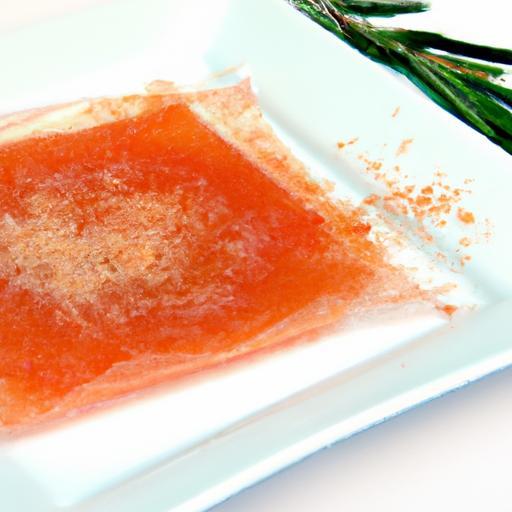
Present your gels in clear molds or glassware to showcase their pristine texture. Garnish with edible flowers, fresh herbs like mint, or vibrant fruit segments to enhance visual appeal and add complementary flavors. For a culinary twist, layer with mousse or custard to create irresistible contrasts of softness and gelled texture. if using hydrocolloid gels in cosmetics,pack gently in jars and label with ingredient details for safe enjoyment.
| Nutrient | Amount per Serving |
|---|---|
| Calories | 15 kcal |
| Protein | 0 g |
| Carbohydrates | 4 g |
| Fat | 0 g |

Explore more advanced hydrocolloid recipes and techniques in our Advanced Gel Techniques post and deepen your mastery of this culinary science.
Q&A
Hydrocolloid 101: your Beginner’s Guide to gel Magic – Q&A
Q1: What exactly is a hydrocolloid?
A1: Think of a hydrocolloid as a tiny sponge with magical gel powers. Technically, it’s a substance that forms a gel when it meets water. In the kitchen and science world, hydrocolloids are natural or synthetic polymers-like gelatin, agar, xanthan gum, or pectin-that thicken, stabilize, or transform liquids into luscious gels. They’re the unsung heroes behind your favorite jellies, dressings, and even some skincare products.
Q2: Why all the fuss about hydrocolloids?
A2: Hydrocolloids bring texture and structure where there was none before. They let chefs create velvety sauces, delicate foams, and bouncy desserts. Beyond taste and feel, they also help improve shelf life and can even control how food melts or holds shape-think of a gel that wiggles perfectly but doesn’t collapse. Plus, they’re a playground for culinary creativity and scientific curiosity alike.
Q3: How do hydrocolloids work their gel magic?
A3: When hydrocolloids encounter water, their molecules absorb it and link up in intricate networks-imagine a molecular hug that traps water inside, turning liquid into gel. Different hydrocolloids form different textures: some create sturdy,jelly-like holds; others yield soft,creamy suspensions. Heat, pH, and the presence of other ingredients can all influence the final gel’s personality.
Q4: Are all hydrocolloids made equal?
A4: Not at all! They’re a diverse family.Agar, from seaweed, forms firm, brittle gels perfect for vegan desserts. Gelatin, from animal collagen, creates tender, melt-in-your-mouth jelly. Xanthan gum, a bacterial product, doesn’t gel like a jelly but thickens liquids dramatically. Each has its own temperature sensitivity, setting speed, and texture profile-knowing which to choose is the secret to culinary success.
Q5: Can I experiment with hydrocolloids at home?
A5: Absolutely! Many hydrocolloids are available in health food stores or online. Start simple: try agar to make a fruit jelly with a firm bite,or add a pinch of xanthan gum to thicken homemade salad dressing to cling perfectly on your greens.Just remember: a little goes a long way, and texture changes can sneak up on you. Patience and playful testing are the keys.
Q6: Beyond the kitchen, where else do hydrocolloids show up?
A6: Hydrocolloids moonlight as skincare saviors-think soothing wound dressings and moisturizers that gel on your skin to protect and hydrate. They also appear in pharmaceuticals to control drug release and in the food industry as fat replacers for healthier indulgence. Their ability to control moisture and texture makes them incredibly versatile across sectors.
Q7: What’s one myth about hydrocolloids you want to bust?
A7: That hydrocolloids are some strange chemical wizardry only scientists can wield. In reality, many are natural, edible, and accessible. their “magic” is grounded in simple science and can be harnessed by anyone curious enough to dip a spoon into the world of gels, textures, and transformations. Gel magic is for everyone!
Q8: Where can I learn more and dive deeper into hydrocolloid wizardry?
A8: Start with cookbooks that focus on molecular gastronomy or food science.Online forums and video tutorials offer step-by-step guides and creative recipes. Also,experiment with small batches at home,documenting your textures and results. with every wobble of your homemade gel, you’ll unlock more secrets of hydrocolloid magic.
Dive in and let the gel journey begin-because in the world of hydrocolloids, the only limit is your inventiveness!
to Wrap It Up
As you embark on your journey into the world of hydrocolloids, remember that these unassuming gels hold a universe of culinary and scientific possibilities within their slippery embrace. From transforming textures to stabilizing flavors, hydrocolloids are truly the magicians behind many modern innovations. Whether you’re a curious home cook or an aspiring food scientist, understanding their secrets opens doors to endless creative exploration. So go ahead-experiment, experiment, and let the gel magic guide you to new textures and tastes you never thought possible. The world of hydrocolloids is vast, versatile, and waiting for your next masterpiece. Happy gelling!