
Delicate, chewy, and irresistibly sweet, macaroons have long held a special place in the hearts of dessert lovers around the world. But for those navigating the complexities of gluten sensitivities or celiac disease, a lingering question remains: Are these delightful confections truly safe to enjoy? In this article, we unravel the mystery behind macaroons and gluten, exploring their ingredients, baking methods, and what to look for to ensure that these sweet treats can be savored worry-free. Whether you’re a gluten-free novice or a seasoned baker, join us on a flavorful journey to discover if macaroons deserve a spot in your dessert repertoire.
Understanding Macaroons Ingredients and Gluten Content
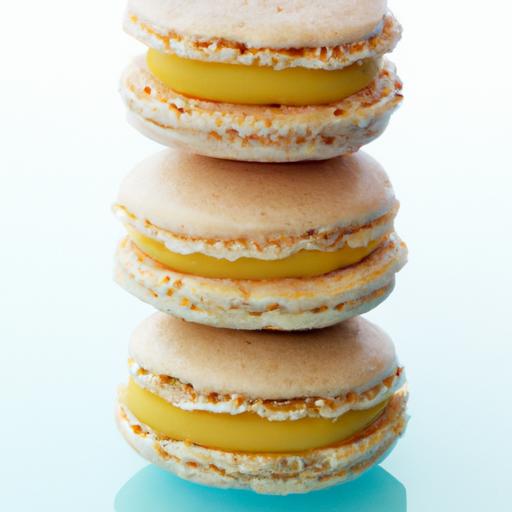
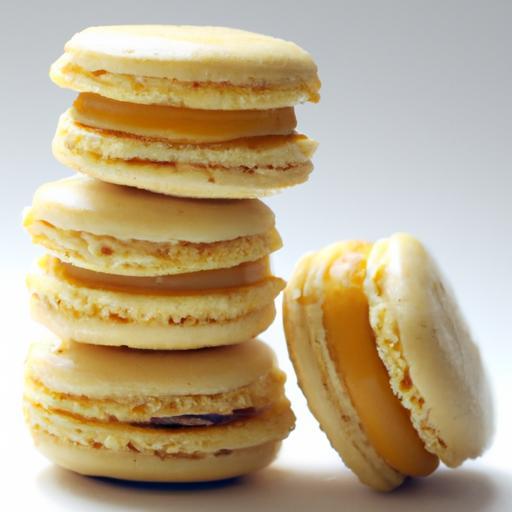
Macaroons and gluten frequently enough raise questions for those with dietary sensitivities or celiac disease, making it essential to understand what goes into these delightful confections. Traditional macaroons, those chewy, coconut-based treats, are naturally gluten-free, as they rely primarily on shredded coconut, sugar, and egg whites. However, confusion sometimes arises because of the similarity in name to French macarons, which often contain almond flour and can be a different texture and ingredient profile.
How Gluten can Affect Those with Sensitivities or Celiac Disease
Gluten, a protein found in wheat, barley, and rye, can cause severe health issues for people with celiac disease and various gluten sensitivities. Even trace amounts can trigger uncomfortable and hazardous reactions. since macaroons are typically gluten-free, they can be a perfect sweet indulgence, but cross-contamination during processing or hidden gluten from additives can pose risks. Reading labels carefully is vital to ensure safety.
Tips for Choosing or Making Gluten-Free Macaroons at Home
creating gluten-free macaroons at home opens a world of possibilities for those adhering to gluten-free diets.
- Use pure shredded coconut, preferably unsweetened, to avoid added gluten-laden fillers.
- Choose gluten-free vanilla extract and other flavorings to maintain purity.
- Substitute any thickeners or binding agents with certified gluten-free options like almond flour or cornstarch, if used.
- Whip egg whites until stiff peaks form-this creates the perfect texture without needing any flour.
- Always ensure your baking equipment is spotless to prevent cross-contamination.
Navigating Store-Bought Options and What to Look For on Labels
When selecting packaged macaroons, look beyond the attractive packaging.The focus keyword macaroons and gluten guides you to scrutinize ingredient lists rigorously. Opt for products labeled “certified Gluten-Free”. Avoid those containing wheat starch, malt, or barley malt, and be cautious with added flavorings or preservatives. brands that clearly state “gluten-free” and list ingredients transparently will safeguard your health and pleasure.
Classic Gluten-Free Coconut Macaroons Recipe
nothing compares to the simple, chewy bliss of homemade macaroons and gluten-free ingredients combined with a touch of vanilla and a golden crust. This recipe is straightforward, inviting even beginners to create a batch of sweet comfort.
Yield: 12 macaroons
Difficulty Level: Easy
Ingredients
- 3 cups unsweetened shredded coconut
- 3/4 cup granulated sugar
- 1/4 teaspoon salt
- 4 large egg whites, at room temperature
- 1 teaspoon gluten-free vanilla extract
Instructions
- Preheat your oven to 325°F (163°C). Line a baking sheet with parchment paper for clean release.
- In a large bowl, combine shredded coconut, sugar, and salt evenly.
- In a separate bowl, beat the egg whites with an electric mixer on medium-high speed until soft peaks form.
- Gently fold in the vanilla extract, followed by gradually mixing the coconut mixture into the whipped egg whites.
- Using two spoons or a cookie scoop, drop heaping tablespoons of the batter onto the prepared baking sheet, spacing them about 1 inch apart.
- Bake for 18-20 minutes or until the edges and tops turn a light golden color. Watch closely to prevent burning.
- Remove from oven and let cool on the sheet for 5 minutes, then transfer to a wire rack to cool fully.
tips for Success
- Room temperature egg whites whip better and create a sturdier base.
- For extra flavor,gently fold in 1/4 cup mini chocolate chips or chopped nuts.
- Make them ahead and store in an airtight container at room temperature for up to 4 days.
- If a slightly crisp bottom is desired, rotate the baking tray halfway through baking.
- Gluten-free vanilla extract is key; some cheaper extracts may use gluten-containing additives.
Serving suggestions
Serve these macaroons as a delightful afternoon treat with a cup of herbal tea or iced coffee. For an elegant twist, drizzle with melted dark chocolate or pair with fresh berries. Garnish the serving tray with edible flowers or mint leaves to elevate the visual appeal.

| Nutrient | Per Macaroon |
|---|---|
| Calories | 110 kcal |
| Protein | 2 g |
| Carbohydrates | 14 g |
| Fat | 5 g |
For more tips on gluten-free baking, explore our Gluten-Free Baking basics. For trustworthy medical advice on celiac disease and gluten sensitivity, visit the Celiac Disease Foundation.
Q&A
Q&A: Macaroons and Gluten – Are These Sweet Treats Safe?
Q: What exactly are macaroons?
A: Macaroons are delightful, chewy cookies typically made from shredded coconut, egg whites, and sugar. Often golden and slightly crisp on the outside with a moist, tender center, they’re a beloved treat for those craving something sweet and satisfying.
Q: How are macaroons different from macarons?
A: Ah, a common point of confusion! Macarons are airy, delicate sandwich cookies made from almond flour, egg whites, and sugar, filled with ganache or buttercream. Macaroons, on the other hand, focus on coconut and have a dense, chewy texture.
Q: Do macaroons contain gluten?
A: Traditional macaroons, made from coconut, egg whites, and sugar, are naturally gluten-free since none of these ingredients contain gluten. This makes them an excellent option for those avoiding gluten.
Q: can I trust store-bought macaroons to be gluten-free?
A: Many brands label their macaroons as gluten-free, but always double-check the packaging. Some commercial versions may include flavorings, fillers, or be processed in facilities that handle gluten-containing products, leading to potential cross-contamination.
Q: What about homemade macaroons-are they safer?
A: Homemade macaroons allow you to control every ingredient, making it easier to avoid gluten altogether. Just make sure no gluten-containing ingredients sneak into your recipe-like certain flavor extracts or processed coconut products.
Q: Are there any hidden sources of gluten in macaroons I should watch out for?
A: Sometimes, yes. Such as, if macaroons are dipped in chocolate, check whether the chocolate contains gluten additives. Also, some recipes might add vanilla or other flavorings thickened or preserved with gluten-containing substances. Always read ingredient labels carefully.
Q: Can people with celiac disease safely eat macaroons?
A: Pure, properly made macaroons without any gluten-containing ingredients or cross-contamination are generally safe. However, individuals with celiac disease should be cautious and verify ingredients thoroughly or opt for certified gluten-free products.
Q: How can I enjoy macaroons safely if I have gluten sensitivity?
A: Choose macaroons with simple ingredients, buy from trusted gluten-free brands, or better yet, bake your own at home using fresh, gluten-free ingredients. enjoy with confidence and savor every bite!
Q: Are there delicious variations of gluten-free macaroons?
A: Absolutely! You can add almond butter, drizzle dark chocolate, stir in zesty lemon zest, or sprinkle toasted nuts. These creative twists keep your macaroon adventures exciting without compromising your gluten-free needs.
Q: Final takeaway-should gluten-sensitive folks say yes or no to macaroons?
A: Say a sweet, resounding “yes!” just make sure to verify ingredients and preparation methods. Macaroons can be a naturally gluten-free delight, perfect for satisfying your sweet tooth without the gluten worries.
In conclusion
In the delightful world of confections,macaroons stand out as a sweet symphony of flavor and texture. For those navigating the maze of gluten sensitivities or celiac disease, these chewy, coconut-kissed treats frequently enough emerge as a safe haven-gluten-free by nature, yet rich in indulgence. However, as with all culinary adventures, the key lies in vigilance: checking ingredient labels, avoiding cross-contamination, and choosing trustworthy recipes or brands. So next time you reach for a macaroon, savor not only it’s delicate sweetness but also the peace of mind that comes from knowing it’s a gluten-friendly delight. After all, enjoying treats should never come at the expense of your health.