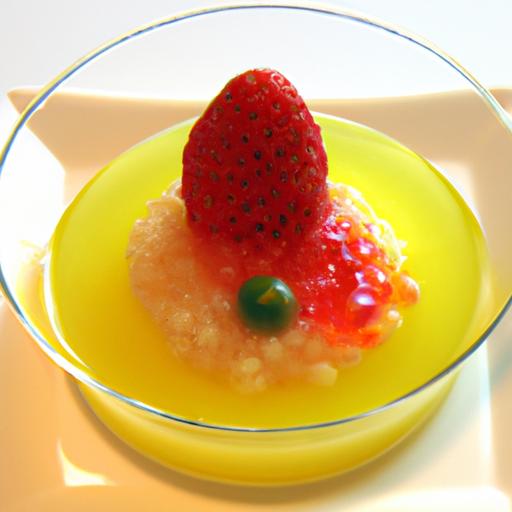
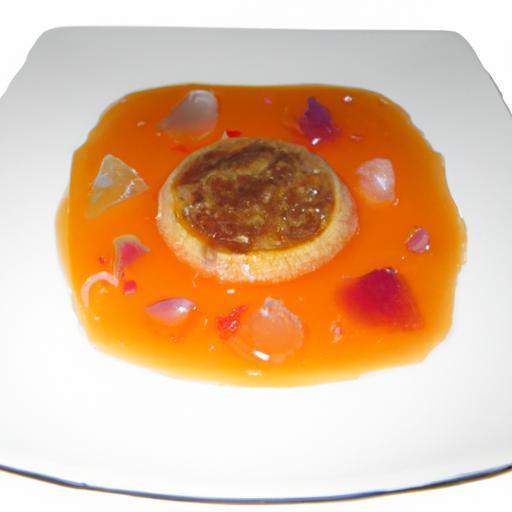

imagine turning ordinary juice, soda, or even colorful fruit purees into floating, edible bubbles that pop with flavor-right in your own kitchen! Magic bubbles, a playful twist on the science of spherification, invite kids to explore the fascinating world of food chemistry while creating flavorful, bite-sized spheres that sparkle with fun. This easy and enchanting activity combines creativity, hands-on learning, and tasty treats, making it a perfect experiment for curious young minds eager to mix magic with science.Get ready to dive into the bubbly adventure of spherification and discover how simple ingredients can transform into mesmerizing edible jewels!
Magic Bubbles: Easy Spherification Fun for Kids to Try
Magic Bubbles: Easy Spherification Fun for Kids to Try unlocks a world where science meets culinary creativity in the most playful way. This mesmerizing technique transforms colorful liquids into delicate spheres that burst with flavor-captivating curious minds and eager taste buds alike. Perfect for family fun or educational kitchen adventures, spherification turns simple ingredients into magical bubbles children love to explore.
The Science Behind Magic Bubbles and How They Work
At its core, spherification is a fascinating chemical process where liquids are encapsulated within a thin gel membrane, forming tiny spheres that resemble bubbles. This happens through a reaction between sodium alginate,a natural gelling agent derived from seaweed,and calcium chloride or calcium lactate. When the sodium alginate-infused liquid meets calcium ions, it cross-links, creating a flexible but intact skin around the liquid. Understanding this natural phenomenon helps us safely create edible “magic bubbles” bursting with flavor and color.
Choosing the Best Ingredients for Safe and Colorful Spherification
Quality and safety start with the ingredients. Use food-grade sodium alginate to ensure proper gelling and smooth texture without bitterness. For the calcium bath, opt for calcium chloride for a firmer sphere or calcium lactate when a milder taste is preferred. Pick vibrant fruit juices, vegetable purees, or flavored waters that are free from excessive acidity or dairy, as high acid or calcium can affect gel formation. Natural colors like beetroot juice, carrot juice, and spirulina powder make for stunning, kid-amiable hues that brighten the kitchen and the inventiveness.
Prep and cook Time
- Readiness: 20 minutes
- Setting Time: 15 minutes
- Total Time: 35 minutes
Yield
Approximately 20 – 30 spheres depending on size
Difficulty Level
Easy to Medium: Ideal for beginner cooks and children with supervision
Ingredients
- 1 cup fresh fruit juice or flavored liquid (e.g.,mango,watermelon,or strawberry juice)
- 1 gram (½ teaspoon) food-grade sodium alginate
- 4 cups water (divided)
- 5 grams (1 teaspoon) calcium chloride – for the calcium bath
- Optional: natural food coloring like beetroot powder,spirulina,or turmeric for vibrant spheres
- Small kitchen spoon or syringe (for dropping spheres)
- Fine mesh strainer (to rinse spheres)
- two medium bowls
Step-by-Step Guide to Creating Perfect Spheres at Home
- Prepare the sodium alginate mixture: Blend 1 gram of sodium alginate into 1 cup of your chosen juice. Use an immersion blender to fully dissolve. Allow the mixture to rest for 15 minutes to release trapped air bubbles and ensure smoothness.
- Make the calcium bath: Dissolve 5 grams of calcium chloride in 3 cups of cold water. Stir until fully dissolved. Set aside.
- Form the magical bubbles: Using a small spoon or syringe, gently drop small dollops of the alginate juice into the calcium bath. Watch as each droplet instantly gels, forming a translucent sphere with a delicate membrane.
- Set and rinse: let spheres sit for about 1-2 minutes to reach desired firmness, then carefully remove them using a slotted spoon. Rinse gently in a bowl of clean water to remove excess calcium.
- Serve instantly: Present your bright and lively spheres on a spoon, in a clear cup, or atop a dessert to wow kids with both flavor and fun.
Creative Ways to Turn Magic Bubbles into Edible Adventures for Kids
once you master basic spherification with Magic Bubbles: Easy Spherification fun for Kids to Try, the creative possibilities are endless. Try making rainbow fruit spheres in layered colors, or surprise kids with “fruit caviar” sprinkles on yogurt or ice cream. Incorporate edible flowers or tiny fruit bits inside the spheres for visual appeal. Use bubble tea straws to slurp up your creations or craft a sensory play activity by having kids mix textures and flavors themselves. The tactile and taste experience makes it a delightful educational treat that inspires curiosity and joy around food science.
Tips for Success
- Patience matters: Let the sodium alginate mixture fully hydrate and air bubbles settle to avoid air pockets in spheres.
- Calcium type affects texture: Calcium chloride creates a firmer skin but can taste bitter; calcium lactate is milder but works best with reverse spherification.
- Avoid acid-heavy liquids: Very acidic mixtures like lemon or pineapple juice inhibit gelling; balance with neutral juice or blend with water.
- Use fresh ingredients: avoid preservatives or pulp that may interfere with smooth gel formation.
- Cool spheres before serving: Keep spheres chilled to enhance their refreshing burst when eaten.
Serving Suggestions
Arrange your Magic Bubbles on colorful plates,alongside fresh fruit slices,edible flowers,or a dollop of whipped cream for contrast. serve in obvious cups layered with sparkling lemonade for a fizzy surprise.For a fun twist, create a “fruit bubble salad” combining several flavors and colors. Garnish with mint leaves or a sprinkle of popping candy to add sparkle and sound-perfect for birthday parties or anytime you want to make mealtime magical!

| Nutrition per 10 Spheres | Calories | protein | Carbs | Fat |
|---|---|---|---|---|
| Approximate | 30 kcal | 0.2 g | 7 g | 0 g |
For further exploration into the science of spherification,visit ScienceDaily’s article on alginate gels. Also,check out our Fun Kitchen Science Activities for Kids for more edible experiments that engage the whole family.
Q&A
Q&A: Magic Bubbles – Easy Spherification Fun for Kids to Try
Q1: What exactly is spherification, and why is it called “magic bubbles”?
A: Spherification is a kitchen science technique that turns liquids into little gelatinous spheres-imagine edible bubbles that burst with flavor! It’s often called “magic bubbles” because the liquid magically transforms into a delicate, jelly-like orb, making it feel like your mixing a bit of kitchen wizardry.
Q2: Is spherification safe and easy enough for kids to try?
A: Absolutely! When done with simple, food-safe ingredients like fruit juice, water, calcium, and sodium alginate, spherification is a fun, hands-on experiment perfect for curious kids. With adult supervision, kids can safely create their own edible bubbles and learn a little science in the process.
Q3: What ingredients do you need for easy spherification at home?
A: The basics include sodium alginate (a natural thickener from seaweed), calcium lactate (or calcium chloride), and the flavored liquid you want to turn into bubbles-like fruit juice or flavored water. These special powders are frequently enough available online or at specialty cooking stores.
Q4: How does the spherification process work?
A: First, you mix your juice with sodium alginate and let it rest to get smooth. Next, you prepare a calcium bath in a separate bowl.Using a spoon or syringe, you drop the juice mix into the calcium bath. When the calcium meets the alginate, it forms a thin gel skin around each droplet-voilà! Magic bubbles appear.
Q5: Can kids use any liquid flavorings for their magical bubbles?
A: Yes! Sweet fruit juices, flavored teas, even smoothies work great. avoid liquids that are too thick or contain dairy, as they may interfere with the gelling process. Encourage kids to experiment with colors and flavors-maybe even surprise friends with rainbow bubbles!
Q6: How do you eat or serve these magic bubbles?
A: Carefully scoop them out with a slotted spoon and place them on a spoon or in a dessert cup.When popped in the mouth,the bubbles burst with a juicy splash,turning snack time into a playful tasting adventure.
Q7: What science can kids learn from magic bubbles?
A: They’ll get hands-on experience with concepts like gels, polymers, and chemical reactions! It’s a tasty introduction to food science, showing how different ingredients interact to create new textures. Plus, it’s a neat way to connect cooking with chemistry and creativity.
Q8: Any tips to make spherification easier and more fun?
A: Patience is key-let the sodium alginate mix fully hydrate to avoid gritty bubbles. Use a syringe or dropper for perfectly round spheres. And don’t be afraid to get creative with presentation-serve bubbles in colorful cups, or add them to drinks for a magical surprise.
Q9: Can spherification bubbles be stored?
A: They’re best enjoyed fresh within a few hours because the gel membrane can continue to thicken over time. Keep them chilled in a little water to prevent sticking before serving.
Q10: Where can I find beginner-friendly spherification kits?
A: many cooking retailers and online stores offer kits designed specifically for beginners and kids, often including all the special ingredients and easy instructions-perfect for a magical, messy, fun afternoon!
Ready to create your own magical bubbles and wow your taste buds? Gather your ingredients, invite your curious adventurers, and dive into the sparkling science of spherification!
Concluding Remarks
Whether you’re hosting a lively birthday party or simply looking to spark a little kitchen creativity, magic bubbles offer an enchanting twist on classic play and science. With just a few simple ingredients and a pinch of curiosity, kids can dive into the fascinating world of spherification-where liquids transform into delightful, burst-in-your-mouth spheres. Beyond the fun, these bubbly experiments encourage exploration, teach basic chemistry, and inspire young imaginations to float freely. So gather your supplies, roll up your sleeves, and watch as ordinary liquids turn into remarkable magic bubbles that are sure to captivate and delight every budding scientist and artist alike.