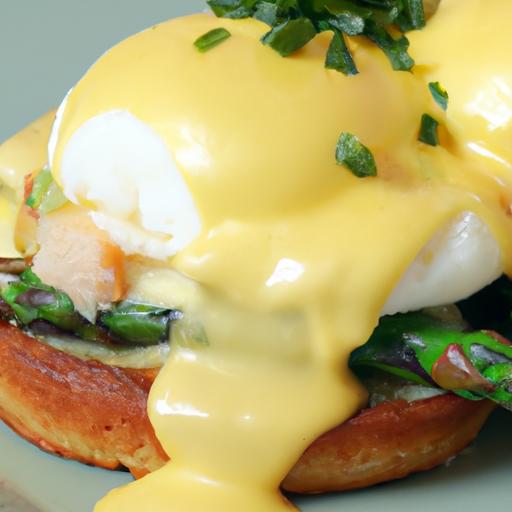
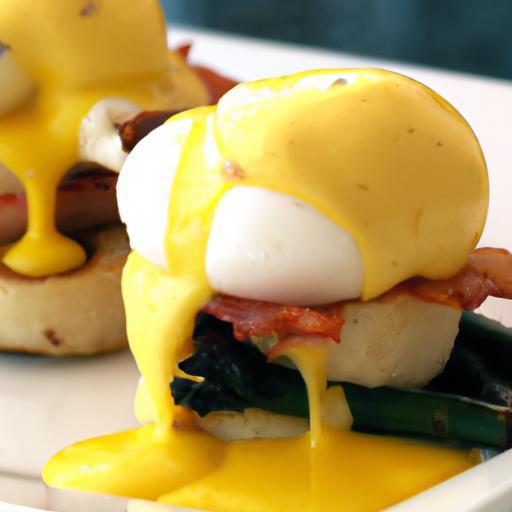

Few culinary triumphs rival the luxurious allure of Eggs Benedict-a harmonious stack of toasted English muffins, delicately cured ham or crispy bacon, and perfectly poached eggs cloaked in a velvety blanket of Hollandaise sauce. Yet, behind this brunch favorite lies a notoriously temperamental star: Hollandaise itself.Mastering this sumptuous sauce is less about chance and more about understanding its delicate dance of egg yolks,clarified butter,and just the right touch of acid. In this article, we’ll unravel the art and science of crafting flawless Hollandaise, turning what many consider a daunting challenge into a signature skill that elevates Eggs Benedict from delightful to unforgettable.
Mastering Hollandaise Sauce: The Key to Perfect Eggs Benedict
Mastering Hollandaise sauce is truly the secret to elevating Eggs Benedict from simple brunch fare to a culinary masterpiece. This classic French sauce, silky and buttery, has fascinated chefs and home cooks alike for centuries. Originating from 17th-century France, its rich yet delicate texture perfectly balances the tartness of lemon and the richness of egg yolks and butter – a harmony that can seem elusive, but is achievable with the right technique and understanding.
Prep and Cook Time
- Planning: 10 minutes
- Cooking: 10 minutes
- Total Time: 20 minutes
Yield
Serves 4 generously
Difficulty Level
Medium – requires attention but incredibly rewarding
Ingredients
- 3 large egg yolks, at room temperature
- 1 tablespoon fresh lemon juice
- 1/2 cup (115g) unsalted butter, melted and warm
- Pinch of salt
- Pinch of cayenne pepper or white pepper (optional)
Step by Step Techniques to Achieve the Perfect Emulsion
- Prepare a gentle double boiler setup: Fill a saucepan with an inch or two of water and bring to a simmer over medium-low heat. Place a heatproof bowl on top, ensuring the bottom does not touch the water.
- Whisk the egg yolks and lemon juice: In your bowl, vigorously whisk together the egg yolks and lemon juice until the mixture becomes thick and pale, about 1-2 minutes. This initial aeration is key to a light, smooth sauce.
- Slowly add melted butter: While continuously whisking,very slowly drizzle in the warm melted butter in a thin stream. The key here is slow incorporation-too fast and the sauce may separate.
- Maintain low heat: Keep whisking constantly to avoid scrambling the eggs. The sauce should gradually thicken and become glossy and supple.
- Season and serve immediately: remove from heat and season with salt and cayenne or white pepper for a gentle kick. if the sauce is too thick, whisk in a teaspoon of warm water to adjust consistency.
Troubleshooting Common Hollandaise Issues with Pro Tips
- Curdled Sauce: If your hollandaise starts to scramble, remove from heat immediately and whisk in a tablespoon of cold water to cool it down and bring back smoothness.
- Broken Emulsion: To rescue a separated sauce, whisk in a teaspoon of cold water or an additional egg yolk in a clean bowl, then slowly add the broken sauce back.
- Too Thick: Adjust with a few drops of warm water, whisking until your ideal luscious texture is reached.
- Flavor imbalance: Use fresh lemon juice-bottled can impart bitterness or dullness.
- butter temperature too hot or cold: Ensure butter is warm but not boiling; too hot will cook eggs prematurely.
Understanding the Science Behind a Silky Smooth Hollandaise
The magic behind mastering hollandaise sauce lies in the science of emulsification-a delicate dance between fat and water molecules. Egg yolks contain lecithin, a natural emulsifier, which allows the rich butterfat to blend seamlessly with the watery lemon juice and cooking liquid. The gentle heat denatures proteins just enough to thicken the mixture, creating that luxurious, velvety texture. Whisking constantly introduces tiny air bubbles, stabilizing the emulsion and ensuring a smooth finish.
Selecting the Finest Ingredients for Exceptional Flavor
Each ingredient plays a vital role in perfecting the sauce’s flavor and texture. Choose fresh, high-quality eggs at room temperature to blend more evenly. unsalted European-style butter, with its higher fat content and natural creaminess, enriches the sauce immensely.Freshly squeezed lemon juice brightens the richness, while a subtle pinch of cayenne rounds out the flavor with a whisper of warmth.Remember, quality ingredients multiply the payoff!

Chef’s notes: Tips for Success
- Make-ahead tip: Hold hollandaise warm by placing the bowl in a warm water bath (not hot) for up to 30 minutes. Avoid reheating over direct heat to preserve texture.
- Variations: Infuse herbs like tarragon or chervil for a classic Béarnaise twist; add a dash of Dijon mustard to deepen complexity.
- Substitutions: For a lighter version, try using clarified butter instead of whole butter for a cleaner finish.
- Hands-on advice: If whisking by hand feels intimidating, a hand blender on low speed can definitely help maintain a stable emulsion.
Serving Suggestions
Pour your perfectly mastered hollandaise sauce generously over beautifully poached eggs nestled on buttery toasted English muffins, topped with crisp Canadian bacon or sautéed spinach for that quintessential Eggs Benedict. Garnish with freshly chopped chives or a light sprinkle of smoked paprika to add color and subtle flavor. Serve with lightly dressed arugula or roasted asparagus for a refined brunch experience.
| Nutritional Info (per serving) | Calories | Protein | Carbs | Fat |
|---|---|---|---|---|
| Hollandaise Sauce (approx.) | 220 | 2g | 1g | 24g |
For more detailed techniques on classic brunch recipes, explore our Classic Brunch Recipes. To deepen your understanding of emulsions and French sauces, visit Serious Eats’ Hollandaise Guide.
Q&A
Q&A: mastering Hollandaise Sauce – The Key to Perfect Eggs Benedict
Q1: What makes Hollandaise sauce so essential to Eggs Benedict?
A1: hollandaise sauce is the golden silk that crowns Eggs Benedict. Its rich, buttery tang elevates the poached eggs and ham-laden English muffin, weaving everything together with a luscious, velvety embrace. Without it, the dish feels incomplete-like a symphony missing its crescendo.
Q2: Why is Hollandaise considered one of the trickiest sauces to master?
A2: Hollandaise dances delicately on a razor’s edge between creamy perfection and curdled disaster. It’s an emulsification of egg yolks, melted butter, and lemon juice, requiring precise temperature control and steady hands. too hot, and the eggs scramble; too cold, and it won’t thicken. Mastery lies in patience and finesse.
Q3: What are the must-have ingredients for a flawless Hollandaise?
A3: Simplicity is key. You need fresh egg yolks, clarified butter (or good-quality melted butter), fresh lemon juice, and a pinch of salt. Some chefs add a dash of cayenne or white pepper for subtle heat. Quality ingredients ensure the sauce shines with brightness and richness.
Q4: how do you prevent Hollandaise from breaking or curdling?
A4: Think “low and slow.” Whisk the egg yolks gently over a simmering water bath-not direct heat-to slowly coax them into thickening. Gradually incorporate warm melted butter while whisking continuously. If it looks like it’s separating, gently whisk in a teaspoon of cold water to bring it back together.
Q5: Can Hollandaise be made ahead of time?
A5: It’s best fresh, but you can prepare it shortly before serving and keep it warm in a thermos or over very low heat. Avoid reheating directly, as this can cause it to split. If making ahead, give it a gentle whisk before serving to restore its sumptuous texture.
Q6: Are there creative twists to customary Hollandaise?
A6: Absolutely! The classic lemon touch can be jazzed up with hints of tarragon for a Béarnaise variation, or a splash of smoked paprika for a subtle smoky vibe. For a brunch twist, infuse with a touch of fresh herbs, or even a dollop of sriracha for heat. The canvas is yours.
Q7: What final tips can definitely help home cooks master Hollandaise at home?
A7: Use the freshest eggs you can find, don’t rush the emulsification, and keep your whisk moving. If you have a blender or immersion blender, it can be a trusty sidekick for steady emulsification. Most importantly-trust your palate; taste as you go, balancing richness with radiant acidity. With practice, you’ll wield Hollandaise like a culinary maestro, turning humble Eggs Benedict into a morning masterpiece.
The Conclusion
Whether you’re a seasoned chef or a brunch enthusiast, mastering hollandaise sauce transforms Eggs Benedict from a simple breakfast into a culinary masterpiece. With its rich, velvety texture and delicate tang, hollandaise elevates every bite, tying together the crisp English muffin, perfectly poached eggs, and savory Canadian bacon in harmonious balance. Remember, patience and practice are your best allies-once you unlock the secrets of this classic sauce, your kitchen becomes a haven for timeless elegance and flavor. So go ahead, whisk with confidence, and turn your next brunch into an unforgettable party of technique and taste.