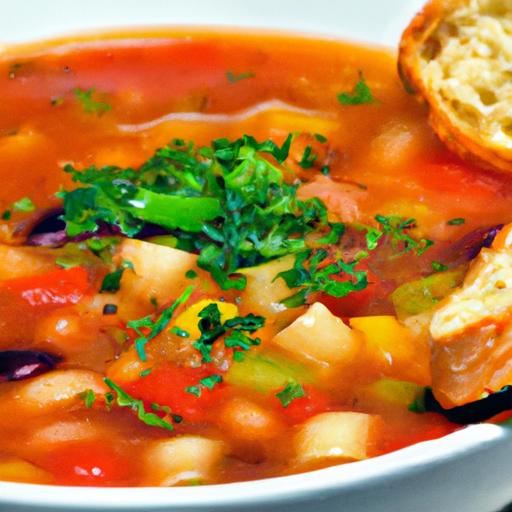


There’s a certain kind of magic simmering in every pot of minestrone-a vibrant harmony of garden-fresh vegetables, hearty beans, and tender pasta, all coming together to create Italy’s beloved soul-soothing soup. More than just a meal, minestrone tells a story of tradition and seasonal bounty, its colors and textures shifting with the rhythms of the land and the passing months. in this article, we’ll dive into the rich history, regional variations, and wholesome ingredients that make minestrone a timeless classic, inviting you to savor a truly colorful bowl of italy’s culinary heart.
Minestrone Magic: A Colorful Bowl of Italy’s Classic Soup
Minestrone Magic awakens the senses with a vibrant medley of fresh vegetables simmered to perfection in a fragrant, comforting broth. This iconic Italian soup has journeyed through centuries, originating from humble peasant kitchens where seasonal bounty was transformed into a hearty, soul-warming staple. What makes this dish timeless is its adaptability-each region and family adds their own touch, making every bowl uniquely delicious yet unmistakably Minestrone Magic.
Prep and Cook Time
Prep: 20 minutes | Cook: 45 minutes | Total: 1 hour 5 minutes
Yield
Serves 6 generous bowls
Difficulty Level
Medium – perfect for keen home cooks looking to blend tradition with creativity
Ingredients
- 2 tablespoons extra-virgin olive oil
- 1 medium yellow onion,finely chopped
- 2 cloves garlic,minced
- 2 medium carrots,diced
- 2 stalks celery,diced
- 1 small zucchini,diced
- 1 cup green beans,trimmed and cut into 1-inch pieces
- 1 medium potato,peeled and cubed
- 1 cup cannellini beans,cooked or canned,drained and rinsed
- 1 (14 oz) can diced tomatoes with juice
- 6 cups vegetable or chicken broth
- 1 cup small pasta (like ditalini or elbow macaroni)
- 1 teaspoon dried oregano
- 1 teaspoon dried basil
- Salt and freshly ground black pepper,to taste
- ½ cup fresh spinach or kale,chopped
- Freshly grated Parmesan cheese,for serving
- Fresh basil leaves for garnish (optional)
The Art of Balancing Fresh Seasonal Vegetables
When crafting Minestrone Magic,the key lies in the seasonal vegetable harmony. Early spring invites tender asparagus and peas, while summer enriches the pot with vibrant zucchini, fresh tomatoes, and green beans. Fall’s bounty stacks in earthy potatoes and kale, lending heartiness. Aim for a colorful palette-each vegetable brings its own texture and sweetness, layering complexity. Dice ingredients uniformly to ensure even cooking, allowing flavors to marry beautifully.
Secrets to Achieving the Perfect Broth Texture
Building the broth to the ideal balance is an art form. Begin with gently sautéing onions, garlic, and celery in olive oil until fragrant and translucent-this is the flavor foundation. Adding diced tomatoes imparts acidity and body, while slow simmering melds the character of vegetables and herbs. The broth should be rich yet light, never too thick or thin; use broth quality wisely or enrich with vegetable scraps simmered for homemade depth. Stirring occasionally prevents vegetables from settling, preserving a silky, inviting texture.
Creative twists to Elevate Your Classic Minestrone Magic
Ready to add a modern flourish? Try swapping conventional pasta for gluten-free or spiralized veggie noodles for a lighter feel. Adding a splash of aged balsamic vinegar brightens the soup right before serving. For an umami kick, stir in a spoonful of sun-dried tomato pesto or a drizzle of truffle oil. Crispy pancetta or a handful of toasted pine nuts provide delightful contrast. Don’t hesitate to experiment with herbs-fresh thyme, rosemary, or even mint can elevate the aroma spectacularly.
Instructions
- Heat the olive oil in a large heavy-bottomed pot over medium heat.
- Add the onion, garlic, carrots, and celery. Sauté until the onion becomes translucent and the vegetables soften, about 7 minutes. Stir occasionally to avoid browning.
- Stir in the diced tomatoes, oregano, and basil, cooking for another 3 minutes to develop flavors.
- Add potatoes, green beans, zucchini, and broth. Increase heat to bring the mixture to a gentle boil, then reduce heat to low and let it simmer uncovered for 30 minutes.This slow cooking extracts deep flavors.
- Add the beans and pasta. Cook for another 10 minutes or until pasta is al dente and vegetables are tender but not mushy.
- Stir in the fresh spinach or kale, cook for 2-3 more minutes until wilted.
- Season with salt and pepper to taste. for an extra layer, finish with a splash of good-quality olive oil or a pinch of chili flakes if you like heat.
- Ladle the Minestrone Magic into bowls, garnishing with freshly grated Parmesan and a basil leaf.
Chef’s Tips for success
- Beans: Use dried beans soaked overnight for a deeper flavor and firmer texture, or canned beans for convenience.
- Pasta: Add pasta just before serving to avoid sogginess. Alternatively, cook separately and add when plating.
- Make-ahead: Minestrone Magic tastes even better the next day-store in an airtight container and reheat gently.
- Broth: Homemade broth elevates the dish but quality store-bought broth works well; avoid overly salty versions.
- Vegetables: Add quick-cooking greens last to retain color and nutrients.
serving Suggestions
Present minestrone Magic with a rustic slice of crusty Italian bread or a warm focaccia to soak every drop of the luscious broth. Sprinkle freshly cracked black pepper and Parmesan generously on top, and add a light drizzle of extra-virgin olive oil to finish. For a bright counterpoint, a side of tangy lemon wedges or a crisp green salad dressed in balsamic vinegar creates balance. This soup shines brightest in a simple ceramic bowl where its colors vividly pop, inviting the first comforting spoonful.
| Nutrient | per Serving |
|---|---|
| Calories | 220 kcal |
| Protein | 8 g |
| Carbohydrates | 35 g |
| fat | 5 g |
Explore more classic Italian recipes here.
For further reading on Italian vegetable soups, visit Britannica’s Minestrone overview.

Q&A
Q&A: Minestrone Magic – A Colorful Bowl of Italy’s classic soup
Q1: What exactly is minestrone soup?
A1: Minestrone is Italy’s vibrant, vegetable-rich superstar-an ever-changing medley of fresh produce, beans, pasta or rice, simmered together to create a hearty, soul-warming soup. it’s not just a recipe, but a festivity of seasonal bounty and rustic Italian tradition.
Q2: Why is minestrone considered a “magic” soup?
A2: As no two bowls are ever the same! Minestrone’s magic lies in its versatility. You can toss in whatever vegetables you have on hand-zucchini, carrots, tomatoes, leafy greens-alongside fragrant herbs and a splash of olive oil. This adaptability transforms humble ingredients into a dazzling kaleidoscope of flavors and colors.
Q3: Where did minestrone originate?
A3: Minestrone has deep roots stretching back to ancient Roman times, evolving through centuries of Italian culinary culture. It embodies the “cucina povera” ethos-making mighty meals from modest means. Each Italian region adds its own twist, from Liguria’s pesto-infused versions to Tuscany’s bean-heavy traditions.
Q4: What makes minestrone a nutritious meal?
A4: Packed with vegetables, legumes, and sometimes whole grains, minestrone is a powerhouse of vitamins, fiber, and plant-based protein. It’s a balanced bowl that warms the body and fuels the mind, proving that wholesome eating can be both simple and sumptuous.Q5: How do you make the perfect minestrone?
A5: Start with a good olive oil base, sautéing garlic and onion until fragrant. Add your chosen veggies and cover with vegetable broth. Toss in beans for richness and pasta or rice near the end. simmer gently so flavors meld beautifully,finishing with a sprinkle of fresh herbs and a grating of Parmesan if you like.
Q6: Can minestrone be enjoyed year-round?
A6: Absolutely! Its ability to highlight whatever is fresh and local makes minestrone a year-round culinary chameleon. In summer, light and vibrant versions shine; in winter, heartier, root-vegetable-packed bowls warm the soul. It’s Italy’s eternal comfort in a bowl.Q7: what’s the best way to serve minestrone?
A7: Ladle it steaming hot into colorful bowls to showcase its vivid colors. Pair it with crusty bread or a drizzle of extra virgin olive oil. A sprinkle of Parmesan or a dash of chili flakes adds a final flourish. Every spoonful is a rustic journey straight to the heart of Italy.
In Conclusion
As the steam rises from a vibrant bowl of minestrone, weaving together Italy’s freshest vegetables, hearty beans, and fragrant herbs, we’re reminded that this soup is far more than a meal-it’s a celebration of tradition, seasonality, and simplicity. Each spoonful offers a little magic, a taste of Italy’s rich culinary heritage simmered into a colorful, comforting embrace. Whether enjoyed in a rustic trattoria or crafted lovingly at home, minestrone invites us to savor the art of wholesome cooking and the joy found in every nourishing bite.So next time you crave warmth and flavor in a single bowl, remember: minestrone is Italy’s edible rainbow, ready to enchant your palate and brighten your day.