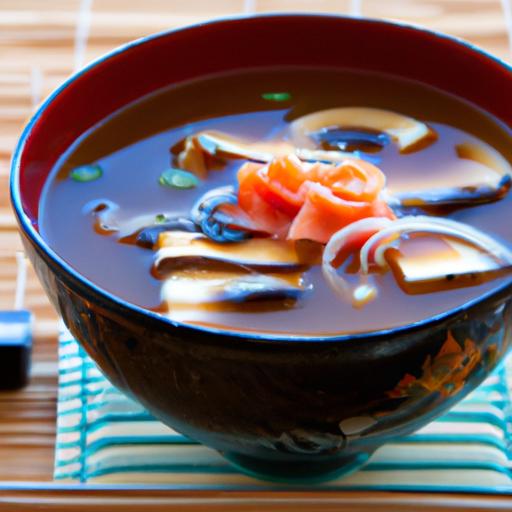
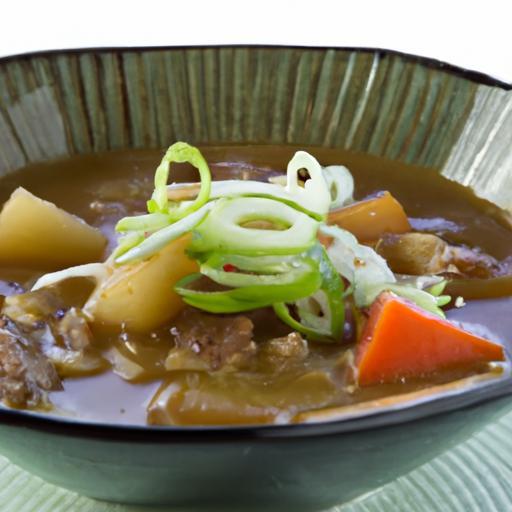

There’s a quiet magic simmering in the heart of Japanese cuisine-one that warms the soul with every spoonful and carries centuries of tradition in it’s gentle umami embrace. Miso soup, often tucked modestly at the side of a meal, is far more than just a simple broth. It’s a comforting ritual, a flavorful narrative, and a versatile canvas that reflects Japan’s rich culinary heritage. In this savory dive into Japan’s comfort bowl, we’ll unravel the artistry behind miso soup’s delicate balance of taste, explore its cultural meaning, and discover why this humble dish continues to enchant palates around the world. Welcome to the enchanting world of miso soup magic.
Miso Soup Magic: A Savory Dive into Japan’s Comfort Bowl
Miso Soup Magic instantly transports you to the heart of Japanese tradition, where this humble broth is more than just a dish-it is indeed a symbol of comfort, nourishment, and culinary heritage. From the fragrant steam rising off a bowl of silky broth to the delicate balance of flavors dancing on yoru palate, miso soup embodies the essence of umami and the spirit of home. Growing up with this Japanese classic, I recall my grandmother’s kitchen filled with warm aromas and rich memories-this is more than soup; it is a sensory journey that invites you to explore culture and craft with every spoonful.
Prep and Cook Time
- Prep Time: 10 minutes
- Cook Time: 15 minutes
- total Time: 25 minutes
Yield
Serves 4 generously
Difficulty Level
Easy to Medium – perfect for beginners yet exciting enough for seasoned cooks
Ingredients
- 4 cups dashi stock (kombu and bonito based for authenticity)
- 1/4 cup white miso paste (adjust according to preferred saltiness)
- 100g silken tofu, cut into 1/2-inch cubes
- 1/4 cup wakame seaweed, rehydrated
- 2 green onions, thinly sliced
- Optional: thinly sliced shiitake mushrooms or enoki mushrooms
instructions
- Prepare the Dashi Stock: In a medium pot, simmer 4 cups of water with kombu (dried kelp) for 10 minutes. Remove kombu just before boiling, add bonito flakes, and steep off heat for 5 minutes. Strain and return clear broth to pot.
- Rehydrate Wakame: Soak dried wakame in cold water for 5 minutes until it expands. Drain and set aside.
- Heat the Broth: Warm the dashi over medium heat. Avoid boiling to preserve delicate flavors.
- Incorporate Miso Paste: Place white miso paste in a small bowl. Ladle a cup of hot dashi into the bowl and whisk gently until smooth. Slowly stir the miso mixture back into the pot.
- Add Tofu and Wakame: Gently add tofu cubes and wakame to the pot. Heat until warmed through, about 2-3 minutes. do not boil to maintain the flavor integrity of the miso.
- Final touch: Add thinly sliced green onions (and mushrooms if using) just before serving for freshness and texture contrast.
Chef’s Notes & Tips for Success
- Choosing Your Miso: White miso is mild and sweet; try blending with red miso for a deeper, earthier note. Always taste before adding more to avoid overpowering the soup.
- Stock Variations: For a vegetarian-pleasant option, use kombu and shiitake mushroom dashi instead of bonito flakes.
- Tofu Texture: Silken tofu provides a silky mouthfeel; for more bite, try medium-firm tofu.
- Storage: Make the broth ahead and keep miso paste seperate. Miso loses flavor when boiled or stored too long after mixing.
- Umami Boost: A small splash of soy sauce or a sprinkle of toasted sesame seeds can elevate the depth without disrupting balance.
Creative Twists and Serving Suggestions for Every season
Celebrate the versatility of miso soup magic by exploring seasonal ingredients.In spring, add fresh peas and tender green shoots. Summer calls for chilled miso broth with cucumber ribbons and mint. Autumn embraces roasted pumpkin cubes or grilled mushrooms, while winter favorites include hearty root vegetables and a dash of chili oil for warmth.
Serve in rustic lacquer bowls with a side of steamed rice and pickled vegetables to complete an authentic Japanese meal experience. garnish with finely chopped shiso leaves or a sprinkle of toasted nori flakes for visual appeal and extra flavor complexity.

| Nutrient | Per Serving |
|---|---|
| Calories | 90 kcal |
| Protein | 6 g |
| Carbohydrates | 6 g |
| Fat | 3 g |
For an in-depth look at authentic Japanese broths, check out our comprehensive dashi guide. To deepen your knowledge on the science behind umami, the ScienceDirect journal on umami compounds offers excellent insights.
Q&A
Q&A: Miso Soup Magic – A Savory Dive into Japan’s Comfort Bowl
Q1: What exactly is miso soup, and why is it so beloved in Japanese cuisine?
A: Miso soup is a warm, savory broth made primarily from dashi (a clear stock) and miso paste, a fermented soybean concoction bursting with umami richness. It’s beloved not just for its comforting flavors but also for its deep cultural roots-this humble bowl is a daily ritual in Japanese homes, symbolizing nourishment, tradition, and a mindful connection to the ingredients.
Q2: What makes miso soup different from other soups around the world?
A: Unlike many Western soups that rely on heavy creams or tomato bases, miso soup celebrates simplicity and balance. Its magic lies in the fermentation of miso paste, which imparts a complex savory depth with subtle sweetness and saltiness. the interplay of silken tofu, seaweed, and green onions floating in the umami-rich broth creates a harmony of textures and flavors unique to Japanese taste.
Q3: Are there different types of miso used in the soup, and do they affect the flavor?
A: Absolutely! Miso comes in a rainbow of varieties-from pale, mild white miso (shiro) to robust, earthy red miso (aka), and even mixed blends. White miso offers a gentle sweetness, perfect for light broths, while red miso delivers a stronger, more pungent character. Each type transforms the soup’s personality, inviting you to experience miso soup in endless flavorful dimensions.
Q4: Can miso soup be considered healthy?
A: Yes! Beyond its delightful taste, miso soup is a nutritional powerhouse. thanks to its fermented nature,miso is rich in probiotics that support gut health. The seaweed adds iodine and minerals, tofu supplies protein, and the broth is typically low in calories. It’s a soul-warming, gut-friendly bowl that nourishes both body and spirit.Q5: How has miso soup evolved or inspired fusion cuisines outside Japan?
A: Miso soup’s charm has transcended borders, inspiring chefs worldwide to experiment with its core elements.From adding diverse vegetables and mushrooms to infusing rich stocks like chicken or beef broth, miso soup morphs beautifully into global comfort food.Contemporary twists may include spicy miso ramen broths or creamy coconut miso soups, blending tradition with innovation.
Q6: What’s the secret to making authentic miso soup at home?
A: The magic starts with quality ingredients-good dashi made from kombu (sea kelp) and bonito flakes creates a smoky umami base. Next, dissolving miso paste gently without boiling preserves its delicate flavors and probiotics. fresh add-ins like silken tofu, wakame seaweed, and scallions bring texture, color, and freshness, culminating in a bowl of pure comfort.
Q7: Why is miso soup considered more than just a dish in Japan?
A: In Japan, miso soup is woven into daily life and family traditions.It’s often the first dish prepared in the morning to warm the soul and the last one eaten at night to provide comfort. Beyond sustenance, it embodies mindfulness, respect for nature’s bounty, and the beauty of simple, thoughtful cooking-a delicious meditation in a bowl.
Wrapping Up
As the gentle steam rises from your bowl, carrying whispers of fermented soy and delicate seaweed, miso soup reveals itself not just as a dish but as a comforting ritual steeped in centuries of Japanese tradition. This savory elixir, humble yet profound, invites us to savor simplicity while honoring complexity-a warm embrace in liquid form. Whether sipped beside a bustling city street or enjoyed in quiet reflection, miso soup continues to weave its magic, reminding us that true comfort often lies in the most unassuming bowls. so next time you cradle that golden broth, remember: you’re partaking in a timeless story of nourishment, culture, and soulful connection.