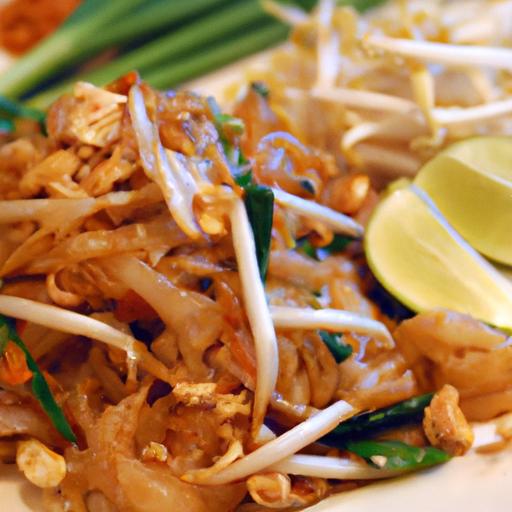
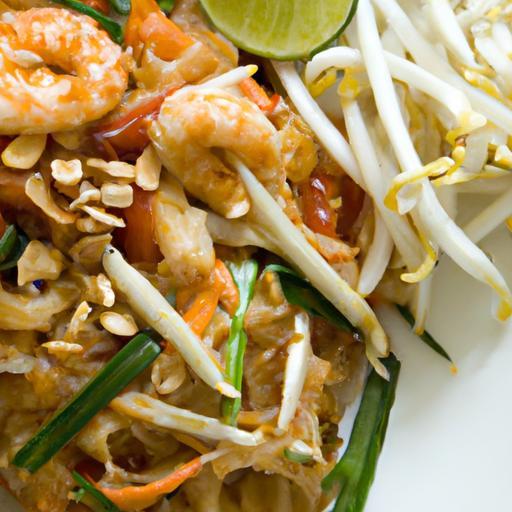

Nestled at the crossroads of history and culture, Pad Thai noodles tell a story far beyond their vibrant, savory surface. This beloved dish, with its harmonious blend of sweet, tangy, and salty flavors, serves as a appetizing ambassador of Thai cuisine’s rich heritage.From bustling street markets in Bangkok to elegant tables worldwide, pad Thai has captivated palates through its intricate layers of taste and tradition. Join us as we embark on a flavorful journey through the origins, ingredients, and cultural importance of Pad Thai noodles-a dish that encapsulates the heart and soul of Thailand in every bite.
Pad Thai noodles are a culinary icon that captures the vibrant spirit of Thailand’s street food culture. Originating in the mid-20th century as a patriotic campaign to promote Thai identity and nutrition, this dish transcends its humble origins with a harmonious balance of sweet, salty, sour, and umami flavors. As a seasoned Culinary Content Creator and Food Stylist, I find the allure of Pad Thai lies not just in its taste but in its artful assembly and the cultural stories woven into each ingredient and technique.
Origins and Cultural Significance of Pad Thai in Thailand
During the 1930s and 40s,Thailand (then Siam) experienced significant socioeconomic change. Prime Minister Plaek Phibunsongkhram encouraged citizens to embrace distinctly Thai customs and cuisine, promoting dishes that could symbolize national pride, such as Pad Thai. This stir-fried noodle dish combined rice noodles, protein, and indigenous flavors, becoming a practical yet delicious street food solution amid rice shortages and an evolving food landscape.
Pad Thai today represents more than a meal; it embodies Thailand’s ingenuity and cultural resilience,offering locals and visitors alike an authentic culinary experience. The dish showcases Thai balance in flavors-sweet palm sugar, luminous tamarind, pungent fish sauce, fresh lime, and roasted peanuts-an edible map of the country’s gastronomic identity.
Essential Ingredients That Define Authentic Pad Thai Flavors
- Rice noodles: Thin, flat, soaked to perfect softness and pliability
- Tamarind paste: The soul of Pad Thai’s signature tangy note
- Fish sauce: Adds savory umami and saltiness
- Palm sugar: Delivers a subtle, caramel-like sweetness
- Dried shrimp: Infuses an earthy depth, essential for authentic flavor
- shallots and garlic: Aromatics that build a fragrant base
- Eggs: Creates silky texture and richness
- Tofu and/or shrimp/chicken: Protein options for versatility
- Chives and bean sprouts: Fresh textural contrast and brightness
- Crushed roasted peanuts and lime wedges: Garnishes that elevate taste and presentation
Prep and Cook Time
Prep: 20 minutes | Cook: 10 minutes | Total: 30 minutes
Yield
Serves 4 hearty portions
Difficulty Level
Medium – Requires mindfulness with timing and ingredient prep, but rewarding for all skill levels
Step-by-Step Guide to Crafting the Perfect Pad Thai at Home
- Soak the rice noodles: Place 200g dried rice noodles in warm water for 20 minutes until pliable but not mushy. Drain and set aside.
- Prepare the sauce: Whisk together 3 tbsp tamarind paste, 2 tbsp fish sauce, 1 tbsp palm sugar (melted), and 1 tbsp water. Adjust sweetness or tartness to taste.
- Heat your wok: On medium-high,add 2 tbsp neutral oil (like peanut or vegetable). Sauté 2 minced garlic cloves and 2 thinly sliced shallots until fragrant, about 1 minute.
- Add protein: Toss in 100g diced tofu and/or 150g peeled shrimp, stir-frying until cooked through (shrimp pink and opaque or tofu golden), about 3-4 minutes.
- Cook the eggs: Push ingredients to one side of the wok. Crack in 2 eggs, scrambling gently to a soft scramble, then combine with the rest.
- Incorporate noodles and sauce: Add drained noodles and pour sauce over. Toss quickly and thoroughly, ensuring each strand is coated.
- Finish with aromatics and crunch: Stir in 50g bean sprouts and 3 chopped spring onions. Cook for another minute to retain freshness.
- Plate beautifully: Serve immediately with a generous sprinkle of crushed roasted peanuts, fresh lime wedges, and optional chili flakes.
Top Regional Variations and Recommended Serving Pairings
Thailand’s regional takes on Pad Thai are as diverse as its landscapes. In Bangkok, street vendors favor the classic balance, while in the Central Plains, recipes may include tamarind juice made fresh from tamarind pods.southern Thailand adds a spicy edge with bird’s eye chilies. Northern varieties might substitute proteins for locally available ingredients, like pork or mackerel.
For a truly immersive experience, serve your Pad Thai with customary Thai iced tea, mellowing the bold flavors. A side of crisp papaya salad (Som Tum) complements the noodles’ savory sweetness. Fresh herbs like cilantro or Thai basil add complexity, perfect for adventurous palates.
Chef’s Notes: Tips for Success
- Noodle texture: Avoid over-soaking rice noodles as they will continue cooking in the wok. Aim for tender but with a slight bite.
- Tamarind substitute: if fresh tamarind paste is unavailable, mix 1 tbsp lime juice with 1 tbsp brown sugar and a splash of vinegar for a fast fix.
- Protein variations: Use chicken, tofu, or a mix of seafood based on preference.Press tofu before cooking for better texture.
- Make ahead: prepare sauce and chop ingredients in advance for swift weeknight assembly.
- Heat management: Use a hot wok or skillet; this ensures a smoky “wok hei” flavor crucial to street-style Pad Thai.
Serving Suggestions
present Pad Thai on wide,shallow plates or rustic banana leaves for authenticity.Garnish with fresh lime wedges, a sprinkle of crushed roasted peanuts, and a handful of bean sprouts on the side to maintain crispness.A dusting of chili flakes or fresh sliced chilies offers customizable heat.Pair with a chilled Thai iced tea or a crisp lager for the full flavor celebration.

| Nutrient | Per Serving |
|---|---|
| Calories | 420 kcal |
| Protein | 22 g |
| Carbohydrates | 54 g |
| Fat | 12 g |
Looking to explore more Thai classics? check out our detailed guide on Thai Green Curry Recipes for another flavor-packed journey.For in-depth cultural background on Thai cuisine, the Encyclopedia Britannica’s Pad Thai entry offers a well-researched external perspective.
Q&A
Q&A: Pad Thai Noodles – A Flavorful Journey Through thai Cuisine
Q1: What makes Pad Thai noodles so iconic in Thai cuisine?
A1: Pad thai is much more than just a noodle dish; it’s a celebration of balance and harmony-elements central to Thai cooking. The combination of sweet, sour, salty, and umami flavors creates a complex tapestry that dances on your palate, making Pad Thai a beloved national dish that’s instantly recognizable worldwide.
Q2: Where did Pad Thai originate, and how did it become popular globally?
A2: Pad Thai’s roots trace back to the mid-20th century during a period of national pride in Thailand.it was promoted by the government to encourage a unified Thai identity and economical cooking. with its irresistible taste and simplicity, Pad Thai quickly captivated locals and tourists alike, eventually gracing menus from street stalls to haute cuisine restaurants around the globe.
Q3: What are the key ingredients that define authentic Pad Thai?
A3: Authentic Pad Thai harmonizes stir-fried rice noodles with tamarind paste, fish sauce, palm sugar, dried shrimp, eggs, tofu, and crunchy peanuts. Fresh lime and bean sprouts often finish the dish, adding brightness and texture. Each ingredient plays a crucial role, weaving together the vibrant layers of flavor the dish is known for.
Q4: Can Pad Thai be customized to suit different dietary preferences?
A4: Absolutely! Pad Thai is incredibly versatile. Vegetarians and vegans can skip the fish sauce and dried shrimp,substituting with soy sauce and mushrooms for umami depth. Protein choices vary from chicken and shrimp to tofu or even tempeh. The dish’s adaptability ensures everyone can savor its essence without missing a beat.
Q5: how is the cooking technique vital in preparing pad Thai?
A5: The magic of Pad Thai lies in the wok’s high heat and swift tosses. Cooking quickly preserves the noodles’ slightly chewy texture and prevents the ingredients from becoming soggy. The sizzling symphony of sounds and aromas during stir-fry is as crucial as the ingredients themselves, elevating the dish from ordinary to remarkable.
Q6: What cultural significance does pad Thai hold in Thailand?
A6: Beyond its deliciousness, Pad Thai symbolizes Thai ingenuity-turning humble, locally available ingredients into a dish with global allure. It reflects Thai values of balance, community (frequently enough enjoyed in lively street markets), and pride in culinary artistry. Eating Pad Thai is experiencing a piece of Thailand’s heart and history on a plate.
Q7: How can someone at home recreate authentic Pad Thai flavors?
A7: the secret is in sourcing fresh ingredients and mastering the balance of flavors-sweet tamarind, salty fish sauce, tangy lime, and toasted peanuts. Using a hot, heavy-bottomed pan or wok enables proper stir-frying. Don’t rush the process; layering flavors thoughtfully will coax out the dish’s true soul, turning your kitchen into a Thai street market.
Q8: What tips do seasoned chefs recommend for perfect Pad Thai noodles?
A8: Keep the noodles al dente by soaking them just right-too soft and the dish loses its structure. Use palm sugar for authentic sweetness, and don’t skimp on fresh lime juice at the end for that signature tang. embrace the chaos of the wok-quickly toss and flip to marry the ingredients without overcooking.
This Q&A invites readers to not only understand Pad Thai noodles but to embark on their own flavorful journey into Thai cuisine, appreciating the dish’s rich history, vibrant tastes, and cultural heartbeat.
Closing Remarks
As the enticing aroma of Pad Thai noodles lingers in the air, we’re reminded that this beloved dish is more than just a meal-it’s a vibrant chapter in the rich tapestry of Thai cuisine. Each tangy bite tells a story of heritage, balance, and culinary artistry, inviting food lovers everywhere to savor the harmony of flavors that define Thailand’s street food culture. Whether enjoyed at a bustling market stall or recreated in your own kitchen, Pad Thai remains a timeless journey for the senses-one that continues to inspire and delight across the globe. So next time you twirl those noodles, remember you’re partaking in a flavorful tradition that has captured hearts, palates, and imaginations far beyond its origins.