
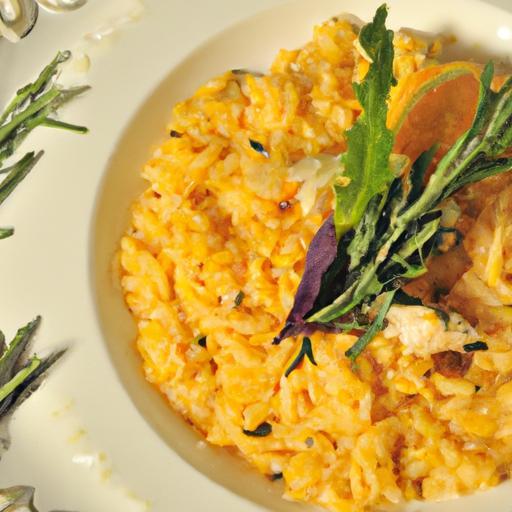

In the heart of Greek home kitchens,where tradition meets warmth,lies a humble dish that has enchanted generations: Manestra.This unassuming orzo-based comfort food is much more than just a simple meal-it is a culinary hug, a nostalgic journey, and a testament to Greece’s knack for turning modest ingredients into unforgettable experiences. Join us as we delve into the magic of Manestra, exploring its roots, unique flavors, and the cozy charm that has made it a beloved staple on Greek tables from the bustling city bistros to tranquil island homes. Whether you’re a seasoned foodie or a curious newcomer, discover how this small pasta weaves big stories of comfort, culture, and community in every spoonful.
Manestra Magic invites you into the heart of Greek comfort food-a beloved dish that harmonizes simple ingredients with rustic charm. Rooted deeply in the sun-drenched countryside kitchens of Greece, manestra is an orzo-based stew that has warmed generations during cool evenings and family gatherings.This cozy delight combines tender orzo pasta with tomato, a splash of olive oil, and often a kiss of creamy cheese, creating a soul-soothing harmony that epitomizes Mediterranean simplicity and flavor.
Origins and Traditions Behind Manestra in Greek Cuisine
Manestra traces its origins to rural Greece, where limited pantry staples blossomed into nourishing meals. The dish’s name itself derives from the Italian minestra, meaning “soup,” a nod to historical culinary exchanges during Venetian influences. Traditionally, manestra was a peasant meal, crafted during harvest seasons with locally available ingredients such as orzo, tomatoes, and fresh herbs. In many households, it would be served as a frist course or a light main, often accompanied by feta cheese or yogurt.
Passing down from one Greek family to another, each regional variation embraced unique twists-some using lamb broth for depth, others accentuating with lemon for brightness. Today, manestra remains a symbol of Greek hospitality and the Mediterranean way of embracing warmth and simplicity with every spoonful.
Prep and Cook Time
- Planning Time: 10 minutes
- Cooking Time: 30 minutes
- total Time: 40 minutes
Yield
serves 4 hearty portions
Difficulty Level
Easy – perfect for home cooks and those new to greek cuisine
Key Ingredients and Secrets to Authentic Flavor
- 1 cup orzo (manestra) pasta – the wheat kernel shape that defines this dish
- 3 tbsp extra virgin olive oil – Greek oil, fruity and fresh, for authentic richness
- 1 medium onion, finely chopped – adds sweetness and depth
- 2 cloves garlic, minced – for aromatic warmth
- 400g (14oz) crushed tomatoes – fresh or canned quality tomatoes provide vibrant base
- 3 cups vegetable or chicken broth – the soul of the stew, better homemade or good quality store-bought
- 1 tsp dried oregano - the herb that evokes the Greek landscape
- Salt and freshly ground black pepper – to taste
- Fresh parsley or dill, chopped (for garnish) – radiant, herby finish
- Optional: 100g feta cheese, crumbled - adds creamy salinity
- Optional: Juice of half a lemon – for a citrusy lift
Step-by-Step Guide to Perfecting Your Own Manestra
- Heat olive oil in a large sauté pan over medium heat. Add the finely chopped onion and sauté until translucent and fragrant, about 5 minutes.
- Add minced garlic and stir for 30 seconds, releasing its aroma without burning.
- Pour in the crushed tomatoes along with dried oregano, salt, and pepper. Let the mixture simmer gently for 8-10 minutes until thickened slightly.
- Add the orzo directly to the tomato sauce,stirring to coat each piece.
- Slowly pour in the warm broth, stirring to combine. Bring to a boil, then reduce heat to low. Cover and simmer gently for 15-18 minutes, stirring occasionally to prevent sticking, until the orzo is tender but not mushy.
- if the liquid evaporates too quickly before the pasta is cooked, add a splash more broth or water to maintain the creamy texture.
- Remove from heat and if desired,stir in fresh lemon juice for brightness.
- transfer to serving bowls, garnish generously with chopped fresh parsley or dill, and sprinkle crumbled feta cheese on top for added richness.
Chef’s Notes: Tips for Success
- For a richer version: Substitute half the broth with lamb or chicken stock to deepen flavor.
- Orzo texture matters: Use quality orzo pasta and rinse briefly before cooking to remove excess starch.
- Slow simmer: Keep the heat low to allow the orzo to absorb the flavors without breaking down too much.
- Make-ahead: Manestra tastes even better the next day; reheat gently with a splash of broth to loosen.
- Vegetarian or vegan versions: Use vegetable broth and omit feta or swap for a plant-based alternative.
Pairing Manestra with Classic Greek Sides and Wines
This hearty yet light stew flourishes beside Mediterranean staples.Complement your manestra experience with crunchy cucumber and tomato salad dressed in olive oil and lemon, or a side of tangy tzatziki to cool the palate.
For wine enthusiasts, a chilled glass of Assyrtiko from Santorini offers bright acidity that balances the tomato base, while a smooth Agiorgitiko pairs beautifully with richer, meatier versions of the dish. Savoring these flavors together evokes the authentic spirit of Greek conviviality.
Serving Suggestions
- Serve manestra steaming hot in wide, shallow bowls to showcase its velvety texture.
- Garnish with a sprinkle of fresh herbs and a drizzle of extra virgin olive oil to enhance the visual appeal and flavor complexity.
- A wedge of fresh lemon on the side invites diners to customize the tanginess to their liking.
- Pair with crusty, rustic bread to mop up the luscious sauce for a wholly satisfying meal.
| Nutrition (per serving) | Amount |
|---|---|
| Calories | 320 kcal |
| Protein | 8g |
| carbohydrates | 45g |
| Fat | 9g |

Explore more Mediterranean delights in our Greek Classics: Dips and Salads guide, and for a deeper dive into orzo pasta’s engaging role in global cuisines, visit Britannica’s Orzo Pasta overview.
Q&A
Q&A: Manestra Magic – Exploring Greece’s Cozy orzo Comfort Food
Q1: What exactly is manestra?
A1: Manestra is a beloved Greek comfort food featuring orzo pasta simmered slowly to create a creamy, comforting dish that warms both body and soul. Think of tiny, rice-shaped pasta swimming in a fragrant tomato sauce, often kissed by a hint of onion and herbs, making it the culinary equivalent of a cozy hug.
Q2: How did manestra earn its place in Greek kitchens?
A2: Manestra’s roots run deep in Greek home cooking, where simplicity and seasonality reign supreme. It was traditionally a humble,peasant dish,born from using pantry staples like orzo,olive oil,and tomatoes. Over generations, it evolved into a staple, cherished for its nourishing qualities and effortless preparation-perfect for feeding the family without fuss.
Q3: What makes orzo the star ingredient in manestra?
A3: Orzo’s petite, rice-like shape lends manestra its signature texture-soft yet with a tender bite. Its ability to absorb flavors from broth,tomatoes,and aromatics means every spoonful bursts with richness. Orzo transforms into a silky, almost risotto-like comfort food base that’s both familiar and delightfully unique.
Q4: Are there regional variations of manestra in Greece?
A4: Absolutely! While the classic tomato-based manestra is widespread, some regions add peas, carrots, or even a splash of lemon juice for brightness. In coastal areas, a dash of seafood broth may deepen the flavors. In the north, you’ll sometimes find manestra enriched with generous dollops of creamy feta-each variation a testament to greece’s vibrant culinary tapestry.
Q5: How is manestra typically served?
A5: Manestra is usually enjoyed as a main dish during lunch or dinner, often paired with crusty bread to soak up the luscious sauce. It’s a solo star or a humble side,sometimes accompanied by Greek salads or roasted vegetables,making it an effortlessly balanced meal. Serve it warm, fresh from the pot, and it’s guaranteed to feel like a soothing balm after a long day.
Q6: Can manestra be adapted for modern or dietary preferences?
A6: Certainly! It’s incredibly versatile-swap regular orzo for whole wheat or gluten-free versions for a healthier twist. Vegans can recreate manestra by omitting cheese and using olive oil-rich vegetable broth. Add roasted veggies or herbs like dill or oregano for extra complexity. The magic of manestra lies in its adaptability without losing its cozy, homey essence.
Q7: why should food lovers outside Greece try manestra?
A7: Manestra invites you into the heart of Greek comfort cuisine-a dish that’s simple yet soul-satisfying.In a world that often values complexity, manestra reminds us that beauty can be found in humble ingredients, slow cooking, and shared meals. For anyone craving warmth, nostalgia, and a taste of Mediterranean sunshine, manestra is a must-try delight!
to sum up
As the final spoonful of manestra warms the soul and lingers on the palate, it becomes clear that this humble orzo-based dish is more than just comfort food-it’s a taste of Greece’s enduring culinary spirit. Rooted in tradition yet endlessly adaptable, manestra invites us to slow down, savor simplicity, and celebrate the cozy magic found in every pot. Whether enjoyed in a bustling taverna or a quiet home kitchen,this hearty staple proves that sometimes,the most unassuming ingredients can create the most unforgettable meals.So next time you crave a nourishing embrace from your plate, let manestra’s tender grains and rich flavors transport you straight to the heart of Greece.