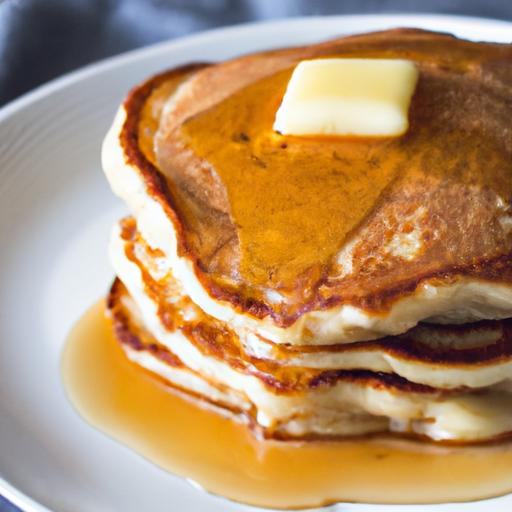
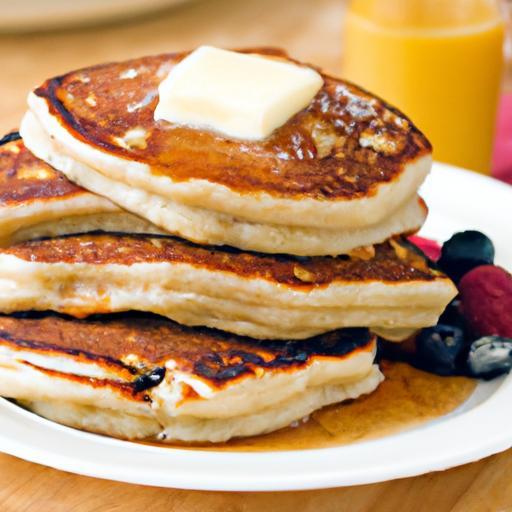

There’s something undeniably magical about the perfect pancake – a golden canvas of warmth and comfort that fluffs up with every tasty bite. But behind its simple charm lies a captivating blend of science and art, where chemistry and technique waltz together to create those airy, tender disks we love. In Fluffy Delights: The Science and Art of Perfect Pancakes, we’ll unravel the secrets hidden in the batter, explore the roles of ingredients and heat, and share tips that transform humble pancake-making into a truly elevated culinary craft. So, whether your a breakfast enthusiast or a curious kitchen experimenter, prepare to flip your viewpoint on pancakes forever.
Fluffy Delights begin with understanding the magic that happens at a molecular level inside your pancake batter. When you master the delicate balance of ingredients, mixing techniques, and temperature control, you unlock an irresistibly airy texture that elevates a simple breakfast into a culinary masterpiece. the journey to the perfect pancake is as much science as it is art, blending chemistry with intuition to achieve light, cloud-like layers that melt on your tongue.
Prep and Cook Time
- Prep Time: 10 minutes
- Cook Time: 15 minutes
- Total Time: 25 minutes
Yield
- Serves 4 (approximately 8 pancakes)
Difficulty Level
- Easy to Medium
Ingredients
- 1 cup all-purpose flour, sifted for aeration
- 2 tablespoons granulated sugar
- 1 teaspoon baking powder (fresh, to ensure lift)
- 1/2 teaspoon baking soda
- 1/4 teaspoon fine sea salt
- 1 cup buttermilk, at room temperature
- 1 large egg, lightly beaten
- 2 tablespoons unsalted butter, melted and cooled
- 1 teaspoon pure vanilla extract (optional, for flavor depth)
Instructions
- Combine dry ingredients. In a large mixing bowl, sift together the flour, sugar, baking powder, baking soda, and salt. Sifting incorporates air, laying the groundwork for fluffiness.
- Whisk wet ingredients separately. In a separate bowl, gently beat the egg, then mix in the buttermilk, melted butter, and vanilla extract. Using room temperature buttermilk prevents shocking the batter and encourages optimal rise.
- Gently fold wet into dry. Pour the wet mixture into the dry ingredients and gently fold with a spatula. Avoid overmixing; small lumps are perfect. Overworking will develop gluten, resulting in denser pancakes.
- Rest the batter briefly. Let the batter sit for 5 minutes; this allows the baking powder and soda to activate fully and the gluten to relax for an even, airy texture.
- Preheat your griddle or pan. Heat a non-stick pan over medium heat. Test readiness by sprinkling a few drops of water-if they dance, you’re set.
- Cook the pancakes. Using a 1/4 cup measure, pour batter onto the pan. Cook untill bubbles form and edges look set, about 2-3 minutes. Flip carefully and cook another 1-2 minutes until golden, airy, and springy to the touch.
- Keep warm and serve. Place cooked pancakes on a warm plate or in a low oven while finishing the batch to keep them soft and fresh.
Tips for Success: Enhancing your Fluffy Delights
- Ingredient Temperatures Matter: Ensure eggs and buttermilk are at room temperature to help create a smooth batter that traps air effectively.
- Don’t Skip Sifting: Sifting the flour and leavening agents distributes them evenly and incorporates precious air bubbles vital for rise.
- Master the Mix: Use a spatula with gentle folding motions. Stop mixing when dry streaks disappear, leaving some small lumps for fluffiness.
- Temperature Control: Too hot and your pancakes burn outside but stay raw inside; too cool and they turn dense. Medium heat gives the perfect golden hue and tender crumb.
- Buttermilk Boost: The acidity in buttermilk reacts with baking soda to create extra lift and tenderness-no substitute yields the same magic.
- Make-Ahead Tip: For busy mornings, prepare the dry mix in advance.When ready, whisk wet ingredients in and combine – fresh results fast!
Serving Suggestions
Bring your fluffy delights to life with vibrant toppings and thoughtful presentation.Dollop a spoonful of whipped cream, scatter fresh berries like blueberries or strawberries, and drizzle real maple syrup over the stack. For an indulgent twist, add toasted nuts or a dusting of cinnamon sugar. Plate on rustic ceramic dishes for a farmhouse vibe or sleek white plates for a modern brunch charm.A sprig of fresh mint or a light dusting of powdered sugar adds an elegant finishing touch, turning everyday pancakes into an unforgettable treat.
| Nutritional Information (Per serving) | Amount |
|---|---|
| Calories | 210 kcal |
| Protein | 6 g |
| Carbohydrates | 28 g |
| Fat | 7 g |
Discover more pancake recipes for your next breakfast adventure. For a deeper dive into the chemistry behind baking powders, check out sciencedaily’s explanation of leavening agents.

Q&A
Q&A: Fluffy Delights – The Science and Art of Perfect Pancakes
Q1: What makes a pancake truly “fluffy”?
A: At the heart of every fluffy pancake is trapped air – those tiny bubbles that puff up when heat meets batter. The magic unfolds as baking powder or baking soda reacts, releasing carbon dioxide. This gas inflates the batter, creating a light and airy texture. The trick? Gentle mixing to keep those air pockets intact and a batter that’s neither too thick nor too runny.
Q2: Why is the balance of ingredients crucial in pancake batter?
A: Think of pancake batter like a symphony. Flour provides structure, eggs bind, milk adds moisture, and leavening agents bring lift. Too much flour can stiffen the mix and weigh down fluffiness. Too little? The pancake turns fragile and flat. Sugar adds sweetness and caramelizes for that golden crust. Each element dances together, creating a perfect harmony of taste and texture.
Q3: How does the temperature of the griddle affect pancake perfection?
A: Temperature is the unsung hero. A griddle that’s too hot sears the outside before the inside cooks, leading to a burnt crust and raw center. Too cool, and pancakes become pale and dense.Aim for medium heat-around 375°F (190°C)-where the batter bubbles gently, edges firm, and golden color blooms evenly.Q4: Can the order and method of mixing ingredients influence fluffiness?
A: Absolutely! Overworking the batter develops gluten,making pancakes tough instead of tender. The best approach is to whisk wet ingredients separately, fold in the dry gently, and leave some small lumps – they disappear during cooking. This brief, gentle mixing preserves air and keeps pancakes cloud-like.
Q5: What role do eggs play beyond binding in pancakes?
A: Eggs are multi-talented! Beyond binding, they trap air when beaten, contributing to lift. The proteins also set during cooking, offering structure while retaining moisture. And don’t forget the yolks – rich in fat, they bring flavor and tenderness to every bite.
Q6: How can one experiment creatively without sacrificing the classic pancake texture?
A: Start with a tried-and-true base, then play! Swap a portion of flour for whole wheat or oat for nuttiness; fold in mashed bananas or pumpkin puree for moisture and subtle sweetness.Add spices like cinnamon or nutmeg for warmth, or swap buttermilk with yogurt for tang. Just remember to tweak ratios to maintain batter balance – science and art hand in hand.
Q7: Is there a secret to flipping pancakes perfectly?
A: timing is everything. Flip when bubbles form and pop on the surface, and the edges look set but not dry. Use a wide, thin spatula to slide gently under the pancake and flip with a confident wrist flick. A prosperous flip keeps the pancake whole and fluffy, ready for its golden second side.
Q8: Why do some pancakes end up dense despite following the recipe?
A: Several sneaky culprits might potentially be at play: overmixing the batter, expired or insufficient leavening agents, or batter resting too long causing the gas bubbles to escape.Also,pouring batter onto a griddle that’s too cool can prevent proper rise. Patience and precision bring out that coveted fluffiness.
Q9: Can pancakes be made ahead without losing their signature texture?
A: Yes! Keep cooked pancakes warm in a low oven on a wire rack to maintain airiness. For make-ahead batter, stir in leavening just before cooking. Reheating gently in a pan or toaster helps revive their softness and golden charm. Avoid microwaving directly, which can lead to rubbery results.
Q10: what’s the final tip for pancake perfection that combines both science and art?
A: Treat pancake making as both experiment and ritual. Respect your ingredients’ chemistry, yet embrace the sensory cues – the batter’s feel, the sizzle of the griddle, the aroma wafting up.With practice,you’ll know when the pancake is ready to flip and when it’s flawless on the plate. Fluffy delights aren’t accidental; they’re crafted with knowledge,intuition,and love.
Final Thoughts
As the last golden pancake melts on your tongue, you realize that crafting the perfect stack is both an art and a science-a delicate dance between ingredients, technique, and a dash of patience. Whether you’re whisking batter at dawn or flipping fluffy delights for a cozy brunch, understanding the chemistry behind those airy layers elevates each bite from simple comfort food to a culinary triumph. So next time you gather around the griddle, remember: every pancake tells a story of carefully balanced reactions and timeless tradition, inviting you to savor not just the flavors, but the magic behind the mastery.