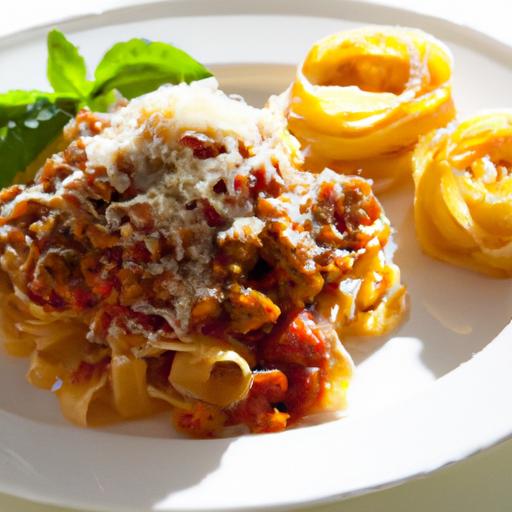
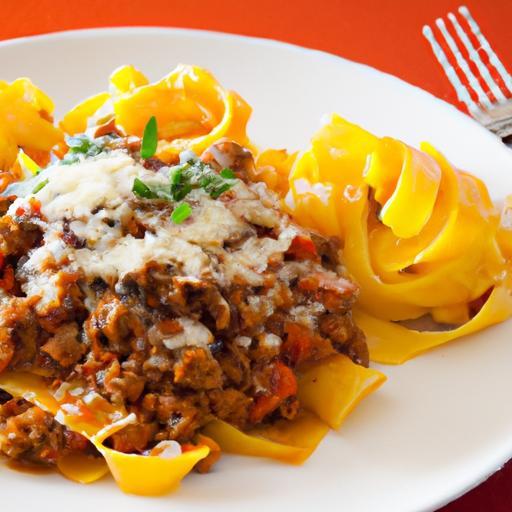

In the rich tapestry of Italian cuisine, few dishes evoke the comforting warmth of home quite like Bolognese. Traditionally known as a hearty meat sauce served over broad pasta, this beloved classic has long been a staple of northern Italy’s gastronomic heritage.Yet,as culinary borders blur adn palates evolve,Fettuccine bolognese emerges as a delightful reinvention-bringing a fresh twist to a timeless favorite. This article dives into the art of reshaping tradition, exploring how the marriage of tender fettuccine and robust Bolognese sauce creates a dish that honors its roots while inviting new flavor adventures to the table. Join us as we unravel the story behind this classic Italian pasta reinvented.
Fettuccine Bolognese is a celebration of Italy’s culinary heritage, blending the rich, slow-simmered flavors of Emilia-Romagna with the silky embrace of fresh pasta. Originating in the city of Bologna, this customary meat sauce evolved from humble beginnings into a worldwide icon, beloved for its complex layering of tender minced meats, aromatic vegetables, and delicate wine reduction. Over time, fettuccine emerged as the perfect pairing-its broad, ribbon-like strands capturing every luscious bit of sauce in every bite. Today, we elevate this classic dish with fresh ingredients and modern techniques that honor tradition yet push the boundaries of flavor and texture.
Prep and cook Time
- Planning: 20 minutes
- Cooking: 2 hours
- Total Time: 2 hours 20 minutes
yield
Serves 4 generous portions
difficulty Level
Medium – suitable for home cooks ready to slow-simmer and layer flavors
Ingredients
- 2 tablespoons extra virgin olive oil
- 50g (3.5 tbsp) unsalted butter
- 1 medium onion, finely diced
- 1 small carrot, finely diced
- 1 celery stalk, finely diced
- 150g (5 oz) pancetta or guanciale, chopped
- 400g (14 oz) ground beef (preferably 80% lean)
- 150g (5 oz) ground pork
- 120ml (½ cup) whole milk
- 120ml (½ cup) dry white wine
- 400g (14 oz) canned San Marzano tomatoes, crushed by hand
- 2 tablespoons tomato paste
- Salt and freshly ground black pepper, to taste
- Freshly grated Parmigiano-Reggiano, for serving
- 350g (12 oz) fresh fettuccine pasta
Instructions
- Heat the olive oil and butter in a heavy-bottomed sauté pan over medium heat. Add the finely diced onion, carrot, and celery. Sauté until golden and fragrant,about 7-8 minutes,stirring occasionally.
- Add the pancetta and cook for 3 minutes until its fat renders and it becomes slightly crispy.
- Increase heat to medium-high and add the ground beef and pork. Break the meat apart with the back of your spoon and sauté until browned but not fully cooked through, about 6 minutes.
- Pour in the milk and simmer gently until it mostly evaporates, around 10 minutes. This tenderizes the meat and rounds the flavor.
- Deglaze the pan with white wine, stirring to lift all the caramelized bits off the bottom. Let the wine reduce by half, about 5 minutes.
- Stir in the crushed tomatoes and tomato paste, season generously with salt and pepper, and bring to a gentle simmer.
- Reduce the heat to low and let the sauce cook slowly, uncovered, stirring every 15 minutes for approximately 1.5 to 2 hours. The sauce should thicken, intensifying in flavor and developing a velvety texture.
- About 10 minutes before the sauce is done, bring a large pot of salted water to a boil. Cook fresh fettuccine according to package instructions-usually less than 3 minutes-until al dente.
- Drain the pasta scoring a cup of the pasta water. Toss the fettuccine instantly into the Bolognese sauce, adding reserved pasta water little by little to achieve a perfectly coated, luscious finish.
- Serve immediately with a generous shower of Parmigiano-Reggiano, a drizzle of extra virgin olive oil, and freshly cracked black pepper.
Tips for Success: Crafting the Rich and Savory Sauce
- use a mix of meats: Combining beef and pork provides depth without overpowering richness.
- Don’t rush the slow cook: The sauce develops character only with gentle simmering-resist turning up the heat.
- Milk is essential: It softens the acidity of tomatoes and tenderizes meat for that melt-in-mouth quality.
- Use Fresno or San Marzano tomatoes: Their natural sweetness and balance enhance authenticity.
- Make it ahead: Bolognese tastes even better the next day once flavors marry. Gently reheat with a splash of milk or broth.
Serving Suggestions and Wine Pairings
The creamy, ribbon-like fettuccine beautifully complements the hearty sauce’s texture-a perfect platform for both rustic and refined plating. Garnish with fresh basil leaves or a sprig of thyme for visual and aromatic contrast. A crisp side salad of arugula with lemon vinaigrette refreshes the palate.
When it comes to wine, opt for medium-bodied reds with bright acidity to cut through the sauce’s richness. A classic Italian Barbera or a Nebbiolo-based langhe Rosso elevate the dish beautifully. For white wine lovers,a chilled Verdicchio offers a lively citrus counterpoint that cleanses the palate.
| Nutrient | Per Serving |
|---|---|
| Calories | 620 kcal |
| Protein | 38 g |
| Carbohydrates | 65 g |
| Fat | 22 g |
Master fresh pasta with our classic dough recipe to pair perfectly with your next homemade sauce.

Q&A
Q&A: Fettuccine Bolognese – A Classic Italian Pasta Reinvented
Q1: What exactly is Fettuccine Bolognese?
A1: Fettuccine Bolognese is a delightful twist on the traditional Italian dish originating from Bologna. instead of the usual tagliatelle paired with rich ragù,this reinvention uses luscious fettuccine noodles,offering a slightly thicker,ribbon-like canvas that beautifully cradles the hearty meat sauce. It’s a fresh take that retains the soul of Bolognese while adding a new texture experience.
Q2: How does Fettuccine change the traditional Bolognese experience?
A2: Traditionally, tagliatelle’s thin yet broad strands where preferred to catch the ragù’s meaty goodness. Fettuccine,being a bit wider and sturdier,embraces every morsel with a gentle heft. This subtle shift elevates the dish’s mouthfeel, allowing the sauce’s richness to linger longer.It’s like giving a classic a modern upgrade that plays with texture but honors authenticity.
Q3: Is the sauce different in this reinvention?
A3: While the core of a true Bolognese-slow-cooked ground meat, soffritto, tomatoes, and wine-remains unchanged, chefs experimenting with fettuccine frequently enough enhance the sauce’s creaminess or introduce subtle herbs like sage or rosemary for an aromatic edge. Some versions even fold in a splash of cream at the end, creating a velvety harmony that complements the pasta’s robust bite.
Q4: Can I make Fettuccine Bolognese at home easily?
A4: Absolutely! The foundation is a traditional Bolognese recipe, which you can prepare ahead for deep flavor. Fresh or dried fettuccine noodles cook quickly and pair wonderfully once drained. The key is patience with the ragù-slow simmering unlocks its magic. A sprinkle of freshly grated Parmigiano-Reggiano and perhaps a drizzle of good olive oil finishes the plate with finesse.
Q5: What wine pairs best with fettuccine Bolognese?
A5: A vibrant red wine with balanced acidity cuts through the richness beautifully. Classic choices like a Sangiovese from Tuscany or a Barbera from Piedmont mirror the dish’s savory depth. For those wanting a more modern pairing, a medium-bodied Merlot or even a smoky Syrah can add an exciting contrast that refreshes the palate.
Q6: Why reinvent a classic like Bolognese?
A6: Italian cuisine thrives on tradition, but it also embraces evolution. Reinventing classics like Bolognese keeps the cuisine dynamic and accessible. using fettuccine bridges the old with the new,inviting home cooks and food lovers to experience a beloved dish through a slightly different lens-proving even the most time-honored recipes can surprise and delight.
Q7: Any tips to perfect this dish?
A7: Slow is the secret. Let the Bolognese sauce simmer patiently to meld flavors and tenderize meat. Don’t overcook your fettuccine; aim for al dente to hold up under the sauce’s lushness. layering flavors with fresh herbs, quality tomatoes, and authentic cheeses makes all the difference-because in Italian cooking, love is always the final ingredient.
Final Thoughts
Whether you’re a seasoned chef or a curious foodie, reinventing the classic Fettuccine Bolognese invites you to explore the rich tapestry of Italian cuisine with a fresh viewpoint. This beloved dish, steeped in tradition yet open to innovation, reminds us that culinary classics are more than recipes-they’re stories, evolving with every twist of the fork. So next time you savor those tender ribbons of pasta drenched in hearty, savory sauce, remember: you’re not just enjoying a meal, you’re partaking in a delicious journey through time and taste. Buon appetito!