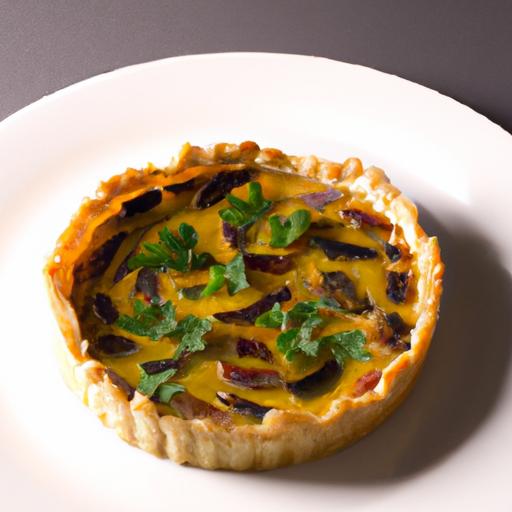
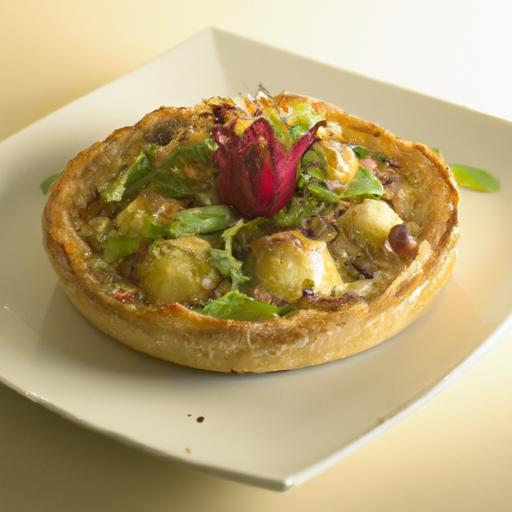

ThereS a certain magic in the way a perfectly baked tart crust crumbles delicately with each bite, offering just the right balance of buttery richness and tender flakiness. At the heart of this culinary enchantment lies pâte sablée-often hailed as the golden key to achieving that flawless, melt-in-your-mouth tart base. But mastering pâte sablée is more than just following a recipe; it’s an artful dance of technique, temperature, and patience. in this article, we’ll unravel the secrets behind pâte sablée, guiding you step-by-step to create a crust so exquisite it elevates every filling it embraces. prepare to transform your baking repertoire as we unveil the science and soul of the perfect tart crust.
Mastering Pâte Sablée unlocks the secret to creating tart crusts that are irresistibly tender, crisp, and melt-in-your-mouth delightful. This classic French pastry dough stands apart for its crumbly,buttery texture-frequently enough described as “sandy” or “short” (so the name). Its delicate balance of ingredients and meticulous techniques transform simple pantry staples into a flawless base that elevates every dessert it cradles.
Prep and Cook time
- Readiness Time: 25 minutes
- Chill Time: 1 hour (minimum)
- Baking Time: 20-25 minutes
Yield
One 9-inch tart shell, perfect for serving 8 people.
difficulty Level
Medium – requires attention to temperature and technique, but fully achievable for dedicated home bakers.
Ingredients
- 1 ¼ cups (150g) all-purpose flour, sifted
- ¼ cup (30g) almond flour (optional, for extra richness and texture)
- ½ cup (115g) unsalted butter, cold and cubed
- ⅓ cup (40g) powdered sugar, sifted
- 1 large egg yolk
- 1 tbsp cold water (if needed)
- Pinch of fine sea salt
Instructions
- Combine the dry ingredients: In a large bowl, whisk together sifted all-purpose flour, almond flour (if using), powdered sugar, and salt. This ensures an even distribution of sugar and prevents clumps in your dough.
- Cut in the butter: Add the cold, cubed butter to the flour mixture. Using a pastry cutter or your fingertips, gently rub the butter into the flour until it resembles coarse breadcrumbs with pea-sized pieces scattered throughout. Avoid overworking to keep the dough tender.
- Incorporate the yolk: Lightly beat the egg yolk in a small bowl. Pour into the flour and butter mixture. Quickly bring the dough together, pressing gently with your hands. If the dough feels too dry, add the cold water sparingly, 1 teaspoon at a time. The dough should form a cohesive ball but not be sticky.
- Shape and chill: Flatten the dough into a thick disc, wrap in plastic wrap, and refrigerate for at least 1 hour. This chill time is crucial for relaxing gluten, allowing the butter to firm up, and intensifying flavor.
- Roll and transfer: Lightly flour your work surface and rolling pin. Roll the dough evenly into a 12-inch circle, about ¼ inch thick. Carefully transfer to a 9-inch tart pan with a removable bottom. Press the dough gently into the edges and trim any excess.
- Dock and chill again: Using a fork,prick the base all over to prevent air bubbles when baking. Chill the tart shell in the refrigerator for 30 minutes-this prevents shrinking during baking.
- Blind bake: Preheat your oven to 350°F (175°C). Line the shell with parchment paper or foil and fill with pie weights or dried beans.Bake for 15 minutes, then remove the weights and parchment and bake for another 8-10 minutes until golden and crisp.
- Cool before filling: Allow the crust to cool completely on a wire rack before adding any filling or frosting. This maintains its crispness and prevents sogginess.
Tips for Success
- Keep everything cold: From butter to water, cold ingredients are your best ally. They create flaky layers by preventing premature gluten advancement and butter melting.
- Don’t overwork the dough: Mix just enough to bring ingredients together.Over-kneading activates gluten, resulting in a tougher crust rather than a tender, crumbly one.
- use almond flour sparingly: It adds a subtle nutty aroma and softness,but too much can hinder crispness.
- Chill multiple times: Patience is key! Chilling after shaping solidifies the butter, helping the crust keep its shape and texture during baking.
- Blind baking is essential: It locks in crispiness-don’t skip using pie weights to avoid puffing.
- Make ahead: Tart shells freeze beautifully wrapped in foil for up to 1 month, ready to fill when needed.
Serving Suggestions
Once perfected, this pâte sablée crust provides a stunning foundation for a variety of fillings. For an elegant dessert, fill with:
- Fresh seasonal fruits glazed lightly with apricot jam
- Rich vanilla pastry cream topped with vibrant berries
- Decadent chocolate ganache with a sprinkle of toasted nuts
- Lemon curd topped with a cloud of whipped cream and candied zest
Garnish with edible flowers or a dusting of powdered sugar for added visual appeal and a light, fragrant finish. serve chilled or at room temperature alongside a cup of tea or dessert wine for a truly memorable experience.
essential Ingredient Conversions
| Ingredient | US Volume | Metric weight |
|---|---|---|
| All-purpose flour | 1 ¼ cups | 150 grams |
| Almond flour | ¼ cup | 30 grams |
| unsalted butter | ½ cup (1 stick) | 115 grams |
| Powdered sugar | ⅓ cup | 40 grams |
Explore othre classic French pastries to complement your pâte sablée skills. For a deeper understanding of the chemistry behind butter and flour interactions, visit Cook’s Illustrated: How to Make Flaky Pie Crust.

Q&A
Q&A: Mastering Pâte Sablée - The Perfect Tart Crust Unveiled
Q1: What exactly is pâte sablée,and how does it differ from other tart doughs?
A1: Pâte sablée,french for “sandy dough,” is a rich,crumbly tart crust renowned for its delicate,melt-in-the-mouth texture. Unlike pâte brisée, which is more pliable and flaky, pâte sablée incorporates more butter and sugar, creating a tender, cookie-like base that’s both sweet and buttery-perfect for elegant fruit tarts and refined desserts.
Q2: Why is mastering pâte sablée considered essential for pastry lovers?
A2: Because the crust is the foundation of many tarts and galettes,its texture and flavor can elevate or overshadow the filling. Mastering pâte sablée means you control the balance of crumbly tenderness and structural integrity, ensuring every bite is a harmonious experience-from buttery crisp edges to crumbly but supportive bottoms.Q3: What’s the secret to achieving that signature sandy, crumbly texture?
A3: The magic lies in the butter. Using cold, high-quality butter cut into the flour until the mixture resembles coarse breadcrumbs evens out the fat distribution without activating gluten. Minimal handling keeps the dough tender,while the sugar not only sweetens but helps with that slightly grainy sensation reminiscent of fine sand.
Q4: Can you share some tips for rolling out pâte sablée without it cracking or sticking?
A4: Great question! As pâte sablée is delicate and crumbly, roll it out between two sheets of parchment paper or plastic wrap to prevent sticking. Chill the dough beforehand to firm up the butter, which reduces cracking. If cracks appear,simply press the dough back together gently with your fingers-perfection lies in patience,not pressure.
Q5: Is it better to blind bake pâte sablée, and if so, why?
A5: Absolutely. Blind baking-pre-baking the crust before adding filling-prevents sogginess and ensures a crisp, golden shell. As pâte sablée is sweet and crumbly, it benefits from gentle baking with pie weights or dried beans to keep its shape and develop that buttery crunch essential to its character.
Q6: How do variations like almond flour or different sugars affect the pâte sablée?
A6: Almond flour introduces a nutty warmth and tender crumb, adding complexity and a pleasantly moist texture. Switching refined sugar to powdered sugar yields a silkier dough with a finer crumb, while brown sugar infuses caramel notes and deeper color. Feel free to experiment-each tweak paints a new flavor portrait.
Q7: How long can pâte sablée dough be stored before baking?
A7: Pâte sablée can rest in the fridge for up to 48 hours,allowing flavors to meld and the dough to firm. It can also be frozen for up to a month-just thaw it slowly in the fridge overnight before use.Resting time is a silent ally in perfecting its texture!
Q8: What are some classic and creative fillings that pair beautifully with pâte sablée?
A8: Classic pairings include seasonal berries, lemon curd, and silky custards, which contrast wonderfully against the buttery crust.Creative twists like chocolate ganache with sea salt,spiced pear compote,or even savory roasted vegetables for a sweet-savory spin can also shine atop a pâte sablée base-proving its versatility beyond sweet indulgence.
Q9: Any final words of wisdom for those embarking on their pâte sablée journey?
A9: Embrace the dough’s delicate personality. Keep the butter cold, handle the mixture gently, and remember that chilling is your best friend. With every trial, you’ll unlock new nuances and a deeper understanding of this “sandy” masterpiece. Soon enough, you’ll be crafting tarts that whisper buttery secrets with every bite. Bon appétit!
To Conclude
As you embark on your journey to master pâte sablée, remember that this delicate, buttery crust is more than just a foundation-it’s the soul of every perfect tart. With each fold, chill, and roll, you’re not just crafting dough; you’re weaving texture and flavor into a symphony of crispness and melt-in-your-mouth richness. Embrace the nuances, experiment with techniques, and soon, the elusive perfect tart crust will no longer be a mystery but your signature creation. Here’s to turning simple ingredients into timeless pastries that delight both eyes and palate-one golden, crumbly bite at a time.